
Last updated November 5, 2026
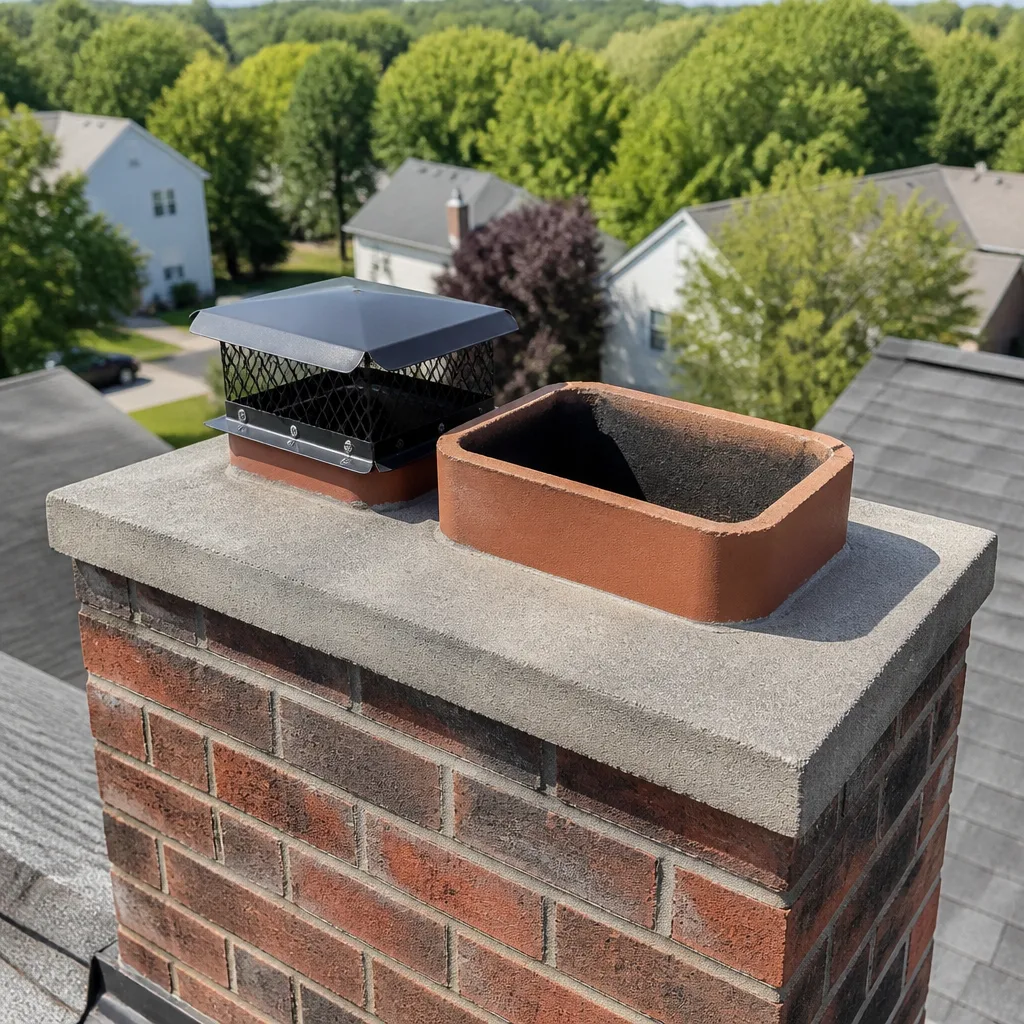 Sweep & inspection
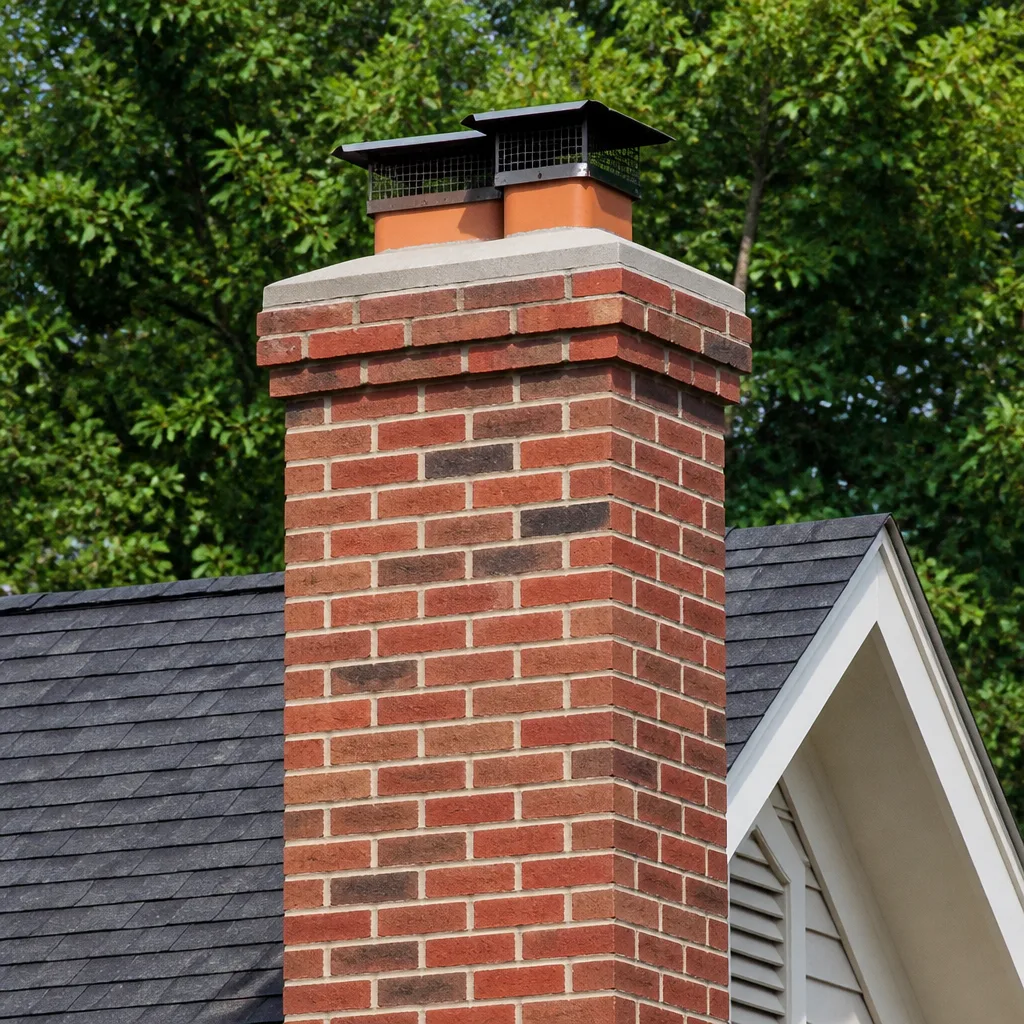 Caps & crowns
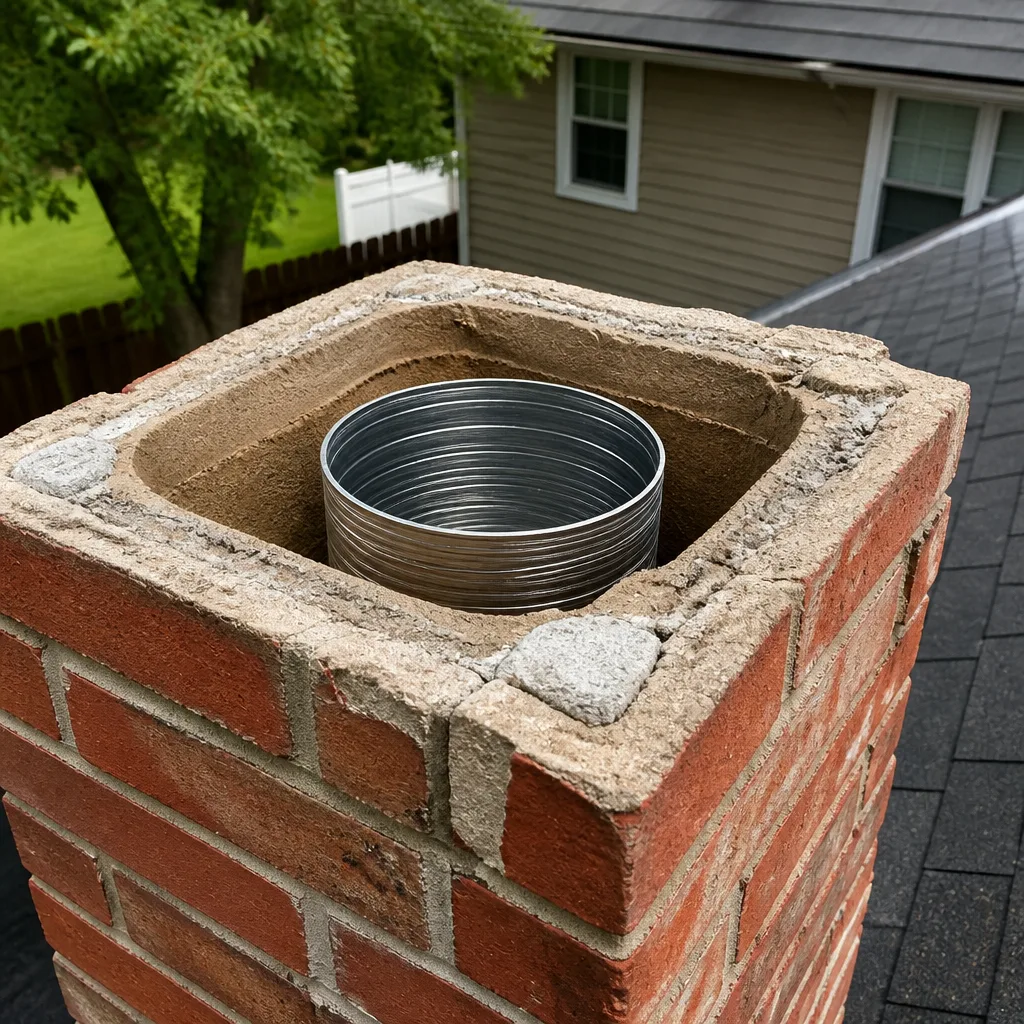 Flue relining
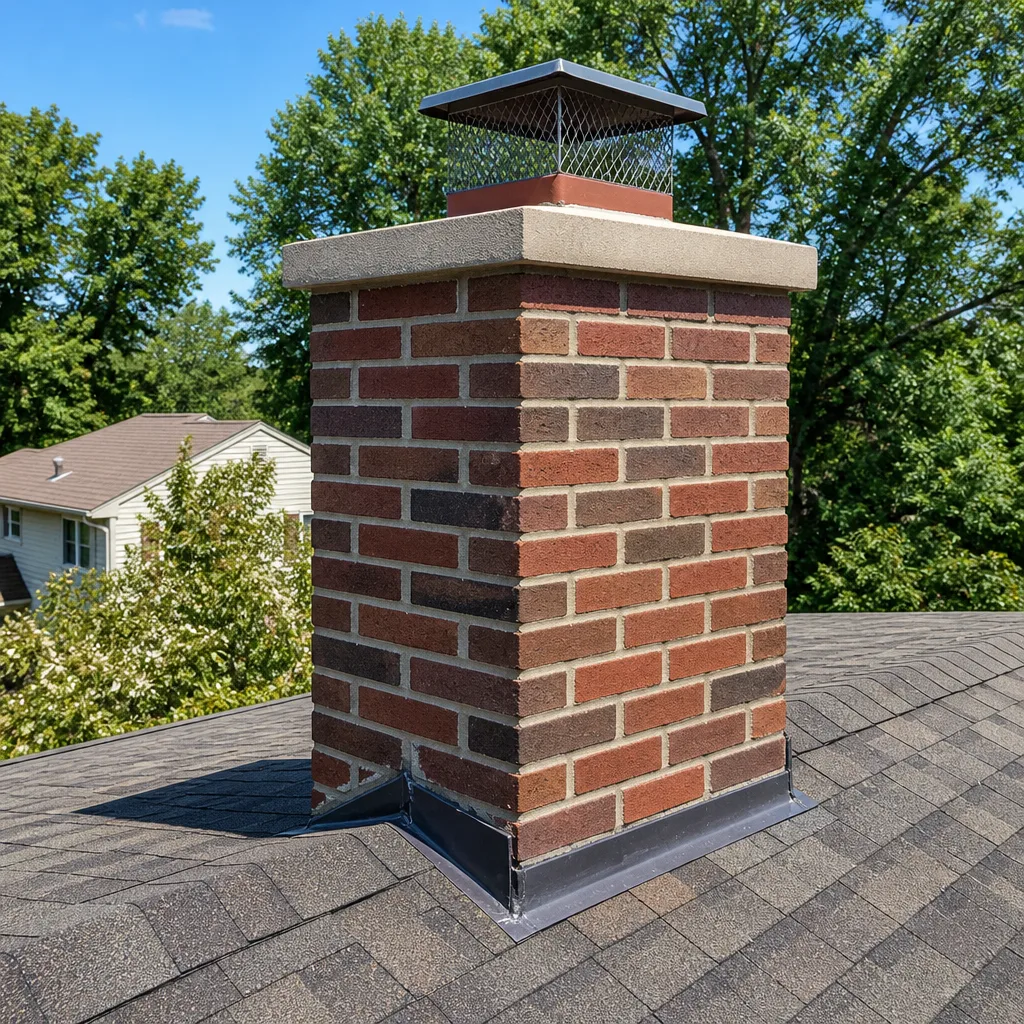 Masonry repair
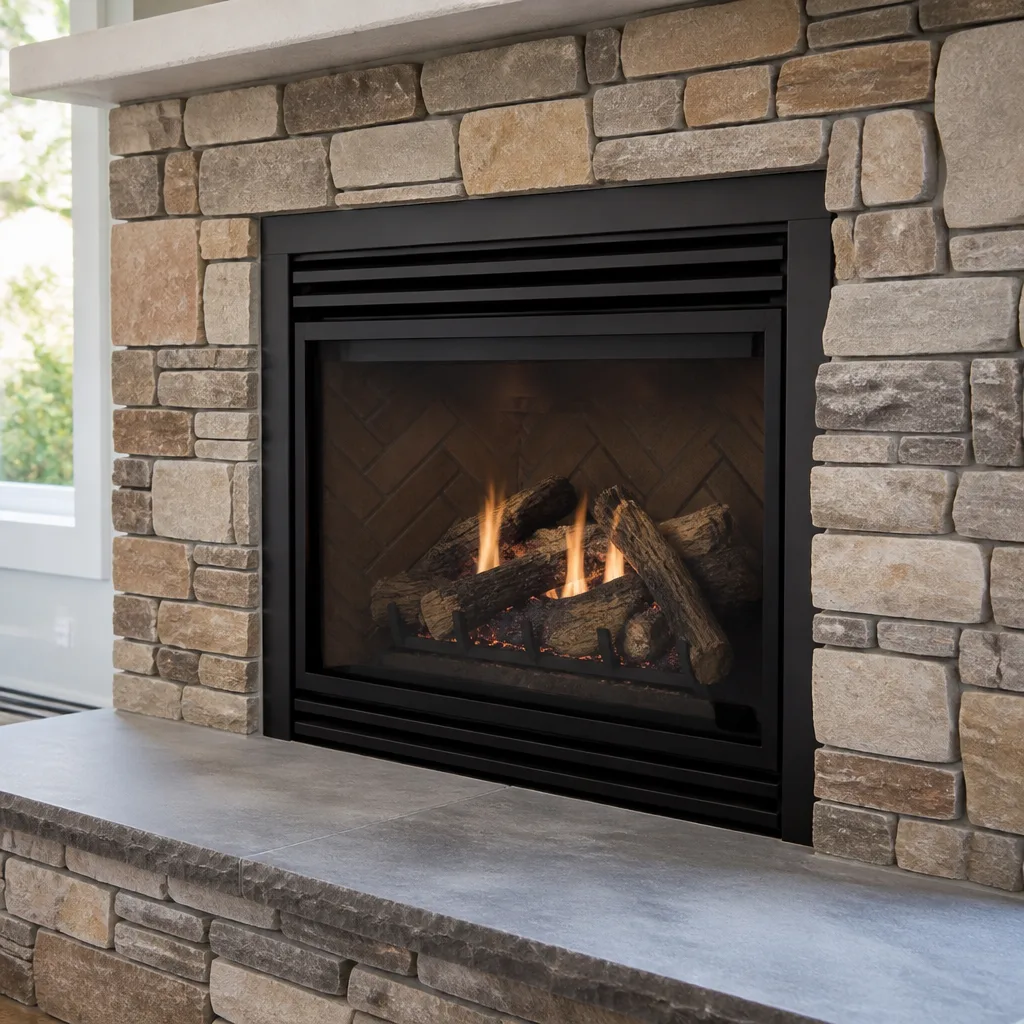 Gas fireplace service
Level 1 sweep and inspection to the NFPA 211 annual standard - flue, crown, cap, and flashing checked and photographed
Chimney sweep logs do not sweep chimneys. They loosen some creosote - which then falls where a brush and vacuum still have to collect it.
DIY vs Professional Chimney Cleaning: The Laguna Niguel Homeowner’s Decision Guide
The chimney brush kit sitting in your Amazon cart works fine on the right chimney. Used on a compromised clay tile liner or a stage-2 creosote deposit, it can dislodge debris directly into a cracked flue and create the exact hazard you were trying to prevent. That’s the uncomfortable truth most DIY guides gloss over. In Laguna Niguel, where fireplaces see intermittent use through mild winters, the creosote you’re dealing with is often the tar-like glazed variety that no consumer brush can remove. This guide draws the line between what a homeowner can safely handle and what requires a trained professional with rotary equipment and a video inspection camera, not a comfort level with power tools.
Quick Answer
DIY chimney cleaning is appropriate for light ash removal, exterior cap clearing, and visual inspections, but professional cleaning is required once creosote reaches stage 2 (glazed, tar-like deposits) or if the flue has cracked clay tiles, both conditions common in Laguna Niguel homes with low-use fireplaces. A consumer brush kit will not remove glazed creosote and can worsen a compromised liner. Call (866) 321-6650 for a free estimate and a camera inspection that shows you exactly what’s inside your flue before any work begins.
Styles & brands we work with
- Sweep & inspection
- Caps & crowns
- Flue relining
- Masonry repair
- Gas fireplace service
Table of Contents
- What a Laguna Niguel Homeowner Can Legitimately DIY
- Where DIY Stops Being Safe: The Technical Threshold
- Understanding Creosote Stages: Why Low Use Creates Glazed Deposits
- Equipment Reality Check: What Consumer Kits Miss
- Liner Types in Laguna Niguel Homes and Why They Matter
- How to Maintain Your Chimney Between Professional Cleanings
- The Dryer Vent Factor: The Other Fire Risk in Your Home
- DIY vs Professional: Cost Comparison in Laguna Niguel
What a Laguna Niguel Homeowner Can Legitimately DIY
There’s a real role for homeowner involvement in chimney maintenance. The key is knowing which tasks are safe, which are pointless, and which are actively harmful. Here’s what you can handle without professional help.
Exterior visual inspection. Walk around your home and look at the chimney structure. Check for visible cracks in the masonry, missing mortar joints, a damaged or missing chimney cap, and any obvious leaning. This is a ground-level observation, not a roof climb. If you see spalling brick or crumbling mortar, that’s a repair issue, not a cleaning issue, and it’s worth calling a professional who works with masonry repair materials from suppliers like Olympia Chimney.
Cap and screen clearing from the ground. If you can safely reach your chimney cap with a ladder and you’re comfortable on one, clearing visible leaves, bird nests, or debris from the exterior cap screen is reasonable. Most Laguna Niguel homes have spark arrestor caps that catch debris at the top. If the blockage is inside the flue rather than on the cap, stop. That requires tools and access you don’t have safely.
Firebox ash removal. After your last fire has been cold for at least 48 hours, scooping ash from the firebox into a metal container with a lid is standard homeowner maintenance. Leave about an inch of ash in the firebox during burning season. It acts as insulation and helps new fires start more efficiently. Dispose of ash in a metal container away from the house, never in a plastic bag or cardboard box.
Exterior dryer vent check. This one surprises people, but it belongs on the list. Go outside where your dryer vents and check the flap. Is it opening properly when the dryer runs? Is there visible lint buildup around the opening? A clogged or stuck flap is a sign that the vent line itself may need professional dryer vent cleaning. You can clear the exterior opening, but the interior run requires professional equipment.
Visual firebox and damper check. With a flashlight, look up from the firebox. Can you see the damper clearly? Is it moving freely? Is there debris sitting on the smoke shelf? These observations help you describe what you’re seeing when you call a professional, which speeds up the estimate process.
What you should not do: climb onto a roof without proper fall protection, use chemical creosote logs as a substitute for cleaning, or attempt to remove glazed creosote with a brush. Those three actions are where DIY goes wrong.
Where DIY Stops Being Safe: The Technical Threshold
The line between safe DIY and necessary professional work is defined by two things: what’s inside your flue and what condition your liner is in. Neither is visible without a camera.
Stage-2 Creosote Is the Hard Boundary
If you scrape the flue wall with a metal tool and the deposit comes off as shiny, tar-like flakes rather than dry, brushable soot, you have stage-2 creosote. No consumer brush will remove this. Trying to brush it can compact it further, reducing your flue diameter and creating a more intense fire risk. Removal requires a rotary cleaning system with steel cable and specialized heads that physically grind the glazed creosote off the flue walls.
Cracked Clay Tile Liners Change Everything
Many Laguna Niguel homes built in the 1980s and 1990s have original clay tile liners. Clay tiles crack over time from thermal stress, and the cracks are invisible from the firebox. Running a brush through a cracked liner can catch the brush head on tile edges, dislodge tile fragments, or push debris through the cracks into the chimney cavity. That’s the scenario where DIY cleaning creates the hazard it was meant to prevent. If there’s any chance your liner has deteriorated, you need a camera inspection before any cleaning method is chosen.
Gas Fireplaces Are Never a DIY Cleaning Job
If you have a gas fireplace with a pilot assembly, a consumer chimney brush is not appropriate equipment. Gas systems vent differently than wood-burning fireplaces, and the internal components require specific handling. Disassembling a gas fireplace to clean it improperly can damage the pilot assembly or create a gas leak risk. Professional chimney sweeps in Laguna Niguel are trained on gas systems and know when a gas fireplace needs cleaning versus when it’s fine to leave alone.
What Our Technicians Do Differently
Here’s the process that separates professional cleaning from DIY attempts, in order:
- Camera inspection first. Before any brush touches the flue, we run a video camera through the full length of the chimney. This identifies liner condition, creosote stage, and any blockages.
- Method selection based on findings. Stage-1 creosote gets traditional brush cleaning. Stage-2 glazed creosote gets rotary cleaning. A cracked liner means cleaning methods adjust to avoid further damage, and repair options get discussed.
- Rotary cleaning for glazed deposits. The rotary system uses spinning steel or poly heads on a cable that physically removes tar-like creosote without damaging sound clay tile or stainless liners.
- Post-cleaning camera verification. We run the camera again after cleaning. You see before and after images. You know the flue is actually clean, not just that someone ran a brush through it.
- Written report of findings. If the inspection reveals liner damage, we can discuss repair options using DuraFlex liner systems or HeatShield resurfacing, depending on the specific condition.
That last point matters. A chimney sweep who only cleans is leaving money on the table in the form of information. The inspection is half the value of the service. We name our materials because you should know what’s going into your home, whether it’s a Famco vent cover or a HeatShield resurfacing compound.
Understanding Creosote Stages: Why Low Use Creates Glazed Deposits
Creosote is the condensation of unburned wood particles, water vapor, and other combustion byproducts that collects on flue walls. It forms in three stages, and each stage requires a different removal approach.
Stage 1: Dry, flaky soot. This is the easiest to remove. It looks like black dust and brushes off with standard equipment. Homes that burn hot, well-seasoned wood frequently produce this type.
Stage 2: Glazed, tar-like creosote. This is the type that DIY attempts fail on. It’s shiny, hard, and forms when smoke condenses on cooler flue walls. It requires rotary cleaning to remove. In our experience, this is the most common type we find in Laguna Niguel homes.
Stage 3: Hardened, thick glaze. This is stage 2 that has baked into a dense, rock-hard layer. It significantly reduces flue diameter and is the most dangerous. Removal often requires multiple passes with rotary equipment or chemical treatments in addition to mechanical cleaning.
Why does a mild climate like Laguna Niguel produce stage-2 creosote so often? The answer is counterintuitive. Homes here use fireplaces less frequently than, say, a mountain home. That means fires are often built quickly, with wood that hasn’t been seasoned as long, and the damper gets closed as soon as the fire dies down. The result is a cooler, smokier burn with more condensation on the flue walls. A homeowner in a cold climate burning fires every night might produce stage-1 creosote because the chimney stays hot. The occasional-use fireplace in Laguna Niguel creates exactly the conditions for glazed deposits.
That’s why the “I only use my fireplace a few times a year, so it’s fine” logic doesn’t hold. Low-use fireplaces are often the ones with the most dangerous creosote buildup per burn.
Equipment Reality Check: What Consumer Kits Miss
A consumer chimney brush kit typically costs somewhere between $40 and $120 and includes a brush head, fiberglass rods, and sometimes a tarp. Here’s what that kit does not include and cannot do.
No camera inspection. The single biggest difference between DIY and professional cleaning is verification. A brush kit cleans blind. You cannot see whether the creosote is stage 1 or stage 2 before you start, and you cannot see whether the flue is actually clean when you finish. Our video inspection camera shows both, and you see the images yourself.
No rotary cleaning capability. Consumer brushes are static. They rely on friction from the rods moving up and down. Glazed creosote laughs at that. Rotary systems spin at high speed with specialized heads that shave the glazed layer off. The difference in results is not subtle.
No liner condition assessment. Even if you successfully brush stage-1 creosote off the flue walls, you’ve learned nothing about the liner underneath. A professional sweep in Laguna Niguel can identify cracks, spalling, or missing tile sections during the inspection, before they become a house fire or carbon monoxide problem.
No repair capability. If your DIY cleaning reveals a problem, which it won’t because you can’t see in there, you still need to call a professional. The difference is that by then you may have made the problem worse with a brush on damaged tile. Our full-service repair capability means problems found during inspection get fixed by the same crew, using materials like DuraFlex flexible liner systems and HeatShield resurfacing products that code-compliant professionals trust.
No dryer vent reach. Consumer dryer vent brushes reach four to six feet. Most dryer vent runs in Laguna Niguel homes are longer than that, especially in two-story layouts where the dryer sits on the second floor or the vent runs through a wall to the exterior. Professional dryer vent cleaning uses rotary equipment and high-pressure air that clears the entire run, not just the first few feet.
Liner Types in Laguna Niguel Homes and Why They Matter
Your chimney liner is the difference between a contained fire system and a house fire waiting to happen. Different liner types require different cleaning approaches, and knowing what’s in your chimney changes the DIY calculus.
Clay tile liners. The original standard in Southern California construction, including most Laguna Niguel homes built before 2000. Clay tiles handle heat well but crack over time. Cracks create pathways for heat and gases to reach combustible framing. DIY brushing on a cracked clay liner is the worst-case scenario: the brush can catch on the crack, dislodge tile fragments, or push debris through the opening.
Stainless steel liners. Modern stainless liners, including DuraFlex flexible liner systems, resist corrosion and handle heat well. They’re smoother than clay tile, which means less creosote adhesion and easier cleaning. If you have a stainless liner, routine cleaning with a brush is more feasible, though camera verification still matters.
Unlined chimneys. Some very old chimneys in original structures have no liner at all, just bare masonry. This is a serious safety issue that requires immediately discussion about installing a liner. No amount of cleaning makes an unlined chimney safe for active use.
Gas fireplace venting. Gas systems often use a smaller-diameter vent pipe rather than a full-size flue. The cleaning needs are different, and in many cases, gas fireplaces need less frequent cleaning than wood-burning systems. The pilot assembly and gas components require care that homeowner cleaning can damage.
Here’s the practical takeaway: before you buy a brush kit, figure out what liner you have. If you don’t know, a camera inspection answers the question in about twenty minutes, and we can walk you through what you’re seeing on the screen, including any areas where a DIY approach would be risky.
How to Maintain Your Chimney Between Professional Cleanings
Professional cleaning doesn’t mean you can never touch your fireplace. The right DIY maintenance between cleanings extends the service interval and keeps your system safer. Here’s what we tell our Laguna Niguel customers.
Numbered routine, in order:
- Burn only seasoned wood. Wood should be split and stacked for at least six to twelve months. Fresh wood contains up to 50% water by weight. Burning wet wood produces more smoke, more condensation, and more creosote per fire than seasoned wood. In Laguna Niguel’s dry climate, seasoning actually happens faster than in humid regions, which is an advantage.
- Keep the damper open until the fire is completely out. Closing the damper early traps smoke in the chimney where it condenses on flue walls. That condensation is how glazed creosote forms. Open the damper fully during the fire and leave it open until no embers remain.
- Use a spark arrestor cap. If you don’t have one, install one. It keeps birds, squirrels, leaves, and debris out of your flue, and it prevents sparks from landing on your roof or neighboring brush. This is a safety measure that also reduces the frequency of professional cleaning by keeping the flue cleaner.
- Do a monthly visual check from the firebox. Once a month during burning season, shine a flashlight up from the firebox and look for visible buildup on the damper or smoke shelf. If you see shiny, tar-like deposits, call us. If you see dry soot that brushes off easily, that’s a light stage-1 condition that professional cleaning will resolve at the next scheduled visit.
- Clean the firebox ash regularly. As noted earlier, keep about an inch of ash during burning season, then clean it out completely at the end of the season. Ash is slightly alkaline and can corrode metal firebox components if left in place for months.
These steps are safe, effective, and they complement professional cleaning rather than replacing it. The owners who maintain their fireplaces this way are the ones whose camera inspections come back cleanest.
The Dryer Vent Factor: The Other Fire Risk in Your Home
Chimney fires get the headlines, but dryer vent fires are just as common and arguably more dangerous because they happen inside the wall cavity where you can’t see them. Every Laguna Niguel homeowner with a clothes dryer has a dryer vent system that needs attention, whether or not they ever light a fire in their fireplace.
Lint is the fuel. Every load of laundry produces lint that passes through the filter and accumulates in the vent line. The filter catches most of it, but the fine particles get through and build up over months and years. When the vent line restricts airflow, the dryer runs hotter, and the lint becomes an ignition source. The result is a fire inside the wall, which spreads quickly and is often undetected until it’s too late.
The connection to chimney cleaning is direct: both systems vent heat and combustion byproducts out of your home, and both are fire hazards when neglected. Some Laguna Niguel homes have dryers venting through the wall near the fireplace, which means both venting systems run through the same framing. A Chimney Sweep Laguna Niguel technician handles both in one visit, which is why we describe ourselves as a whole-system home venting specialist. Your whole venting system, not just your fireplace.
DIY dryer vent cleaning has the same limitation as DIY chimney cleaning: consumer brushes reach only the first few feet. The accumulation that causes fires is usually deeper in the run, around bends and elbows where a brush can’t reach. Professional cleaning uses rotary equipment that scrapes the full interior diameter of the vent line, plus high-pressure air that pushes loose debris out the exterior exit.
DIY vs Professional: Cost Comparison in Laguna Niguel
Money matters, and it’s reasonable to weigh the true cost of DIY against professional service. Here’s the honest breakdown.
DIY costs:
- Consumer brush kit: $40 – $120, depending on rod length and brush type
- Extension ladder if you don’t own one: $150 – $300
- Safety gear (gloves, goggles, dust mask): $30 – $60
- Time: two to four hours for a first-time DIYer, including setup and cleanup
- Risk: unquantified. A fall from a roof, a brush stuck in a cracked liner, or a missed stage-2 creosote deposit all carry costs far exceeding the savings
Professional costs:
- Chimney sweep with camera inspection in Laguna Niguel: typically a few hundred dollars, depending on accessibility, creosote stage, and whether the flue has been cleaned recently
- Dryer vent cleaning: usually less than a chimney sweep, and often combined with a sweep appointment for efficiency
- Time: one to two hours on site
- Verification: before and after camera images you can see yourself
- Insurance: licensed and insured professional work covers liability if something goes wrong
The true cost comparison isn’t just the brush kit versus the service fee. It’s the brush kit versus the brush kit plus the professional cleaning you’ll still need, plus the repair you might create by brushing a compromised liner. Every Laguna Niguel homeowner has a different chimney condition, and the only way to know whether DIY is even an option for your specific flue is to see it first. Our free estimates include camera inspection so you’re making decisions based on evidence, not guesses.
Common Mistakes to Avoid
- Using chemical creosote logs as a substitute for cleaning. These logs break down stage-1 creosote somewhat, but they do nothing for stage-2 glazed deposits. Relying on them creates a false sense of safety while the real hazard remains in your flue.
- Cleaning blindly with a consumer brush on an unverified liner. If your clay tile liner has cracks you don’t know about, a brush can dislodge tile fragments and push debris through the cracks. The first step is always camera inspection.
- Closing the damper to “keep the heat in” right after the fire dies. This traps smoke and moisture in the chimney, accelerating creosote formation. Leave the damper open until the firebox is cold.
- Attempting to clean a gas fireplace with wood-burning tools. Gas systems have pilot assemblies and venting components that homeowner tools can damage. Gas fireplace service requires specific training.
- Ignoring the dryer vent because “it’s not a chimney.” Dryer vents cause house fires in Laguna Niguel every year. The vent system is part of your home’s fire safety, and it needs the same professional attention as your chimney.
- Climbing onto a roof without fall protection. Professional sweeps use safety equipment and have insurance. A fall from even a single-story roof can be permanently disabling. The savings from DIY never justify the risk.
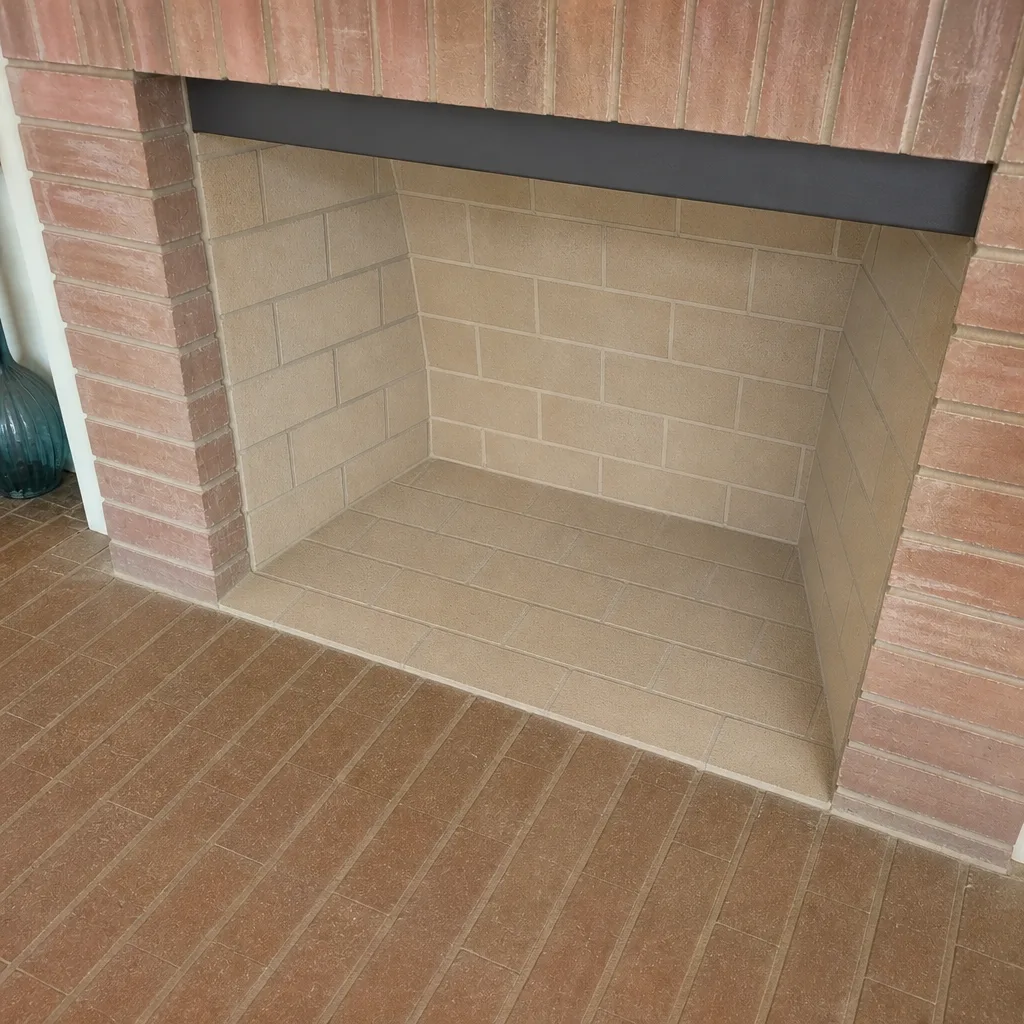
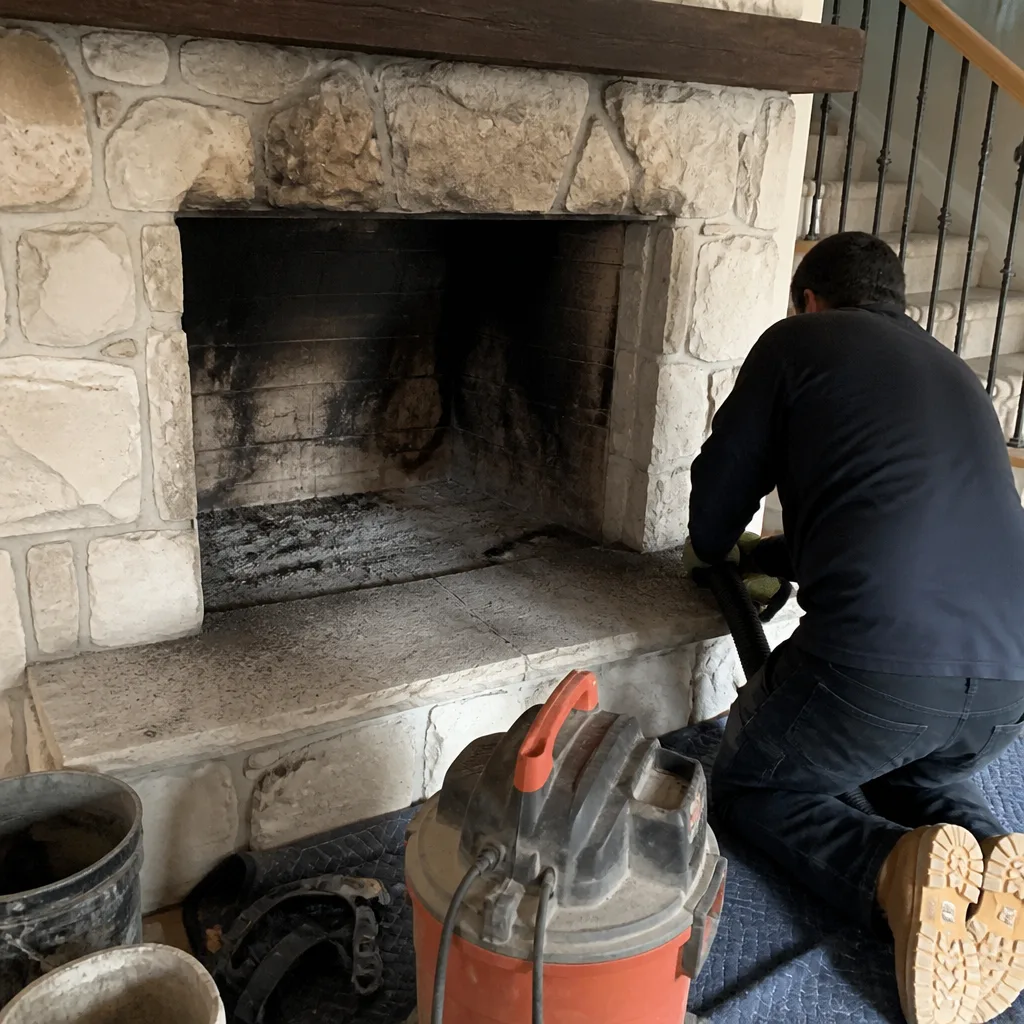
See the difference
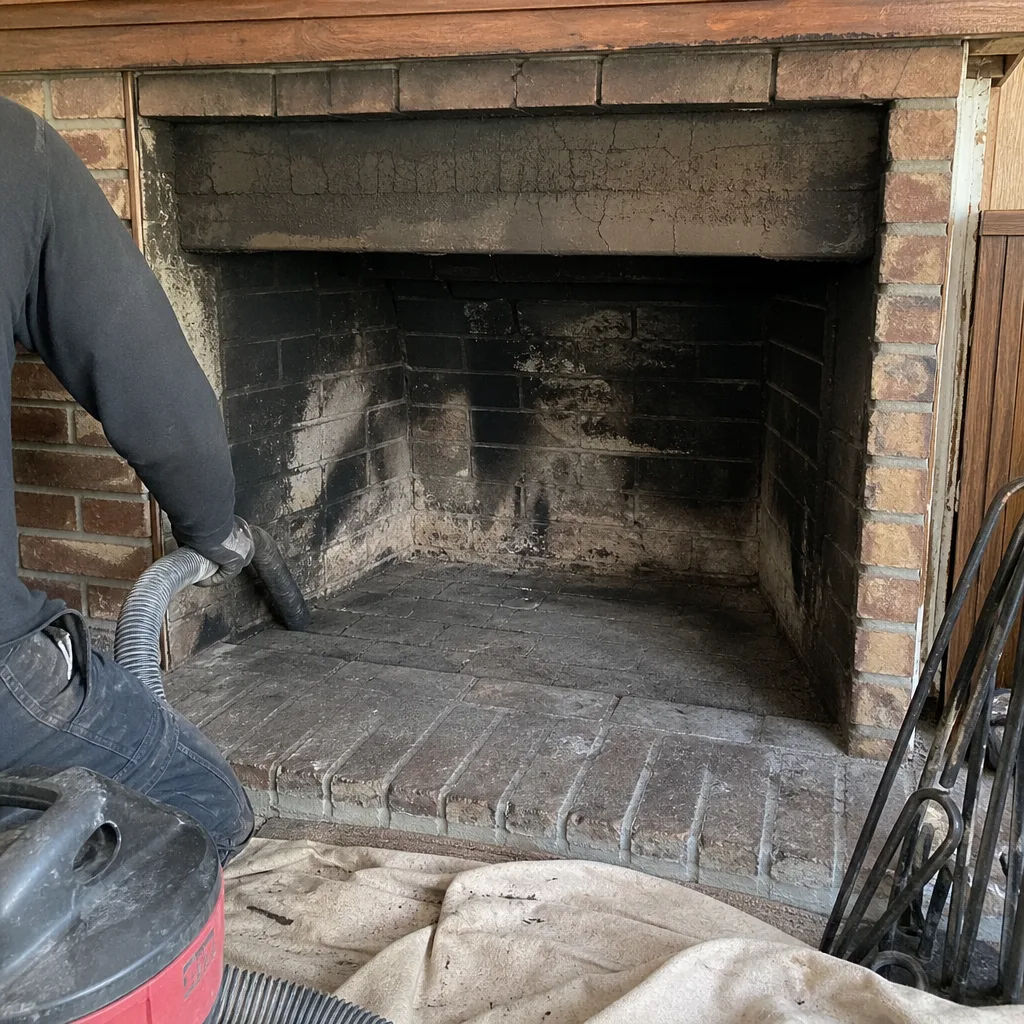 Before
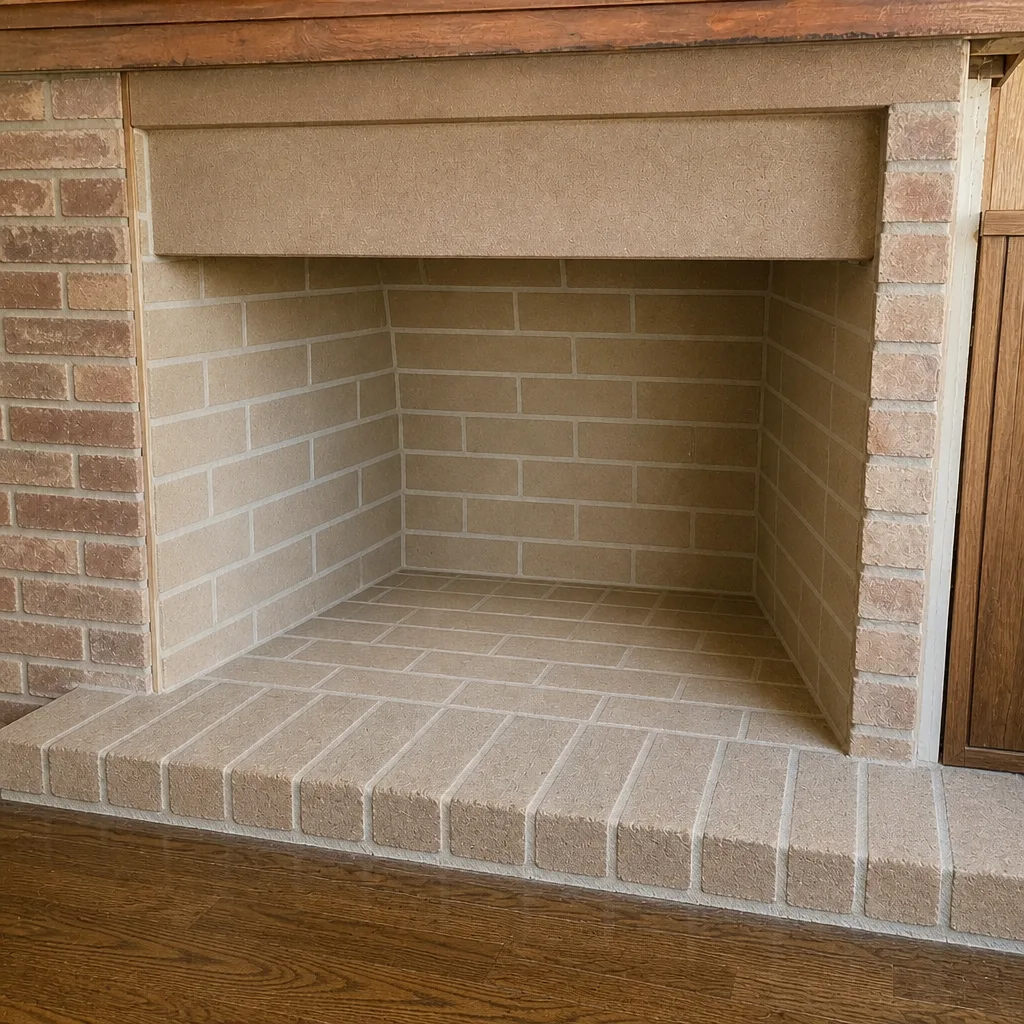 After
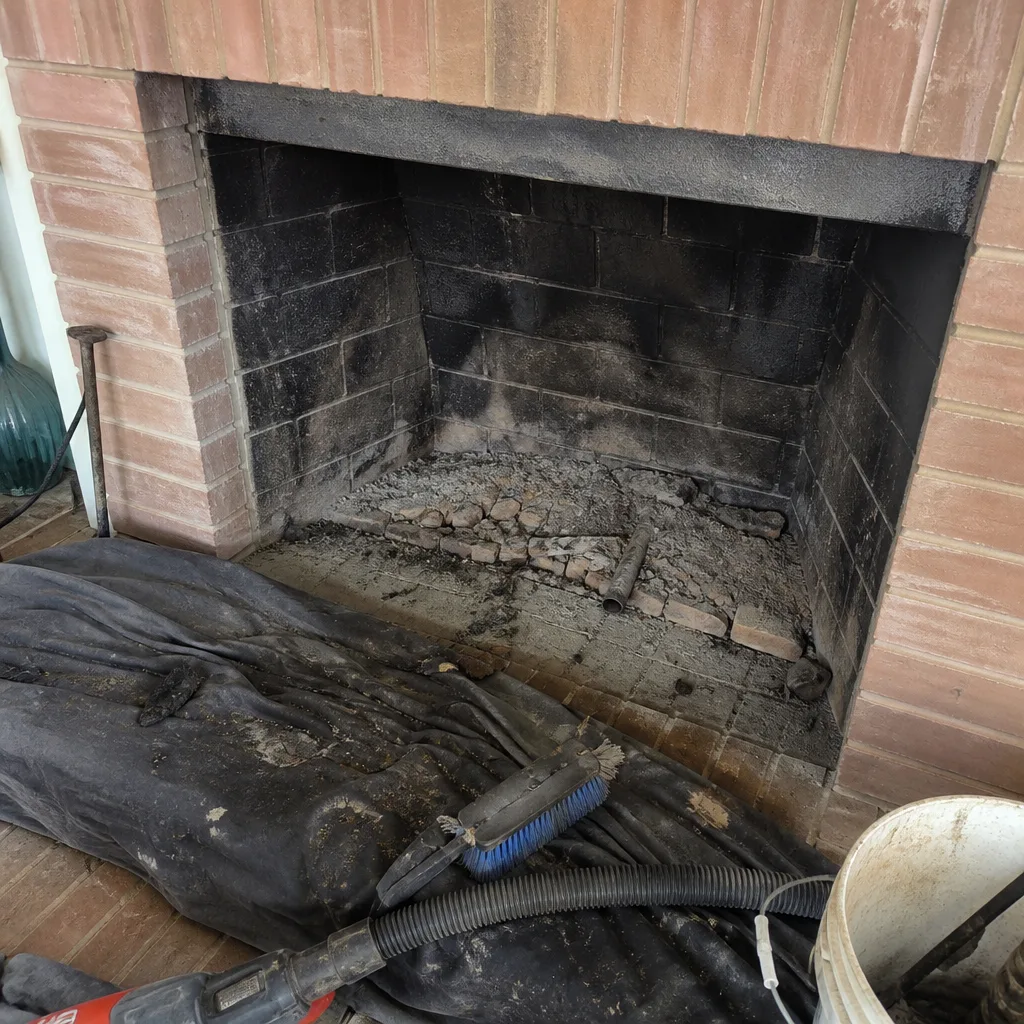 Before
 After
 Before
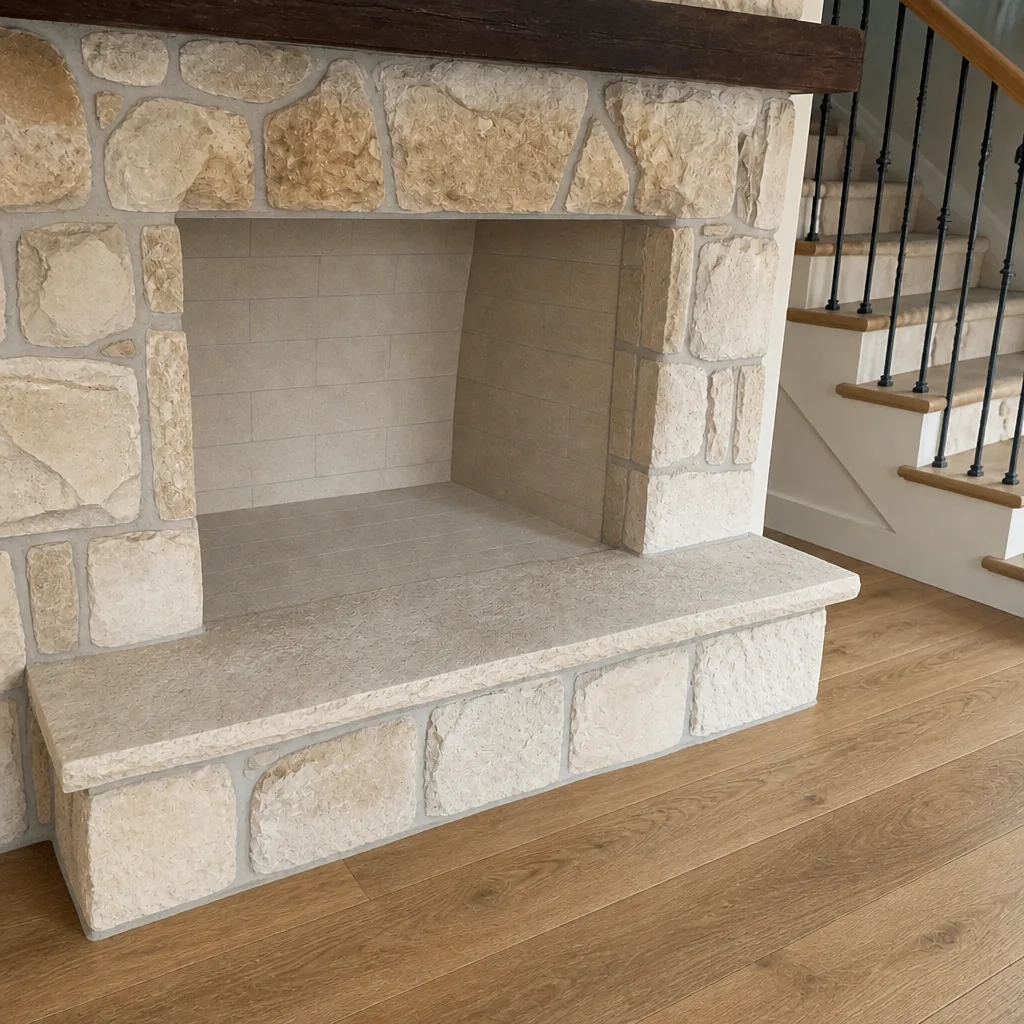 After
When to Call a Professional
Call a professional if you see shiny, tar-like deposits when you look up from the firebox, if you smell smoke in the house after a fire, if you don’t know what type of liner you have, if you have a gas fireplace that hasn’t been serviced, if your dryer takes longer than forty-five minutes to dry a load, or if you see visible lint at the exterior dryer vent opening. These are signs that the system needs attention beyond what a homeowner can safely handle. Chimney Sweep Laguna Niguel offers free estimates in Laguna Niguel. Call (866) 321-6650 and we’ll schedule a camera inspection so you know exactly what you’re dealing with. We answer 24/7. Fast dispatch from 7am to 7pm, Sunday through Friday.
Frequently Asked Questions
How much does a chimney sweep cost in Laguna Niguel?
A standard chimney sweep with camera inspection in Laguna Niguel typically costs a few hundred dollars, depending on creosote stage, roof accessibility, and whether the flue has been cleaned recently. The written estimate sets the final price, and estimates are free. Call (866) 321-6650 for an exact quote.
Do I really need a chimney cleaning if I only use my fireplace a few times a year?
Yes, and the low use is often the reason cleaning matters more, not less. Occasional fires in Laguna Niguel’s mild climate often produce stage-2 glazed creosote because the chimney doesn’t stay hot long enough to prevent condensation on the flue walls. Low-use fireplaces can be more dangerous per burn than daily-use fireplaces in cold climates.
Can I clean my own chimney with a brush kit from the hardware store?
Only if you’ve verified two things: that your creosote is stage 1 (dry, flaky soot) and that your liner has no cracks. Neither is visible without a camera inspection. Most Laguna Niguel homes have clay tile liners installed decades ago, and the likelihood of hidden cracks is high enough that blind brushing is a real risk.
What actually happens if I skip chimney cleaning?
Creosote buildup restricts flue diameter, which reduces draft and pushes smoke back into your living space. Glazed creosote is combustible, and a hot fire can ignite it, creating a chimney fire that reaches temperatures high enough to crack liners and spread to framing. Carbon monoxide buildup from blocked flues is the other silent risk.
How often should a chimney be swept in Laguna Niguel?
The standard recommendation is once per year if you use your fireplace at all during the season, and immediately if you notice shiny deposits, a burning smell, or smoke in the house. Homes that burn wood occasionally through the winter months are still on the annual schedule because of the glazed creosote pattern we see locally. Call (866) 321-6650 to schedule.
Is dryer vent cleaning really necessary if my dryer is working fine?
Yes. Lint accumulates even in properly functioning dryers, and the buildup happens gradually, so a dryer can feel normal for years while the vent line slowly clogs. By the time it takes longer than forty-five minutes to dry a load, the restriction is significant. The safest approach is an annual professional cleaning, especially in two-story Laguna Niguel homes where the vent run is longer than average.
The Bottom Line
The line between DIY and professional chimney work isn’t about effort or confidence. It’s about liner type and creosote stage, two things you cannot determine without a camera inspection. Laguna Niguel’s mild climate and low-use fireplace patterns create the exact conditions for glazed, tar-like creosote that consumer brushes cannot remove and can actually worsen if the clay tile liner has hidden cracks. Homeowners who want to participate in their chimney maintenance can safely handle exterior visual checks, firebox ash removal, cap clearing, and dryer vent exterior inspection. Everything beyond that belongs with a professional who has rotary equipment, camera inspection capability, and access to the full catalog of professional materials from suppliers like Olympia Chimney and Copperfield. One call covers it all.
Written by the team at Chimney Sweep Laguna Niguel, serving Laguna Niguel since 2014.