
Last updated November 5, 2026
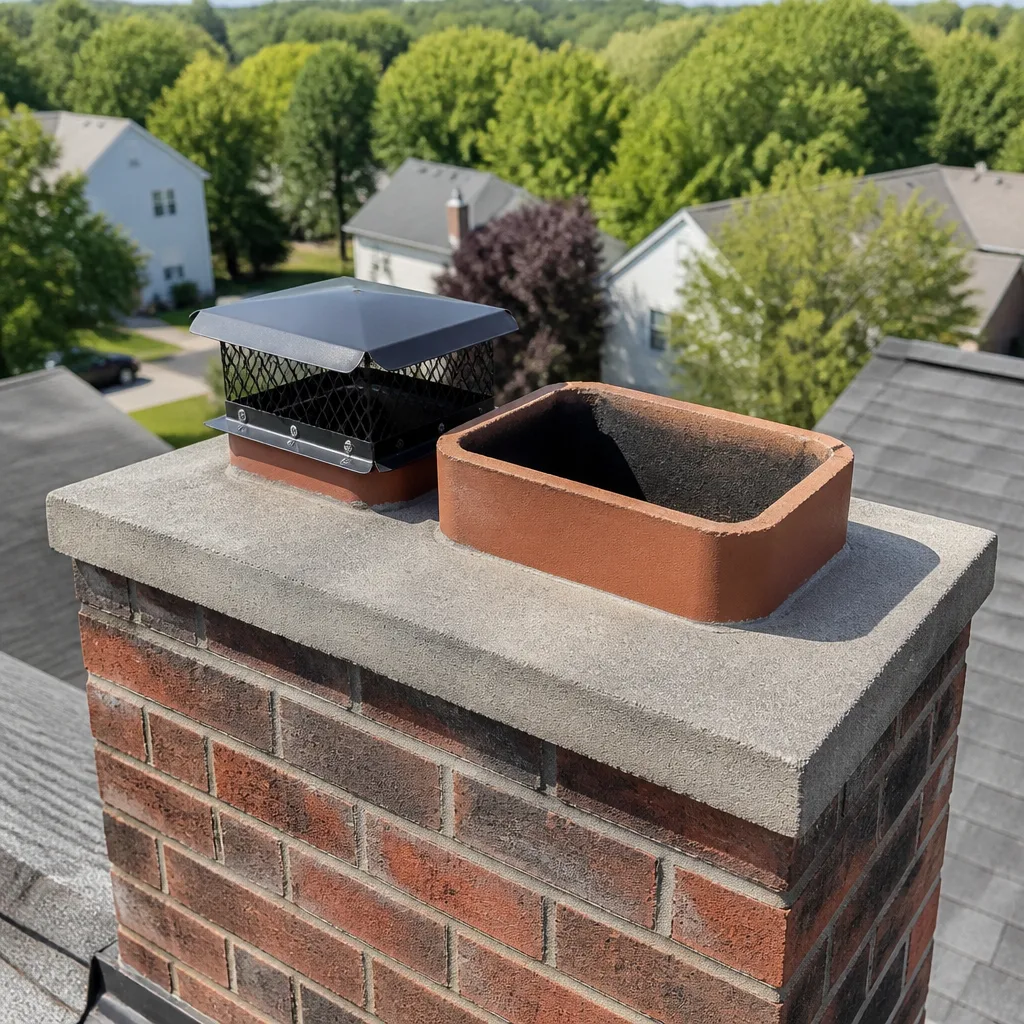 Sweep & inspection
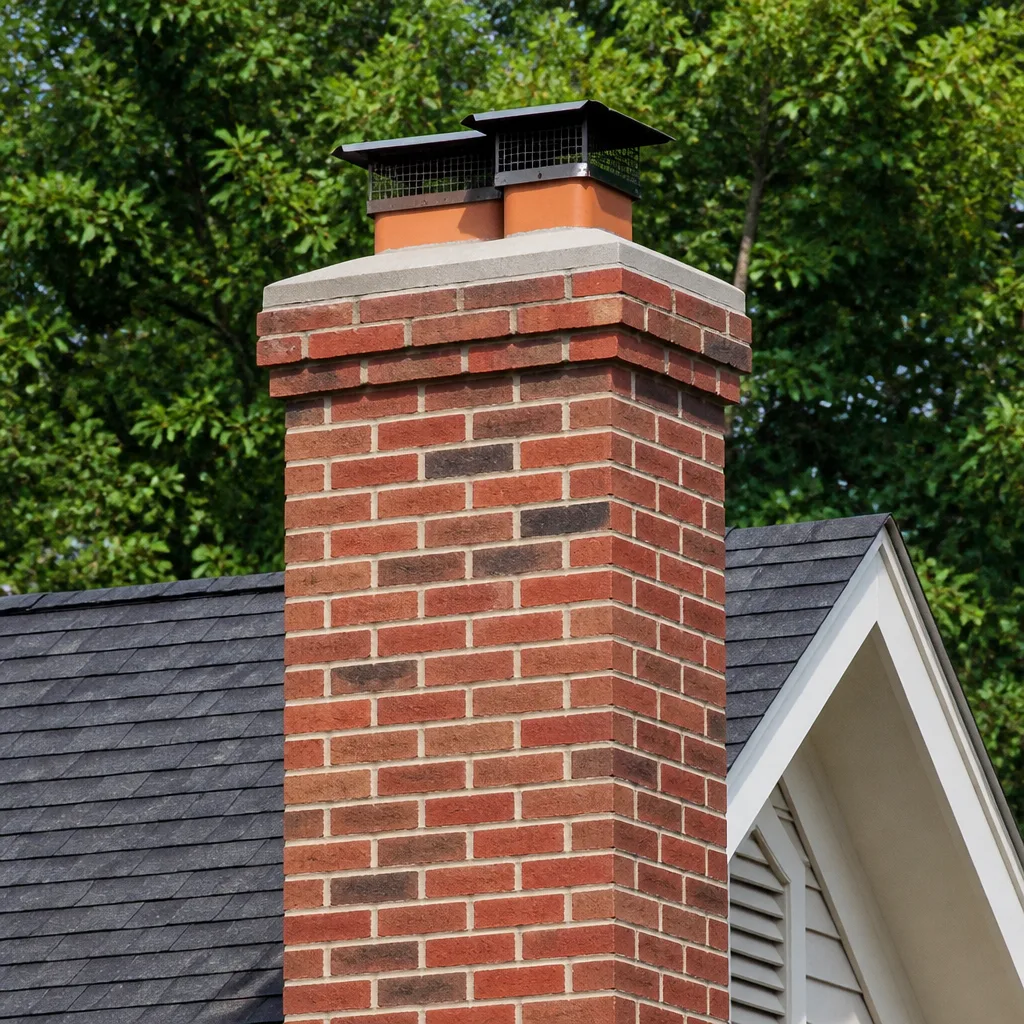 Caps & crowns
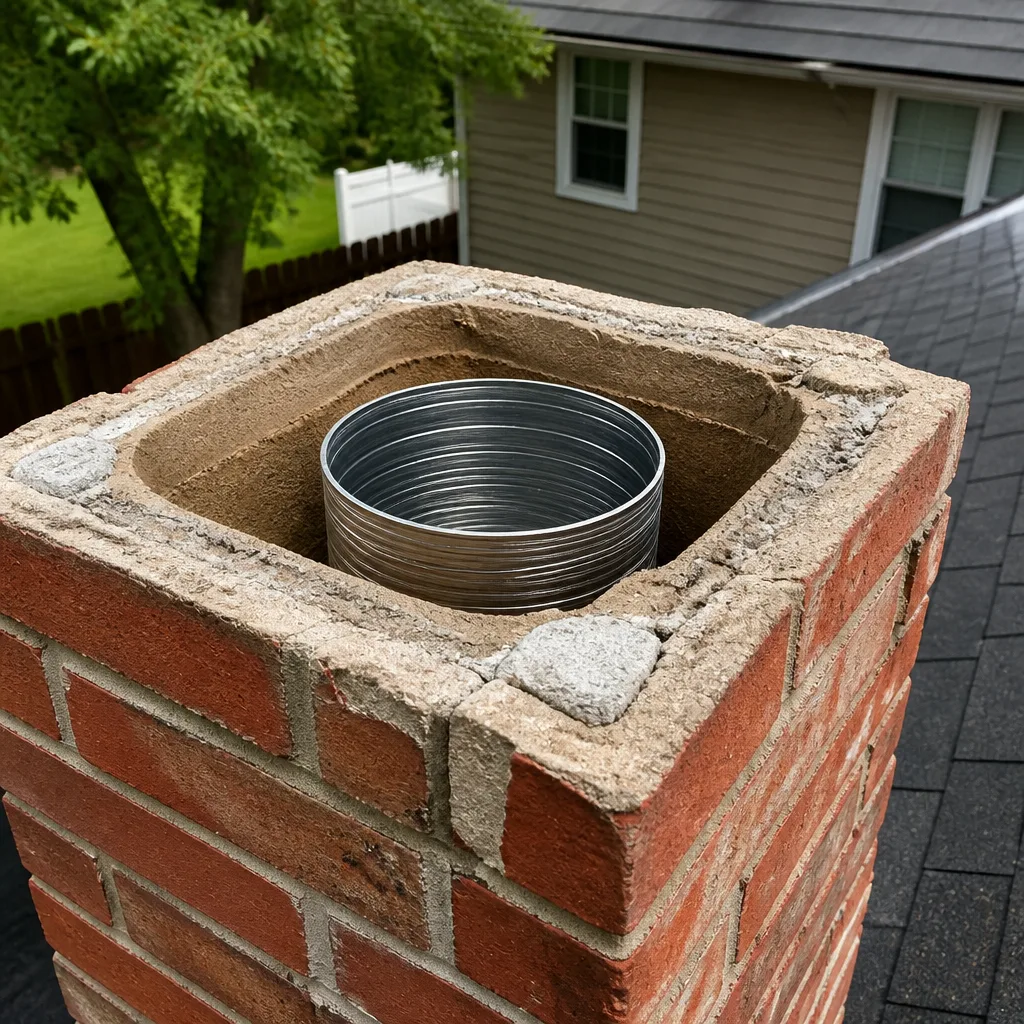 Flue relining
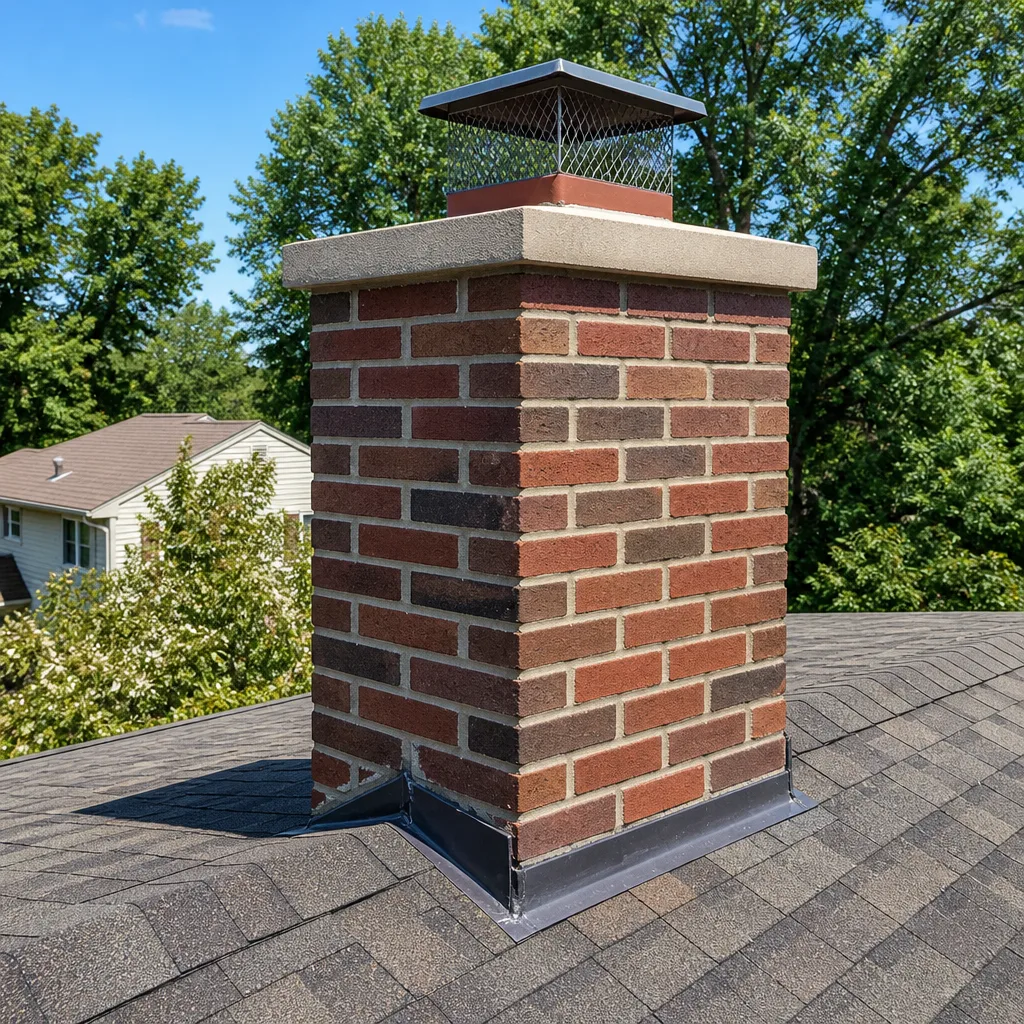 Masonry repair
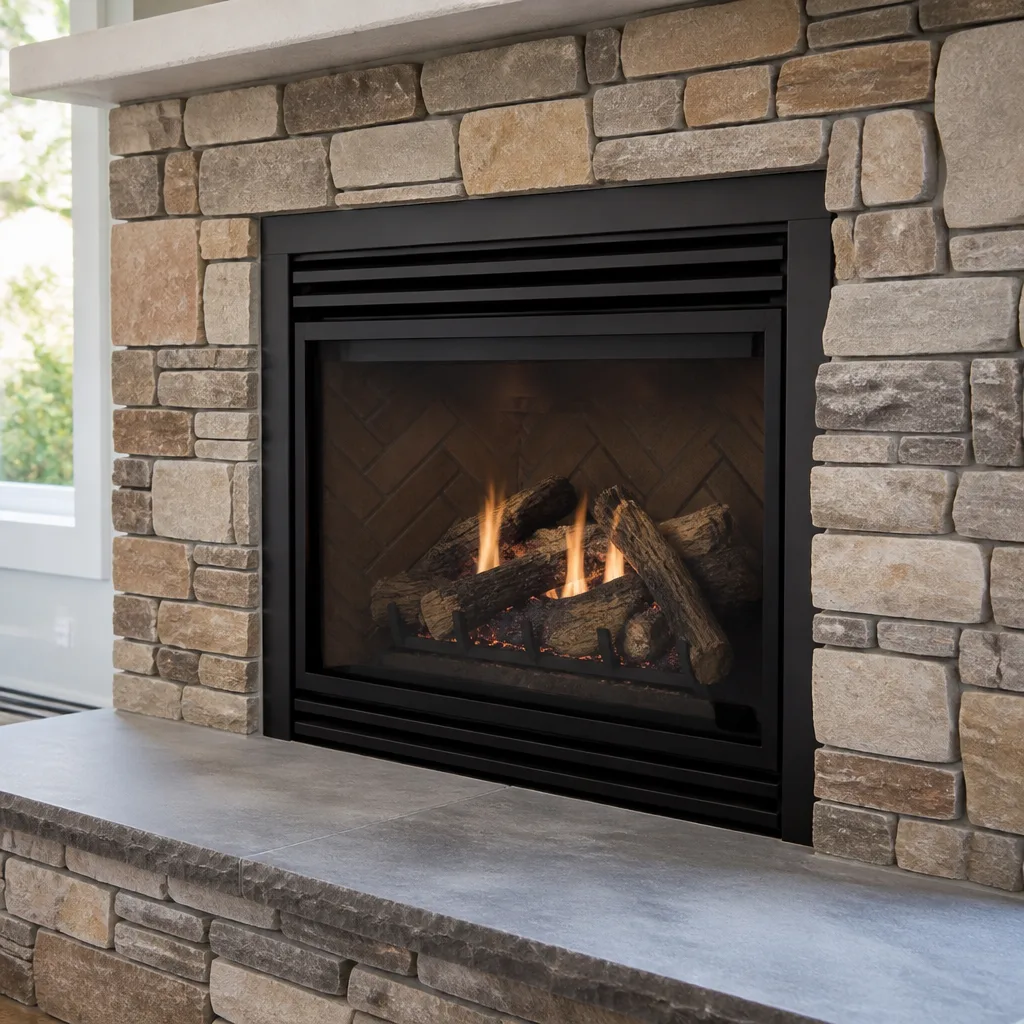 Gas fireplace service
Level 1 sweep and inspection to the NFPA 211 annual standard - flue, crown, cap, and flashing checked and photographed
Chimney sweep logs do not sweep chimneys. They loosen some creosote - which then falls where a brush and vacuum still have to collect it.
How to Hire a Chimney Cleaning Contractor in Laguna Niguel: A Step-by-Step Guide
Most homeowners in Laguna Niguel assume that anyone who shows up with a brush and a vacuum is qualified to clean a chimney. That assumption is expensive. A CSIA certification decal on a van costs under $50 to fake online, and the Southern California market is crowded with handymen who list “chimney services” next to gutter cleaning and pressure washing on the same business card. This guide gives you the actual vetting process we would want our own family to follow before letting anyone onto a roof or into a flue, including the specific conversation you need to have about camera equipment, insurance, and written scope of work.
Quick Answer
To hire a chimney cleaning contractor in Laguna Niguel, ask for proof of general liability insurance plus written confirmation that the tech is trained on the specific liner and venting materials in your home, then require a camera inspection report as part of the sweep. Get a written scope of work that separates cleaning from repair recommendations before any money changes hands. The conversation matters more than the decal.
Styles & brands we work with
- Sweep & inspection
- Caps & crowns
- Flue relining
- Masonry repair
- Gas fireplace service
Table of Contents
- What Do Chimney Certifications Actually Mean?
- How to Verify a Contractor’s Insurance in California
- Five Interview Questions That Separate Specialists from Surface Cleaners
- What a Legitimate Written Scope of Work Should Include
- Red Flags in the Laguna Niguel Chimney Market
- Step-by-Step: How to Hire a Chimney Sweep in Laguna Niguel
- Common Mistakes to Avoid
- When to Call a Professional
- Frequently Asked Questions
What Do Chimney Certifications Actually Mean?
The first thing to understand is that “chimney sweep” is not a regulated title in California the way “electrical contractor” or “plumber” is. Anyone can print it on a truck. What separates a real chimney sweep from a general handyman is often a certification, but not all certifications carry the same weight. Here is what each credential actually validates, because in our experience, homeowners rarely get this explained to them clearly.
CSIA-Certified Chimney Sweep means the individual passed an exam administered by the Chimney Safety Institute of America covering fire codes, clearances, flue sizing, and inspection methodology. It is the most widely recognized credential in the trade. It validates the technician’s knowledge, not the company’s workmanship. A company can employ one certified tech and send uncertified crews to most jobs, so ask who specifically will be on your roof.
NFI-Certified Specialist refers to the National Fireplace Institute, which has separate tracks for wood-burning, gas, and pellet appliances. An NFI Wood-burning Specialist has proven knowledge of combustion air requirements, draft dynamics, and fuel-specific clearances. This matters if you burn wood in Laguna Niguel, where some homes have masonry fireplaces built in the 1980s and 1990s, while others have newer factory-built units.
“Trained Technician” means whatever the company wants it to mean. There is no third-party standard behind that phrase. It could mean a 40-hour onboarding course, or it could mean a guy watched a video and rode along for a day. Do not accept “trained technician” as a substitute for a named credential, and do not accept a named credential without asking what it covers and whether the person arriving is the one who holds it.
In Laguna Niguel specifically, the mix of older custom homes near the country club and newer developments farther up the hills means the same neighborhood can have clay tile liners from the 1980s, factory-built metal chimneys from the 2000s, and everything between. The right credential for your home depends partly on what’s actually attached to your fireplace.
How to Verify a Contractor’s Insurance in California
General liability insurance is the floor, not the ceiling. It covers property damage and bodily injury caused by the contractor’s work. But chimney work carries a specific risk profile that general liability alone does not address: what happens if a sweep misses a liner defect and your home has a chimney fire six months later? Or if a repair fails and exhaust gases enter the living space?
Here is the insurance conversation every Laguna Niguel homeowner should have before booking a sweep:
- Ask for a certificate of insurance (COI) with your name on it. A COI is a one-page document from the insurer that lists the policyholder, coverage amounts, and the policy dates. A legitimate contractor will have their agent send you a COI within a business day. It is not a red flag to refuse; it is a red flag to delay.
- Ask what kind of coverage the company carries beyond general liability. Many chimney contractors carry pollution liability or completed operations coverage that specifically covers work performed but failed later. Completed operations coverage matters because chimney defects often reveal themselves months after the job, not weeks.
- Ask if the company has experience with chimney fires and liner failures, not just cleanings. A contractor who has never dealt with a failed liner or a damaged flue tile will struggle to evaluate your chimney for the specific risks that matter in Southern California, where mild winters mean chimneys sit dormant for months and then get asked to perform.
- Ask what the company’s own safety and inspection protocol is. This is more important than the insurance certificate in some ways. A company that documents every job with a camera inspection is less likely to miss a defect, and less likely to need its insurance policy in the first place.
Here’s the thing about Laguna Niguel specifically: the city’s residential mix includes tract homes, custom builds, and multi-story hillside properties. A two-story chimney on a sloped lot is a different job than a single-story chase on a flat lot. The contractor’s insurance should cover that reality, and the company should act like it understands it.
Five Interview Questions That Separate Specialists from Surface Cleaners
You do not need to be a chimney expert to catch a surface cleaner. You just need to ask questions that require specific knowledge to answer. Here are the five questions we recommend every Laguna Niguel homeowner ask, and what the answers reveal.
1. “What camera equipment do you use for liner inspection?”
A legitimate chimney sweep will answer immediately with a brand or a specification: a flexible borescope, a Wi-Fi-connected camera probe, a specific resolution and focal length. A surface cleaner will say something vague like “we do a visual inspection.” The difference matters because the most dangerous defect in a chimney is a cracked or separated liner tile, and you cannot see that with your eyes from the firebox or the roof. A camera is the only way to actually inspect the full length of the flue.
2. “Can you show me the damage before you quote a repair?”
This is the single most important question in the entire hiring process. A legitimate specialist will say some version of “yes, the camera footage is yours to see, and I’ll walk you through what it shows.” A high-pressure sales outfit will deflect, or describe damage you cannot verify, or refuse to share the footage. If you cannot see the problem, do not pay for the solution. This is the rule we apply to our own work, and it is the rule you should enforce with any contractor on your roof in Laguna Niguel.
A related red flag: a contractor who recommends a Level 3 inspection (the most invasive type, involving demolition of masonry or removal of portions of the chimney) after a routine cleaning without showing you reason for it. Legitimate Level 3 inspections follow a specific event: a chimney fire, a structural event, or a building sale. They are not routine upsells.
3. “Do you clean dryer vents as well as chimneys?”
This question is more revealing than it appears. The leading causes of home heating fires are chimney fires and dryer vent fires. A contractor who handles both is thinking in terms of whole-home venting, not just fireplaces. That said, the answer reveals whether they are a specialist or an add-on seller. A chimney company that added dryer vent cleaning as a sideline will often quote a low price to get in the door and then upsell. A company that treats both as serious fire-safety work will inspect each system on its own terms and quote honestly.
4. “What lining materials do you install or resurface with?”
A surface cleaner will not recognize the names. A specialist will. We work with HeatShield for chimney resurfacing and DuraFlex liner systems from Copperfield and Olympia Chimney, two of the chimney industry’s most comprehensive professional supply networks. These are the products certified sweeps use nationwide because they are engineered for flue conditions, not big-box substitutes. The actual products a contractor names will tell you whether they are working at a professional level or just fitting whatever fits.
5. “How do you stage the work so my house stays clean?”
This is a test of basic professionalism, not technical skill, but it catches the handyman faster than any other question. A legitimate chimney sweep will describe a plan: drop cloths, HEPA filtration, running the vacuum continuously during the sweep, sealing the firebox opening. A surface cleaner will look confused. Chimney soot is fine particulate matter with real health implications. A contractor who does not take it seriously enough to contain it is not someone you want working in your Laguna Niguel home.
What a Legitimate Written Scope of Work Should Include
The difference between a good chimney contractor and a bad one is often not visible until the invoice arrives. A good contractor will hand you a written scope of work before any money changes hands. Here is what it should contain, and why each line matters.
The exact services being performed. “Chimney cleaning” is not a scope of work. “Sweep flue from firebox to termination, remove creosote deposits from all accessible surfaces, vacuum firebox and smoke chamber, perform Level 1 inspection with still photos and written report” is a scope of work. Specificity is what makes the document enforceable.
The inspection level being performed. A Level 1 inspection covers readily accessible areas of the chimney and is appropriate for a routine annual service. A Level 2 inspection involves more detailed access, including attics and roofs, and is required when a property changes ownership or after a fire. A Level 3 inspection is invasive, involving demolition or component removal, and should never be quoted as a routine add-on. The scope should state which level applies.
The specific products being used for any repair.** If a liner is being installed, the scope should name the manufacturer and product. If a flue tile is being resurfaced, it should name the system. We name our materials, and so should any contractor you consider. HeatShield, DuraFlex, Gelco, Famco: these are professional product names that indicate a contractor working with a supply chain, not a guy at a big-box store.
The cost, separated by line item. The estimate should separate the sweep from any repair recommendation, and the repair recommendation should be contingent on what the camera inspection shows. A legitimate contractor will not quote a liner replacement before seeing the current liner condition. A scammer will, because the sale depends on creating fear before the evidence is gathered.
The warranty terms, in writing. What is covered, for how long, and what voids the warranty. This matters in Laguna Niguel because the climate means chimneys can sit unused for most of the year, then be fired up for a few winter months. A warranty should still apply.
Red Flags in the Laguna Niguel Chimney Market
The legitimate chimney contractors in Laguna Niguel compete with a specific type of low-cost operator, and some of the warning signs are local. Here are the red flags we see most often in this market, and why they matter.
- Unlicensed dryer vent add-ons. A chimney company that suddenly offers dryer vent cleaning without any training or protocol is usually using it as a loss leader to get in the door and upsell chimney work. The service is real and valuable, but it should be delivered like a fire-safety service, not a coupon.
- Pressure-sale Level 3 inspections. A Level 3 inspection is invasive and expensive. It is indicated by a specific event: a chimney fire, a seismic event, a building sale with known structural issues. A contractor who recommends one on a routine call without showing you the reason is selling fear, not service.
- Vague lining quotes. A quote that says “reline chimney” without naming the liner product, the diameter, the length, the installation method, or the terms is a placeholder for a number they will raise later. A legitimate lining quote is detailed because the parts are specific.
- No camera, no pressure. A sweep who does not use a camera cannot actually see the middle third of your flue. That is where most defects hide. If they are not inspecting with a camera, they are not inspecting; they are just brushing.
- The “certified by the state” claim. California does not license chimney sweeps as a distinct trade. A contractor who says they are “state-certified” is using a phrase that has no legal meaning. A CSIA certification is a private credential, not a state license. Anyone can claim it, and some do.
Step-by-Step: How to Hire a Chimney Sweep in Laguna Niguel
Here is the process, ordered, for homeowners who want it in checklist form. This is the method we would give to our own neighbors in Laguna Niguel.
- Compile a shortlist of three contractors. Start with referrals from neighbors in your Laguna Niguel HOA or community association, then add names from online directories. The best referral is a homeowner with a similar fireplace type to yours.
- Call each and ask the five interview questions above. Note how each contractor answers. Someone who hedges on the camera equipment question is likely not a specialist.
- Request a certificate of insurance for your property address. This is a one-day task for a legitimate operation. Verify the policy is active and covers chimney work.
- Book the sweep and ask what the visit will include. The visit should include the sweep itself, a camera inspection, a written report with photos, and a verbal walkthrough.
- Before the sweep begins, ask about how they will contain soot. Drop cloths, HEPA vacuum, firebox sealing. The answer tells you whether you hired a professional or a guy with a brush.
- After the sweep, review the camera report before discussing any repairs. The report is yours. If they can’t show you the problem, there is no problem.
- Get any repair recommendation in writing with the specific product named. The scope of work should be itemized with the product manufacturer and part numbers where applicable.
- Compare the repair quote on its own terms, not against the sweep price. A cheap sweep that finds $4,000 of “necessary” repairs is not a cheap sweep; it’s a sales call.
For homeowners in Laguna Niguel, the practical timeline is straightforward: the weather is mild enough that chimney work can be scheduled year-round, and the important thing is getting it done before heavy burning season. A chimney that has been dormant for six months needs a professional look before you load it with a winter’s worth of fires.
Common Mistakes to Avoid
- Hiring based on a Yelp search alone. Reviews tell you about customer service, not technical competence. A friendly handyman with 200 five-star gutter-cleaning reviews will not spot a cracked flue tile. Check credentials and interview answers, not just stars.
- Paying for a liner replacement without seeing the camera footage. This is the most common single mistake in Southern California chimney work. If a contractor can’t show you the damage, the damage is not established. The written estimate, not the verbal claim, is what matters.
- Skipping the insurance verification because “it’s just a cleaning.” A cleaning involves putting a person on your roof and running tools through your flue. Property damage and personal injury are real risks, and a contractor working uninsured is a contractor comfortable with cutting corners.
- Accepting “visual inspection” as a substitute for camera inspection. A visual inspection covers the accessible surfaces: firebox, smoke chamber, and flue opening. It does not cover the middle two-thirds of the flue, which is where most liner damage occurs. A camera is non-negotiable.
- Treating the cheapest quote as the best value. In a market like Laguna Niguel, a low sweep price often subsidizes an aggressive repair upsell. The value is in the scope of work and the evidence, not the number on the estimate.
- Ignoring the dryer vent connection. A home with a fireplace and a dryer has two fire hazards that share a root cause: lint and creosote buildup in venting. A contractor who understands both is looking at your home the way a fire-safety professional should.
When to Call a Professional
A chimney sweep is not a DIY project, and the reasons go beyond the mess. Creosote is a hydrocarbon compound that condenses inside your flue and is combustible at surprisingly low temperatures. A professional has the equipment to remove it safely, the training to recognize the early stages of a problem, and the camera to document what they find. You should call a professional if you have burned a wood fire this season and not had a cleaning, if you have just purchased a home in Laguna Niguel, if you notice a persistent odor coming from the firebox, or if you cannot remember the last time the chimney was inspected. Chimney Sweep Laguna Niguel offers free estimates in Laguna Niguel and the surrounding area. Call (866) 321-6650 to schedule one. We answer 24/7. Fast dispatch from 7am to 7pm, Sunday through Friday.
Frequently Asked Questions
A typical chimney sweep in Laguna Niguel runs between $150 and $350, depending on the height of the chimney, the type of fireplace, and the amount of creosote buildup. Repairs are quoted separately and only after a camera inspection establishes the need. Call (866) 321-6650 for an exact quote; estimates are free, and you will see the camera footage before any repair recommendation is made.
The National Fire Protection Association recommends an annual inspection, with sweeping as needed based on the inspection findings. In Laguna Niguel, where winters are mild and many homeowners burn only a few dozen fires per season, an annual sweep may not be necessary every year for a lightly used fireplace. The camera inspection is what determines whether cleaning is due. For homes with gas fireplaces, an annual inspection is still recommended because gas appliances can produce their own venting issues.
A Level 1 inspection covers the readily accessible areas of the chimney and fireplace: the firebox, smoke chamber, flue opening, and exterior termination. It is appropriate for routine maintenance. A Level 2 inspection adds attic access, crawl space access, and roof access, and uses a camera to inspect the full length of the flue. It is required when a property changes hands, after a chimney fire, or when a change is made to the heating system. A Level 3 inspection is invasive and reserved for specific events or suspected structural failure.
You need a camera inspection if you want a meaningful evaluation of your flue liner. The middle portion of the liner is not visible from the firebox or the roof, and that is where cracks, separation, and creosote accumulation most often occur. A visual-only check tells you about the ends of the chimney, not the tube that actually carries the exhaust. Without camera footage, a “clean bill of health” is just an opinion.
Most homeowners should not. Chimney sweeping involves working at height, handling creosote that can irritate skin and lungs, and using tools that can damage a clay liner if used incorrectly. A professional sweep includes a camera inspection, which is the part that actually protects your home from fire risk. The sweep removes the creosote; the inspection tells you whether the chimney is safe to use.
That depends on the condition of the existing liner. If the liner tiles are cracked, separated, or spalling, resurfacing with HeatShield may restore the flue’s integrity without full replacement. If the liner has collapsed or the flue is severely compromised, a new DuraFlex liner system may be the better option. The only way to know is a camera inspection that shows the actual condition. Never accept a liner recommendation without seeing the footage yourself. Call (866) 321-6650 for a free estimate; we will walk you through the camera report before quoting any liner work.
The Bottom Line
Hiring a chimney contractor in Laguna Niguel is a two-part job: the sweep, and the vetting that precedes it. A good contractor will answer your questions about camera equipment, show you the evidence behind any repair recommendation, and put the specifics in writing. A bad one will lean on a decal, a vague quote, and a sense of urgency. We have been serving Laguna Niguel since 2014, and the homes we serve are in our own community. The standards in this guide are the ones we hold ourselves to. If you have a fireplace you use, or a dryer that has not been serviced in years, get a professional to put eyes on the flue. Call (866) 321-6650. We answer 24/7. Fast dispatch from 7am to 7pm, Sunday through Friday.
Written by the team at Chimney Sweep Laguna Niguel, serving Laguna Niguel since 2014.
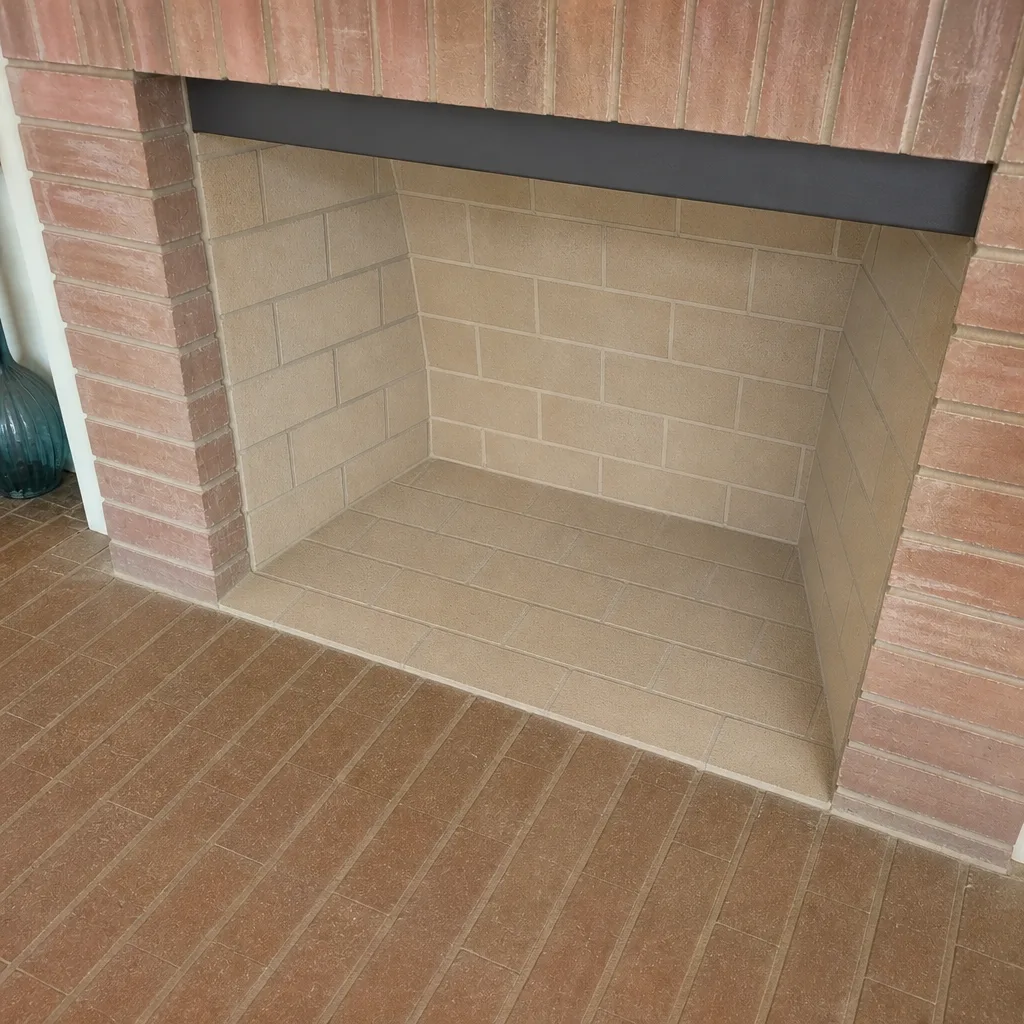
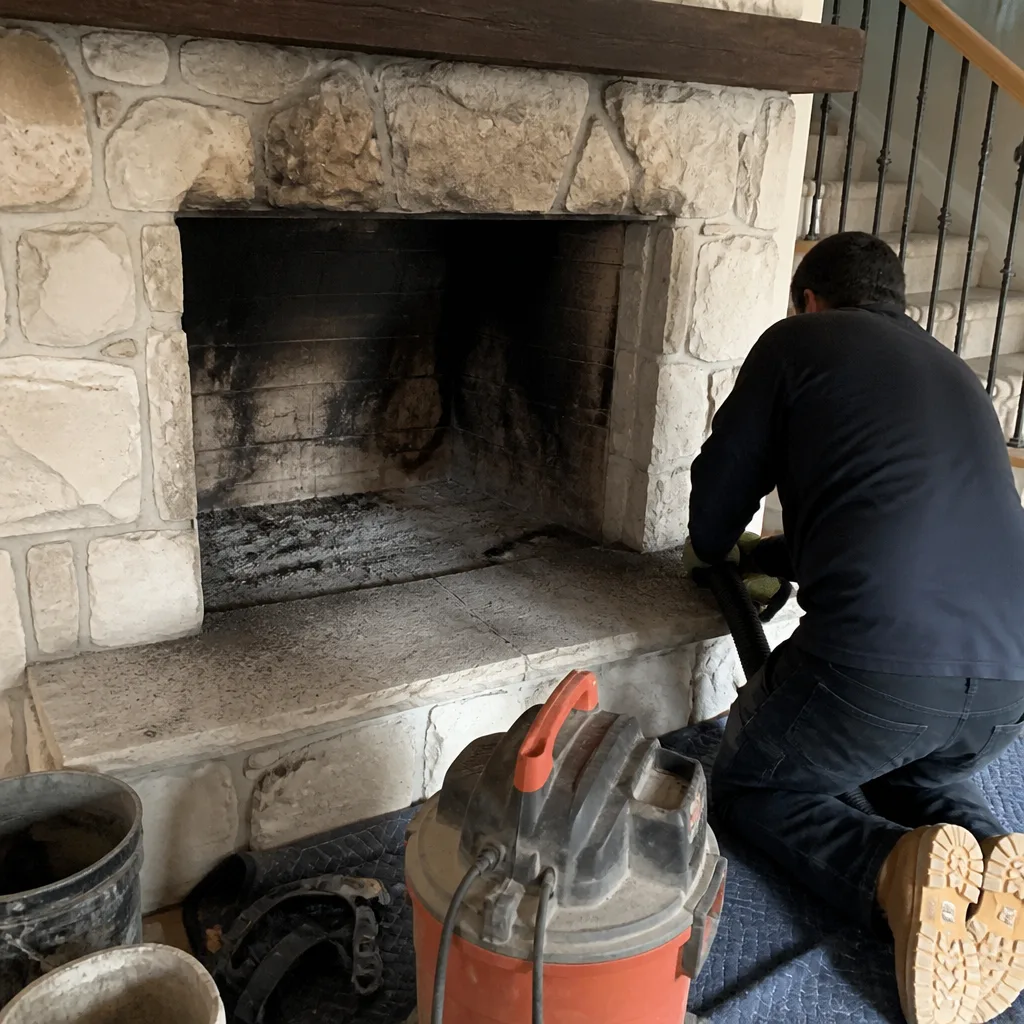
See the difference
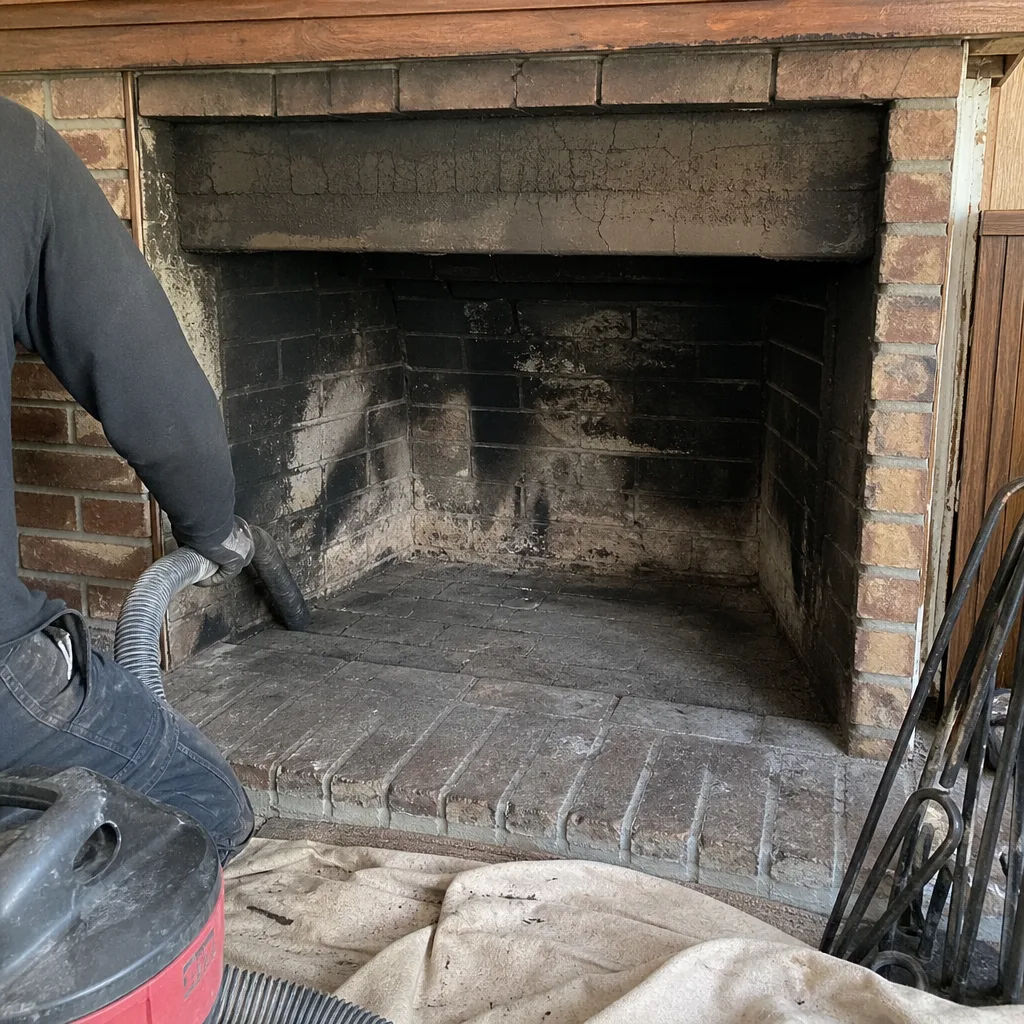 Before
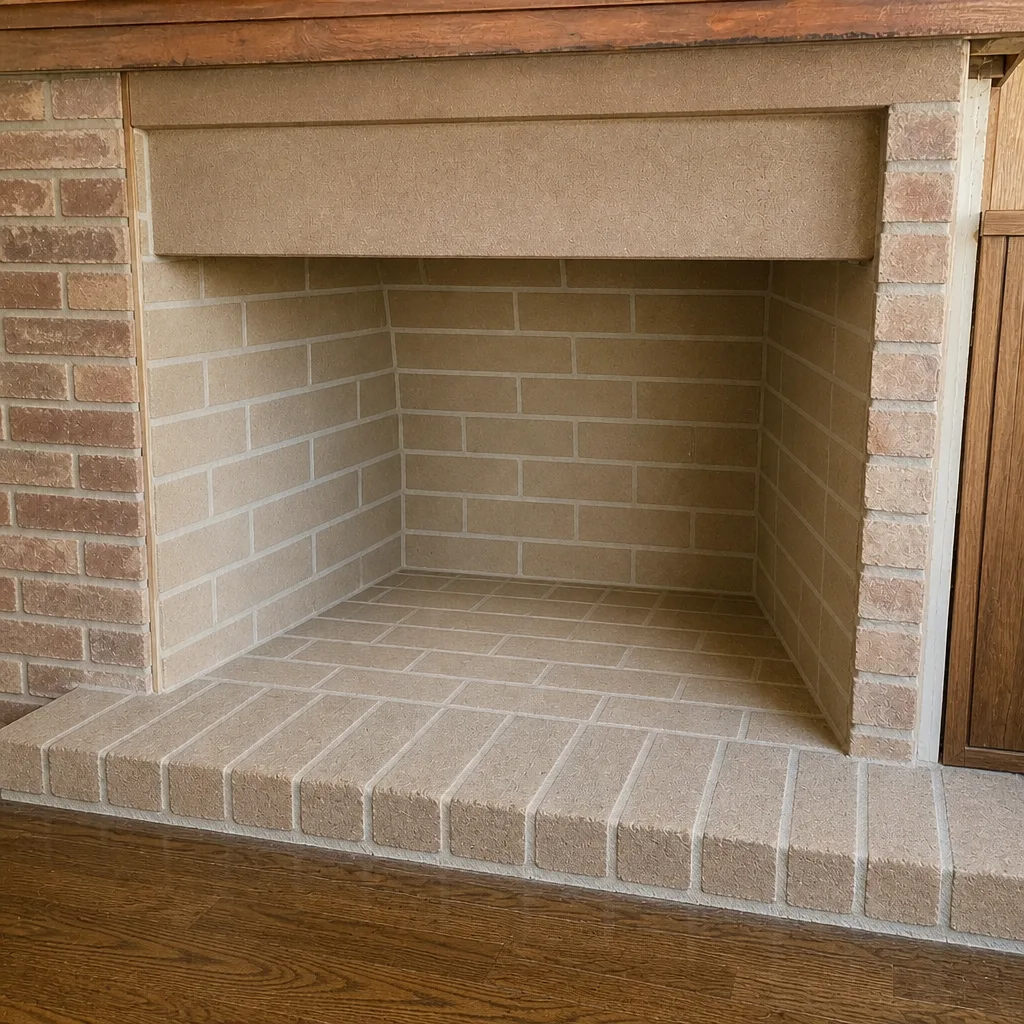 After
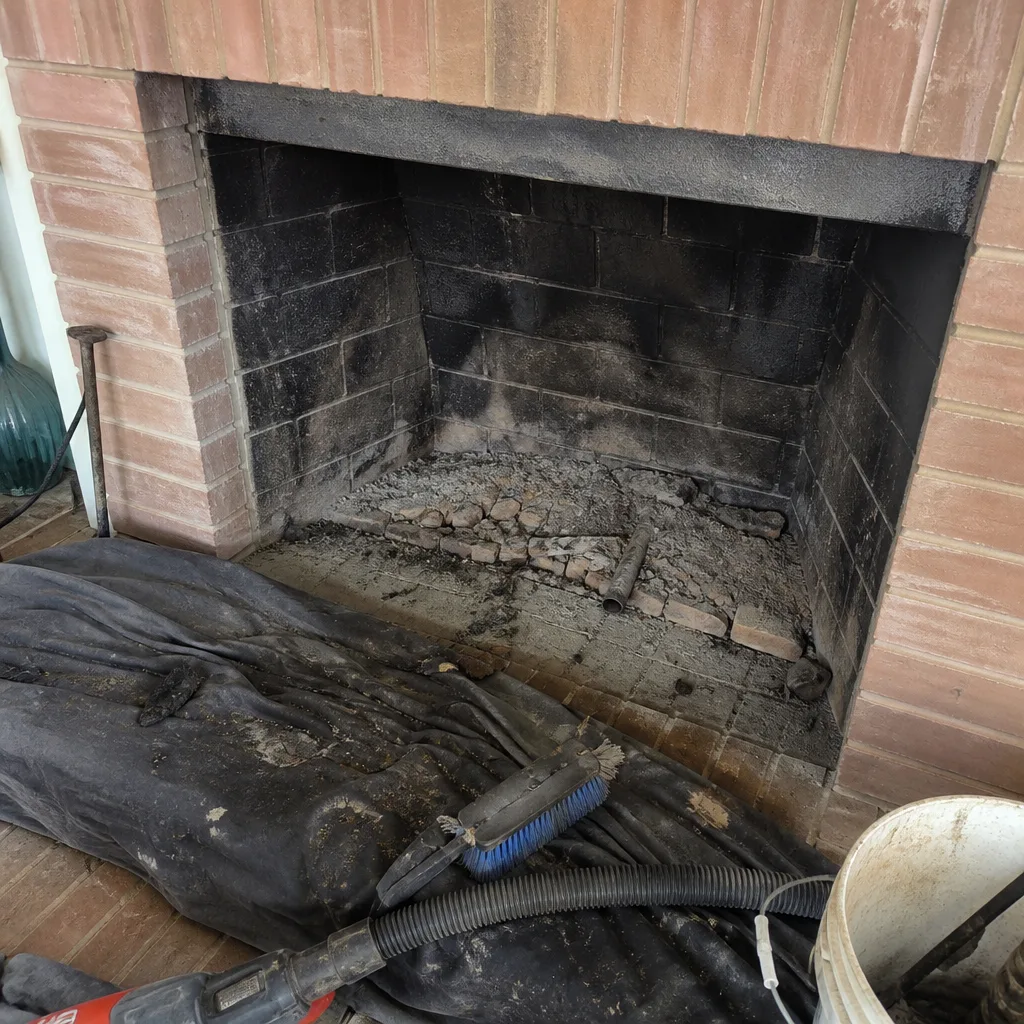 Before
 After
 Before
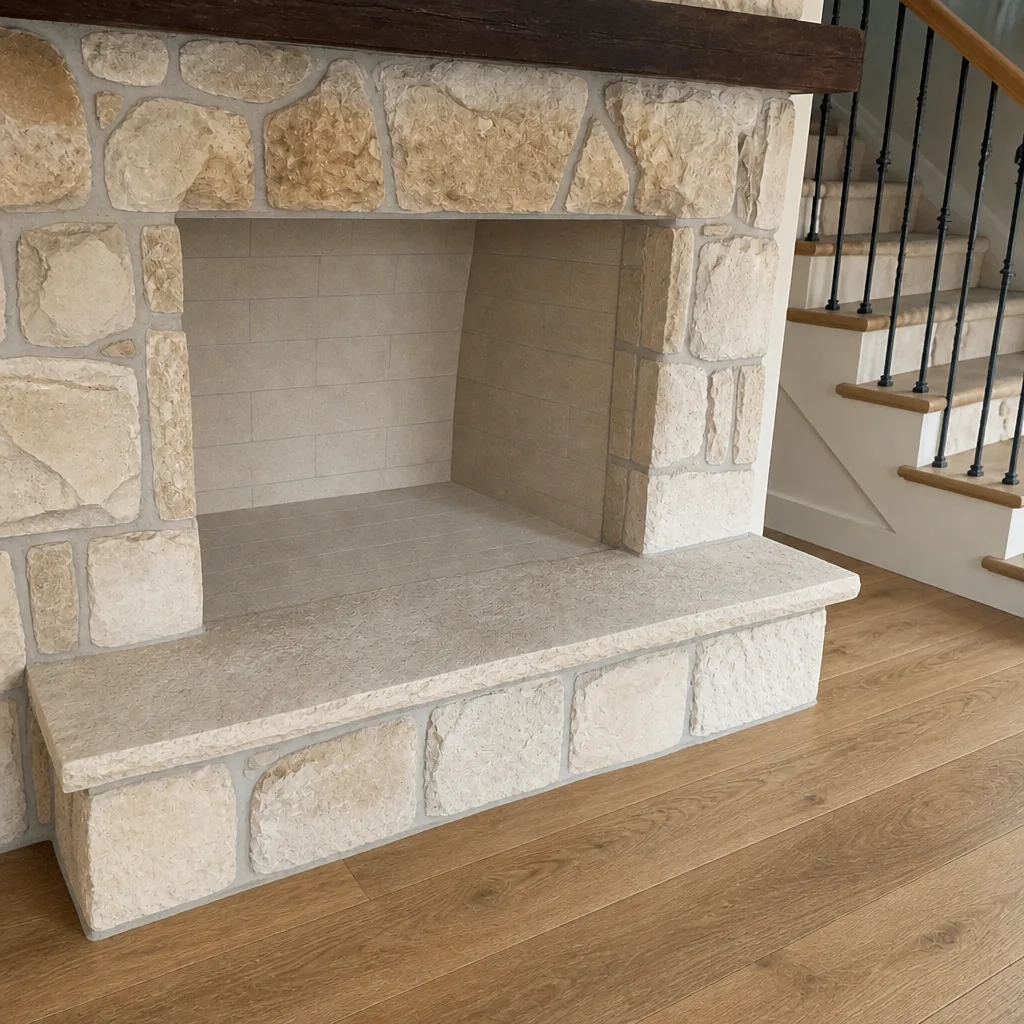 After