
Last updated November 5, 2026
 Sweep & inspection
 Caps & crowns
 Flue relining
 Masonry repair
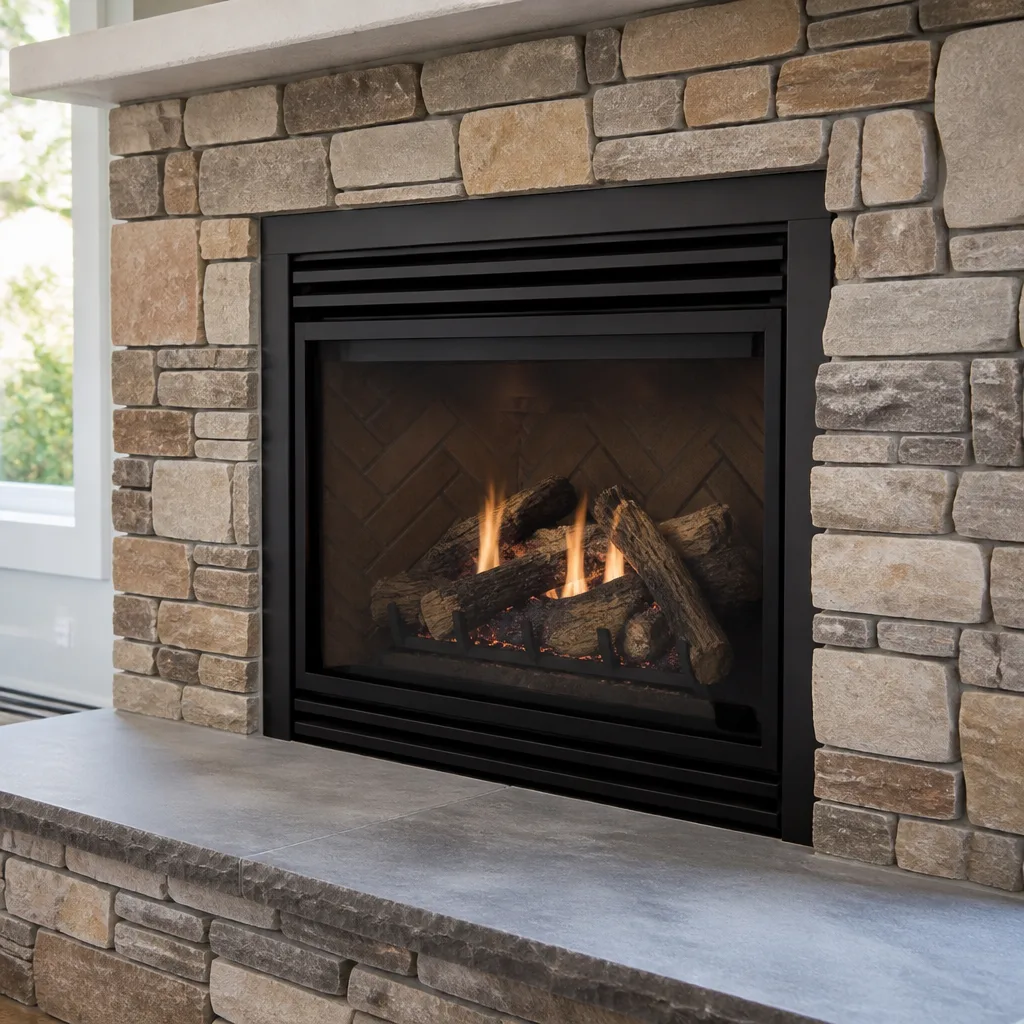 Gas fireplace service
Level 1 sweep and inspection to the NFPA 211 annual standard - flue, crown, cap, and flashing checked and photographed
Chimney sweep logs do not sweep chimneys. They loosen some creosote - which then falls where a brush and vacuum still have to collect it.
Seasonal Chimney Cleaning Care for Laguna Niguel: Year-Round Homeowner’s Guide
Laguna Niguel gets roughly 280 sunny days a year, which is exactly why its chimneys fail in ways that catch homeowners completely off guard. UV degradation of chimney crowns, marine layer moisture that sits against masonry each morning, and wildfire ash accumulation are all season-specific problems with no national playbook. Most chimney advice online assumes four distinct seasons with snow, ice, and freezing temperatures. That advice does not apply here. What you’re about to read is a season-by-season maintenance framework built around the environmental calendar that actually shapes Laguna Niguel homes, so you can stay ahead of damage instead of reacting to it.
Styles & brands we work with
- Sweep & inspection
- Caps & crowns
- Flue relining
- Masonry repair
- Gas fireplace service
Quick Answer
Seasonal chimney care in Laguna Niguel means scheduling one chimney sweep after wildfire season ends in spring, checking for UV damage and pest nesting during summer, booking preventive maintenance before Santa Ana winds arrive in fall, and addressing moisture intrusion during the winter rain months. A single annual service call timed for late spring or early summer addresses most seasonal concerns efficiently. The goal is catching liner surface damage, crown cracking, and cap corrosion before they require expensive repairs.
Table of Contents
- Spring: The Post-Fire-Season Clean
- Summer: UV Exposure and Pest Nesting
- Fall: The Santa Ana Risk Window
- Winter: Moisture Intrusion During Mild Rain Season
- How to Build a Single Annual Service Call
- Signs Your Chimney Needs Attention Between Scheduled Visits
- Common Mistakes to Avoid
- When to Call a Professional
- Frequently Asked Questions
- The Bottom Line
Spring: The Post-Fire-Season Clean
In most of the country, spring chimney cleaning is about clearing out a winter’s worth of creosote. Here, the equation is different. Wildfire season in Southern California typically runs from late summer through fall, and depending on how close fires burn, fine ash and particulate matter can drift for miles. That ash does not simply dissipate. It settles inside chimney flues, coats liner surfaces, and mixes with existing creosote deposits from your own fireplace use. The mixture forms a stubborn, sometimes acidic residue that a standard pre-season sweep does not address the same way.
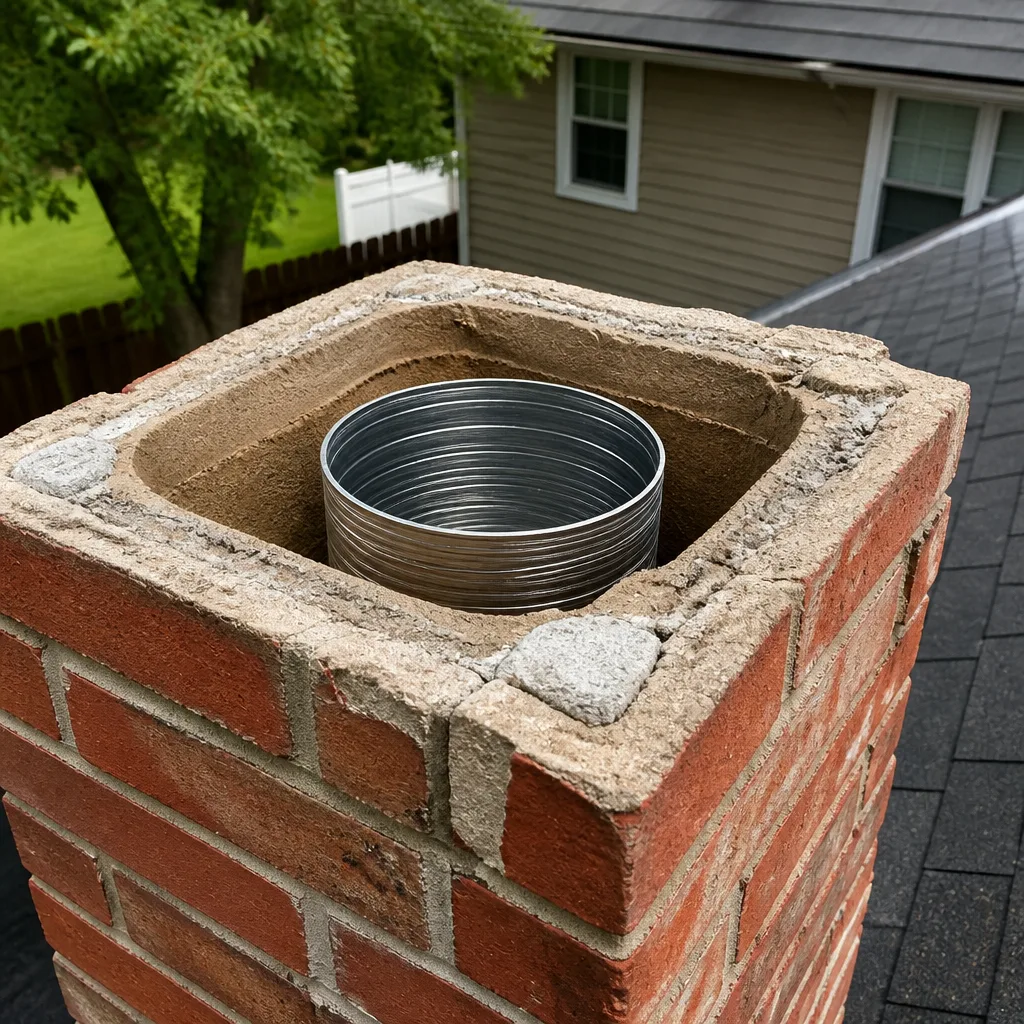
A thorough chimney sweep in spring serves a different function than a pre-winter cleaning elsewhere. You are not preparing for heavy use. You are removing the accumulated byproducts of a fire season you had no control over. We inspect liner surfaces for pitting or etching that can compromise the flue’s integrity, even if you only used your fireplace a handful of times. Ash is abrasive. When it sits against your liner through spring humidity, it can accelerate wear that would otherwise take years to develop.
We apply professional-grade resurfacing materials like HeatShield when we find liner degradation during these spring inspections. HeatShield is a code-compliant ceramic coating that restores deteriorated flue tile without requiring a full liner replacement. It is the kind of material that separates a real repair from a patch-and-go fix, and it is one of the reasons we name our materials instead of asking you to take our word for it.
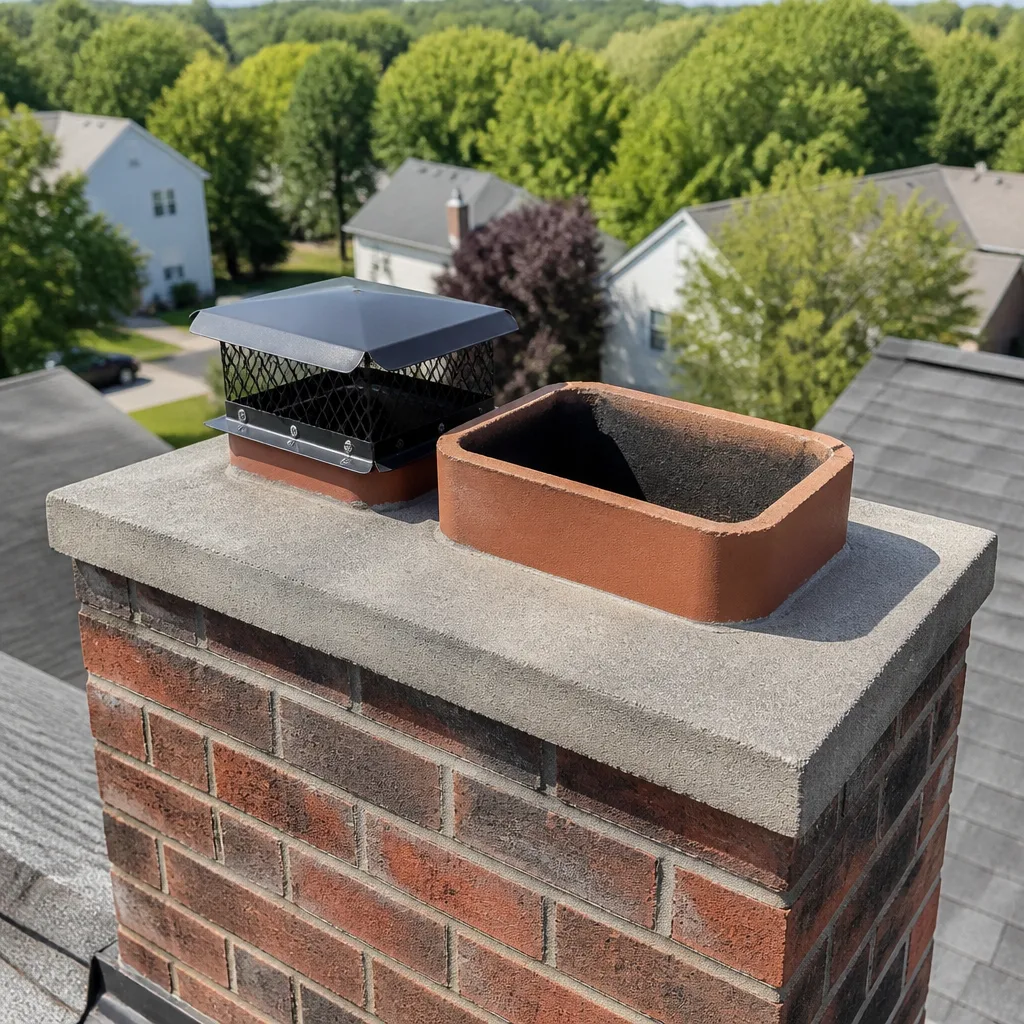
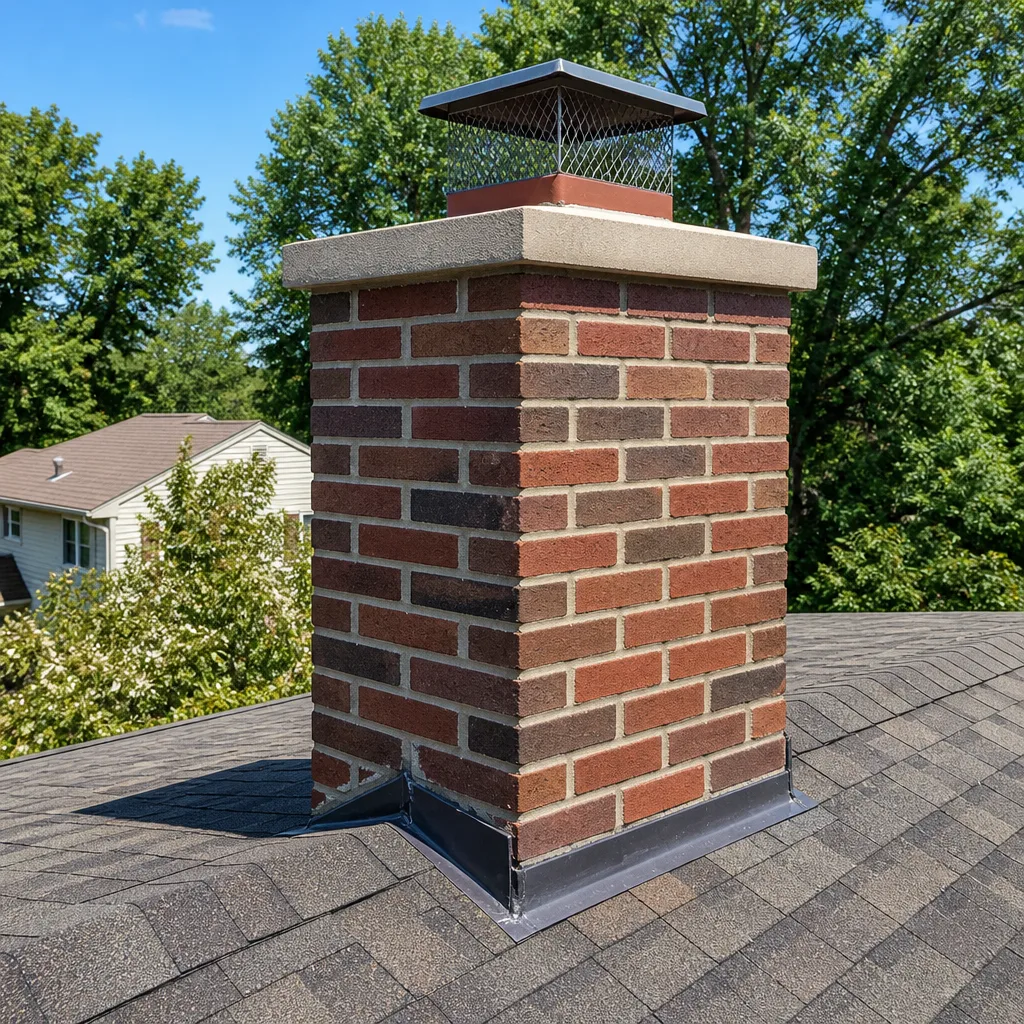
Spring is also the right time to check the chimney crown, the concrete or mortar cap that seals the top of your chimney structure. A full season of direct sun followed by rain can open hairline cracks that let water into the masonry below. Once water gets in, it weakens the mortar joints and accelerates spalling, the flaking and crumbling you sometimes see on older brick chimneys. Catching crown cracks in spring gives you the whole mild season to fix them before next winter’s rain.
Summer: UV Exposure and Pest Nesting
Laguna Niguel summers are not just warm. They are relentlessly sunny, and ultraviolet radiation is the single most underrated threat to chimney systems in this climate. The crown, the cap, and any exposed metal flashing sit under direct UV for months at a time. Chase covers, which seal the tops of factory-built chimneys, are particularly vulnerable. Most are made of galvanized steel with a painted finish. After enough UV exposure, that finish fails, the steel corrodes, and you end up with a rusted cover that lets water drip directly into your firebox.
We use Famco venting components when replacing chase covers, caps, and other metal terminations. Famco products are precision-engineered for professional HVAC and chimney applications, not the thin-gauge substitutes you find at home centers. The difference matters in a climate where sun damage is the primary failure mode. A properly spec’d chase cover can last years longer than a generic replacement.
Summer is also peak nesting season. Birds, squirrels, and occasionally rats look for dark, protected openings, and an uncapped or damaged chimney flue is exactly that. Nests inside a flue do three things. They obstruct airflow, which pushes carbon monoxide back into your home when you eventually light a fire. They introduce flammable material into a space designed to contain high heat. And they attract pests that can work their way into other parts of your house. A chimney cap with proper screening installed in summer solves all three problems before they start.
Finally, summer is when we recommend paying attention to your dryer vent. With air conditioning running and windows closed, dryer exhaust has nowhere to go but through the vent, and any restriction compounds quickly. Lint buildup in the dryer vent is one of the leading causes of house fires in the United States, and it is a problem that most chimney companies do not even address. Our dryer vent cleaning service is part of what we do because your whole venting system, not just your fireplace, determines how safely your home operates.
Fall: The Santa Ana Risk Window
For Laguna Niguel homeowners, fall is the most misunderstood season for chimney care. The instinct is to wait until it gets cold, then book a sweep in November or December. That instinct is backwards. Santa Ana wind events, which typically begin in September and peak in October, create the highest-risk conditions of the year for any chimney that has not been properly maintained. Dry winds, low humidity, and airborne debris combine with whatever is sitting in your flue, and if you light that first fire of the season under those conditions, you are testing a system that has not been checked since spring.
Booking in August beats booking in October. Here is why. Chimney sweeps across Southern California get flooded with requests in October and November, right when everyone remembers their fireplace exists. By August, you have the scheduling flexibility to get a thorough inspection, complete any necessary repairs, and have your system ready before the first cool night arrives. You also avoid the compressed demand window that can push simple cleanings into multi-week waiting periods.
Fall is when we recommend a pre-season inspection that focuses on three things. The cap and crown, which need to be intact to keep Santa Ana-driven debris out during wind events. The damper, which should open, close, and seal properly before you need it. And the firebox, where cracks in the refractory panels or mortar joints can allow heat to reach combustible framing. None of these are expensive to address early. All of them become expensive when ignored.
If you have a gas fireplace, fall is also the time to verify the venting is clear and the log set is positioned correctly. Gas fireplaces produce less visible wear than wood-burning units, but they still require annual inspection. A blocked or partially obstructed gas vent is a carbon monoxide risk, and carbon monoxide has no smell, no taste, and no visual warning.
Winter: Moisture Intrusion During Mild Rain Season
Winter in Laguna Niguel is mild by any national standard. Daytime highs stay comfortable, and the rain that does arrive comes in short, intermittent bursts rather than sustained storms. That mildness is precisely why moisture intrusion catches homeowners here off guard. When rain is rare, you do not notice a slow leak until it has been working on your chimney for months. A cracked cap that lets a few tablespoons of water in per storm does not produce an obvious drip. It produces a slow, steady deterioration of the mortar, the liner, and eventually the framing around your chimney chase.
Chimney cap corrosion is the most common winter issue we see in this area. Metal caps that looked fine in September show rust by February. The combination of accumulated UV damage from summer and seasonal rain is what does it. Once the protective coating fails, the metal starts failing, and the cap stops doing its only job: keeping water out. Replacing a corroded cap is straightforward. Repairing water damage inside a chimney that went uncapped through a full rain season is not.
Masonry water intrusion works on a longer timeline. Water that enters through small crown cracks or deteriorating mortar joints saturates the brick. When temperatures fluctuate, even modestly, the moisture expands and contracts within the masonry. Over years, this causes spalling, efflorescence, the white mineral deposits you sometimes see on the outside of brick chimneys, and structural weakening. You do not need freezing temperatures for water to damage masonry. You just need water, time, and repeated cycles of wetting and drying.
Winter is also when we recommend checking the interior of your firebox for water staining after rain. A dark stain at the back of the firebox or rust on the damper hardware tells you water is getting in somewhere, even if you cannot see where. Finding that in January gives you months to address the issue before the next rain season starts, and before the problem compounds.
How to Build a Single Annual Service Call
Here is a step-by-step approach to building one annual service call that addresses all four seasonal concerns efficiently. The key is timing. When you book matters as much as what you book.
- Schedule for late spring or early summer. This positions your annual service after wildfire season has ended and before the summer pest and UV season peaks. You get the post-season clean you need while there is still time to complete repairs before fall.
- Request a full-system inspection, not just a sweep. The inspection should cover the flue liner, the crown, the cap, the damper, the firebox, and the exterior masonry. A sweep that does not include these checks leaves you with a clean chimney and no idea whether it is actually safe.
- Ask for photo documentation. Any legitimate chimney service should be able to show you exactly what they found, not just tell you. We believe nothing should be recommended without camera evidence you can see for yourself, and we say plainly when work can safely wait. The written estimate should reflect what the photos show.
- Address dryer vent cleaning in the same visit. If your dryer vent has not been cleaned in a year or more, one call covers it. Your chimney sweep and your dryer vent are both parts of the same venting system, and servicing them together is more efficient than paying for two separate appointments.
- Complete any repairs immediately. A cracked crown found in June is a small job. The same crack found in January after a rain season is a bigger job. When we identify issues during your annual service, completing the work right away prevents the seasonal cycle from compounding the damage.
In our experience, homeowners who follow this annual rhythm rarely face emergency repairs. The people who call us with water-stained ceilings, smoke backing into the living room, or animals in the flue are almost always the ones who skipped a year or two. The system rewards consistency.
Signs Your Chimney Needs Attention Between Scheduled Visits
You do not need to wait for your annual service to notice that something is wrong. Here are the signs we tell homeowners to watch for in Laguna Niguel specifically.
- A burning smell that is not just wood. If your fireplace produces an acrid, chemical, or unusually strong burning odor, that is often creosote or debris burning off in ways that should not be happening. Stop using the fireplace and schedule an inspection.
- White staining on the exterior brick. Efflorescence means water is moving through your masonry. In a climate with this much sun, moisture should not be lingering in your chimney walls. White deposits are an early warning of deeper water intrusion.
- Rust on the damper or firebox. Rust in the firebox means water is getting past the cap or crown. This is not a cosmetic issue. It means the protective layers above the firebox are compromised.
- Debris falling into the firebox when you open the damper. This indicates nesting material or deteriorating flue tile. Either way, the flue needs to be inspected before you light another fire.
- A sudden increase in lint or longer dry times from your dryer. Your dryer vent is part of your home’s venting system, and restricted airflow is a fire hazard. Dryer vent cleaning is something we handle alongside chimney work for exactly this reason.
- Smoke entering the room instead of going up the chimney. This is almost always an airflow or obstruction problem. It can also indicate a downdraft issue caused by the local topography, which is especially common in hilly areas of Laguna Niguel.
None of these signs should cause panic. They should cause a phone call. Early intervention has a way of turning what could be a $3,000 repair into a $300 one.
Common Mistakes to Avoid
- Waiting until October to schedule. October is the single busiest month for chimney services in Laguna Niguel, and demand compression means longer waits and less scheduling flexibility. Booking in August gives you priority and leaves time for repairs before the first fire.
- Assuming gas fireplaces do not need service. Gas fireplaces produce less creosote than wood, but they still produce carbon monoxide and still rely on unobstructed venting. A blocked gas vent is a carbon monoxide risk, full stop.
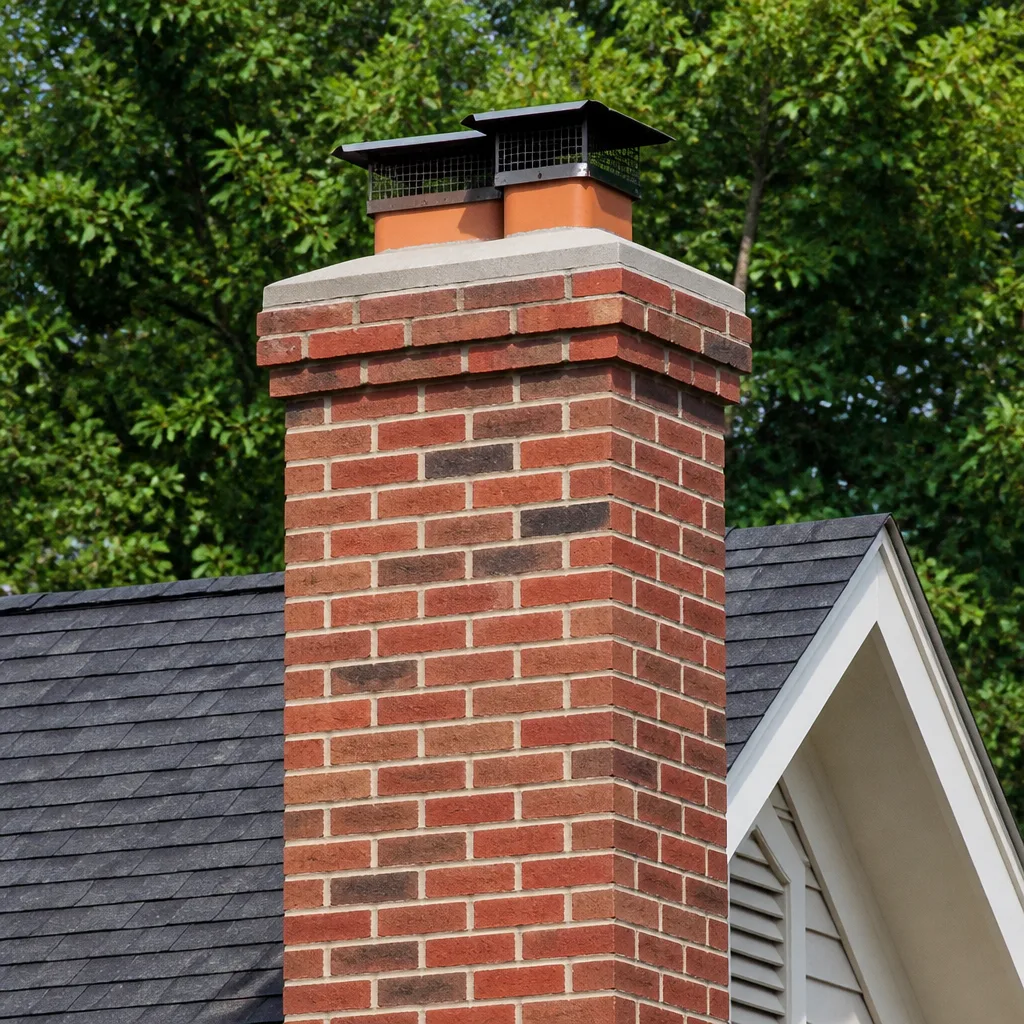
- Ignoring the chimney cap. The cap is the one component that protects everything below it. In this sunny, wind-prone climate, caps fail regularly. They are cheap to replace and expensive to ignore.
- Treating a chimney sweep as a checklist item instead of an inspection. A sweep that does not include a visual inspection of the liner, crown, and firebox is incomplete. The goal is not just a clean chimney. The goal is a chimney you know is safe.
- Forgetting the dryer vent. Your dryer vent is a leading cause of residential fires, and it lives in the same general category of neglect as your chimney. Addressing both in a single service call is more than a convenience. It is a deliberate safety measure.
- Deferring a repair the inspector flagged as urgent. We never recommend work without photo evidence, and we are honest when work can wait. But when we show you a cracked crown or a corroded cap and say it needs addressing, the calendar is not on your side. Rain will come.
- Using a big-box chimney cap or damper as a DIY fix. The parts sold at hardware stores are not built to the same specification as professional-grade components. We source through Olympia Chimney and Copperfield, two of the chimney industry’s most comprehensive professional supply networks, for a reason.
When to Call a Professional
Call a professional when you see water staining in the firebox, when smoke backs into the room, when you find nesting material or hear animals in the flue, when you notice white staining or spalling on exterior brick, or when your dryer vent has not been serviced in over a year. Call before you light the first fire of the season if you did not have an inspection in the spring. Call when your home inspector flags chimney concerns during a purchase. Chimney Sweep Laguna Niguel offers free estimates in Laguna Niguel. Call (866) 321-6650. We answer 24/7. Fast dispatch from 7am to 7pm, Sunday through Friday.
Frequently Asked Questions
Once a year is the right cadence for most Laguna Niguel homes, and the spring or early summer timing is what matters most. A post-fire-season sweep in spring clears the ash and particulate that wildfire season leaves behind, and it positions you to complete any repairs before fall. Call (866) 321-6650 to schedule your annual service. We answer 24/7.
Skipping a season means moisture, debris, or creosote problems compound without anyone noticing. A cracked crown that would have been a simple repair in June becomes a water-damaged masonry problem by winter. A partially blocked flue from nesting that would have been discovered in summer becomes a smoke-backup or carbon monoxide issue in fall. The price of deferred maintenance is almost always higher than the price of consistent care. Call (866) 321-6650 for a free estimate and a professional inspection.
Yes, and the difference is in what you are protecting against. Rather than creosote buildup from heavy winter use, you are dealing with UV degradation of the crown and cap, moisture intrusion from intermittent rain, and wildfire ash accumulation. A maintenance plan built around those local factors catches damage that generic seasonal advice misses.
We do not recommend it. Chimney sweeping involves working at height, handling potentially hazardous creosote, and identifying liner damage that is not visible to an untrained eye. Professional chimney sweeps use specialized brushes, vacuums, and inspection cameras, and they know what signs of structural compromise look like. The safety risk of DIY chimney work, especially on a roof in Laguna Niguel’s terrain, is not worth the savings. Chimney Sweep Laguna Niguel offers free estimates, so the cost of finding out what your chimney needs is zero.
It is part of the same safety conversation. Your dryer vent and your chimney are both venting systems that move heat, moisture, and combustion byproducts out of your home. Lint buildup in a dryer vent is one of the leading causes of house fires, and it is a problem that traditional chimney companies do not address. Our dryer vent cleaning service means one call covers both systems. Call (866) 321-6650 for a free estimate.
August is the best month to book in our experience. It is late enough that you are preparing for the coming Santa Ana and fire season, but early enough that you avoid the October scheduling crunch. An August booking gives you time to complete repairs before you need the fireplace, and it means you are not waiting weeks for an appointment during the busiest period of the year. Call (866) 321-6650 to check current availability. We answer 24/7. Fast dispatch from 7am to 7pm, Sunday through Friday.
The Bottom Line
Chimney care in Laguna Niguel is not a winter chore. It is a year-round practice built around a local environmental calendar that most national advice ignores. Wildfire ash accumulates in spring. UV radiation attacks crowns and caps in summer. Santa Ana winds raise the stakes in fall. Mild winter rain finds every crack that went unnoticed all year. A single annual service call timed for late spring or early summer addresses all four seasons efficiently, and a professional who inspects the full system, names their materials, and shows you the photo evidence is the difference between a clean chimney and a safe one. In Laguna Niguel, the homeowners who stay ahead of the calendar are the ones whose chimneys quietly do their job for decades.
Written by the team at Chimney Sweep Laguna Niguel, serving Laguna Niguel since 2014.
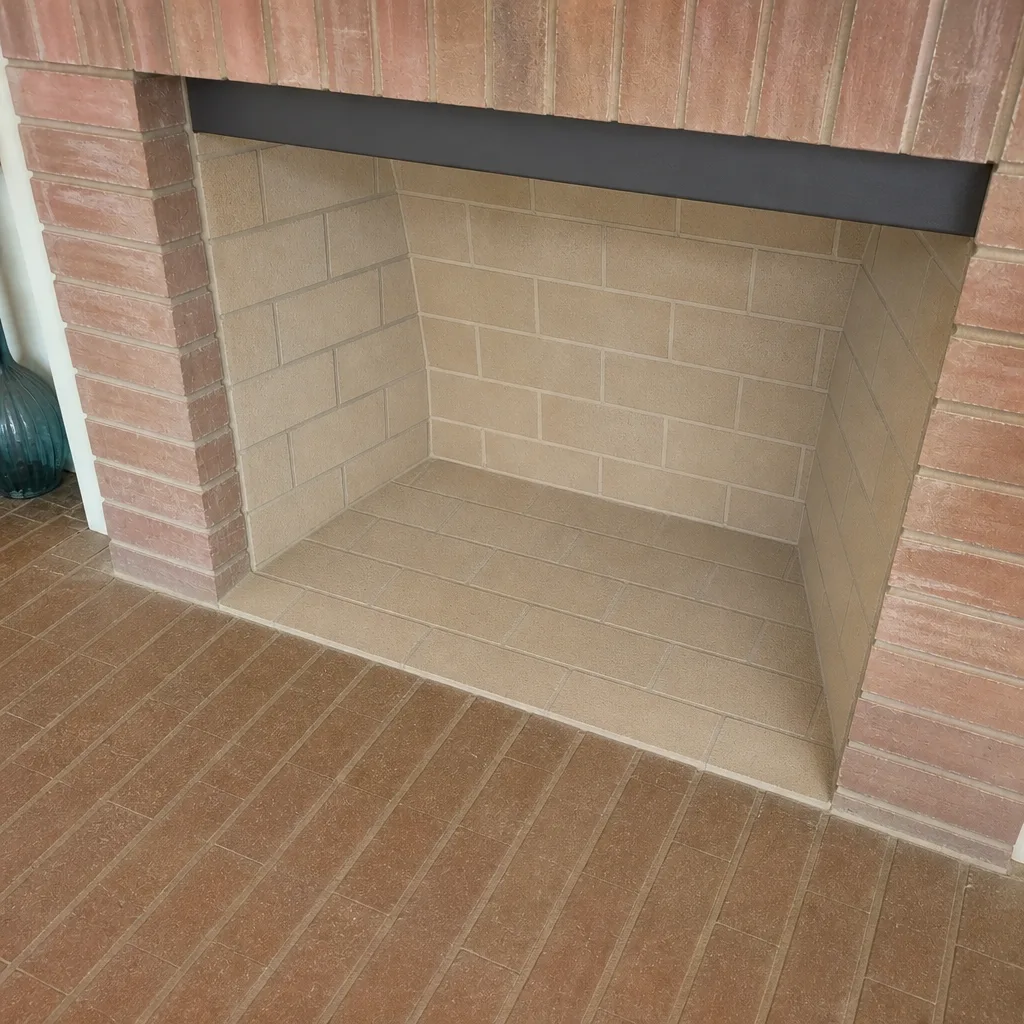
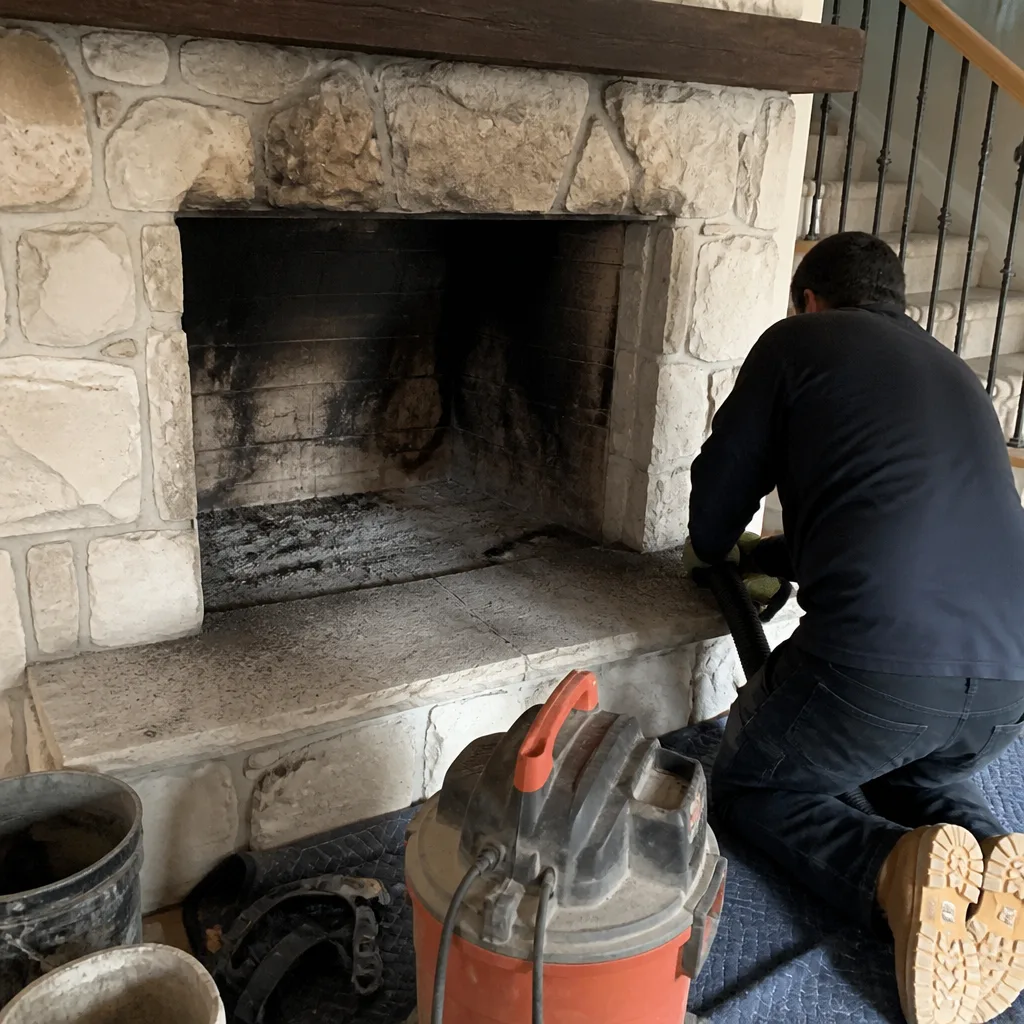
See the difference
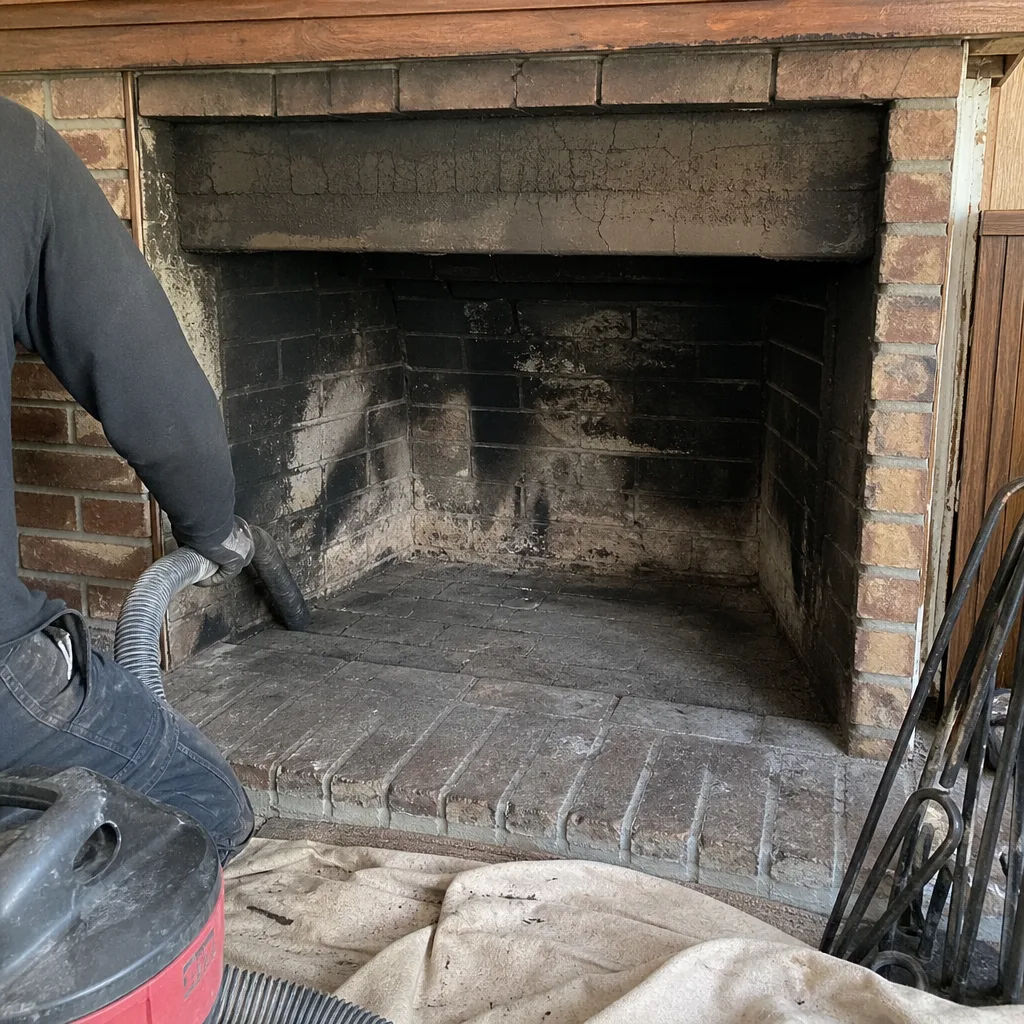 Before
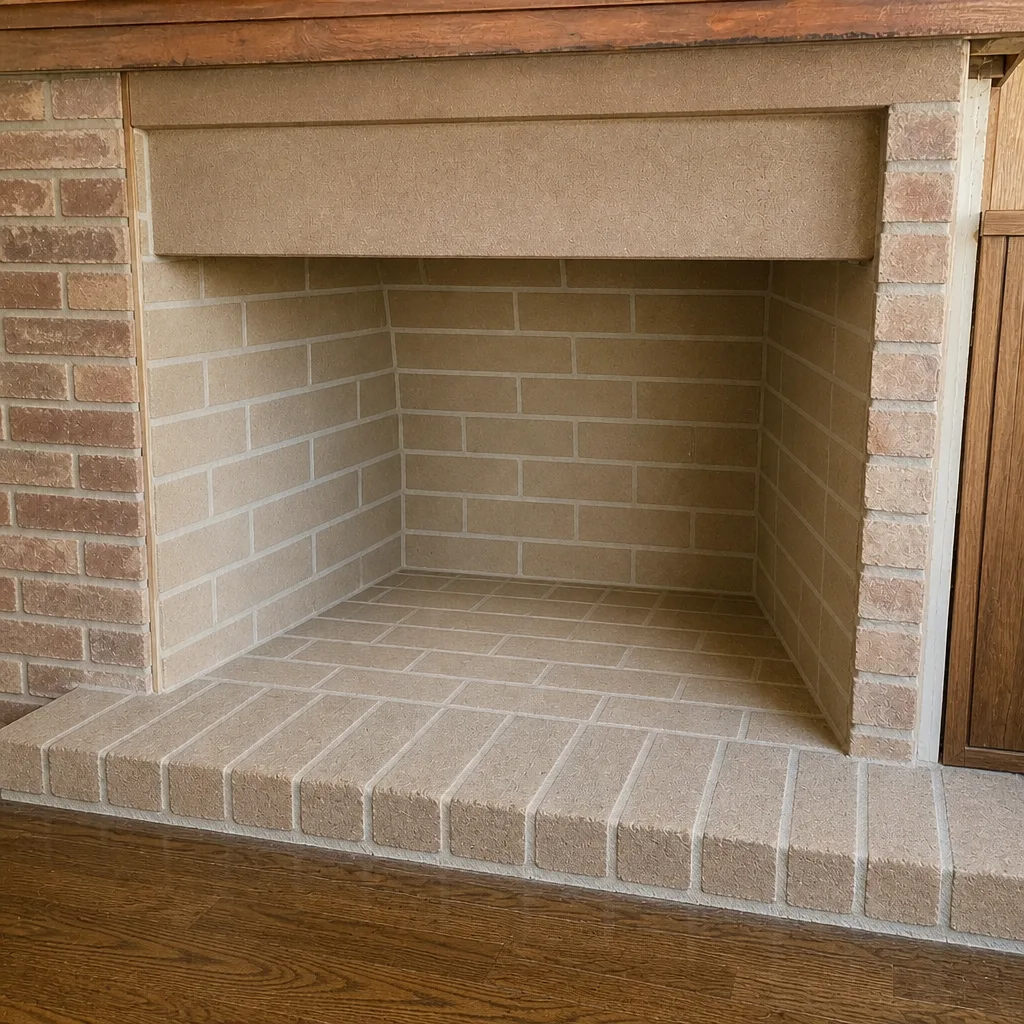 After
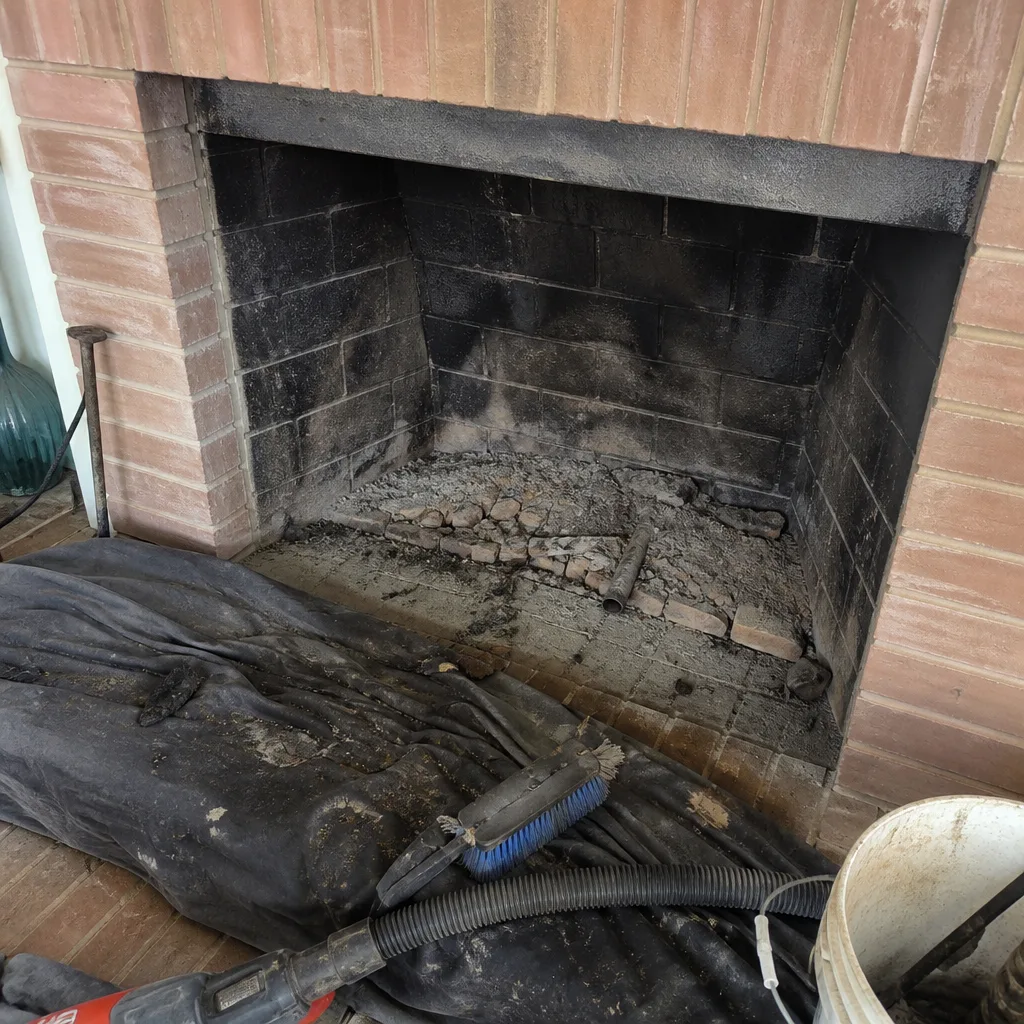 Before
 After
 Before
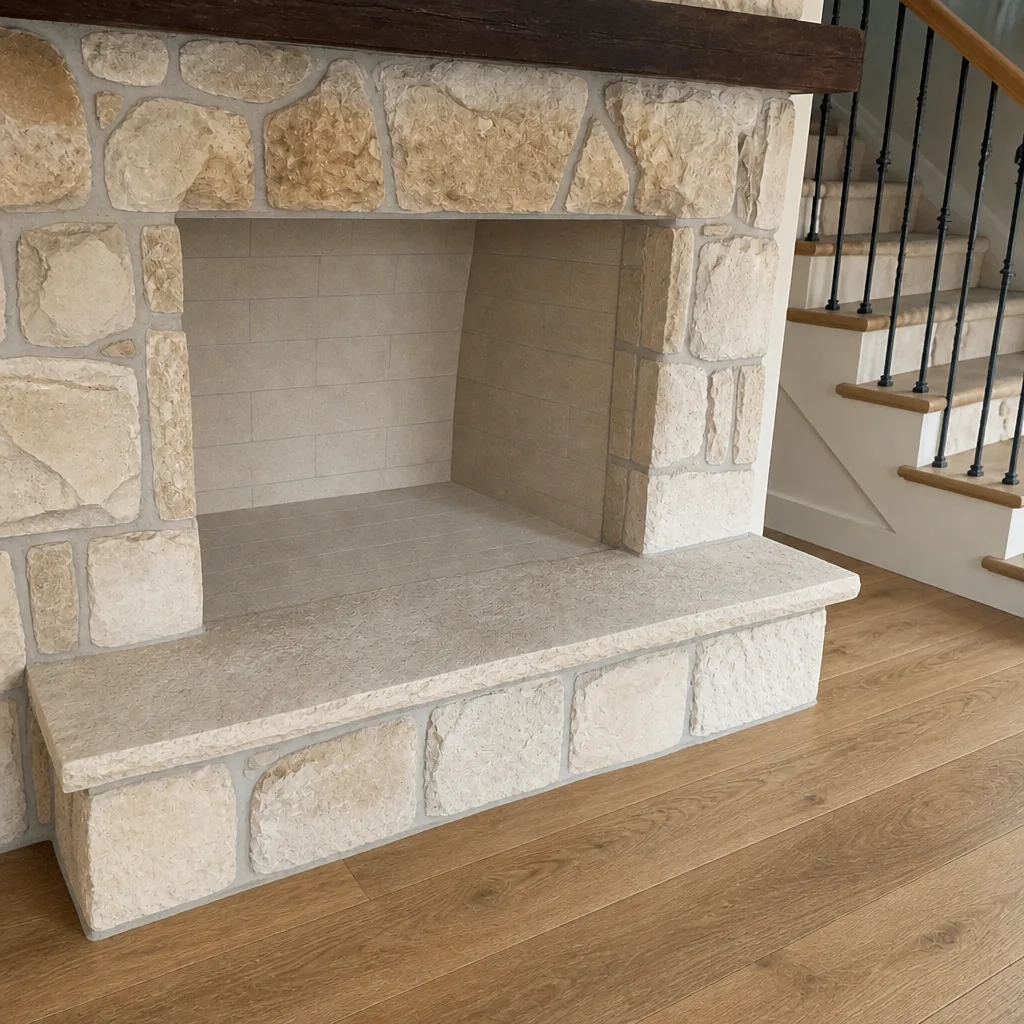 After