
Last updated November 5, 2026
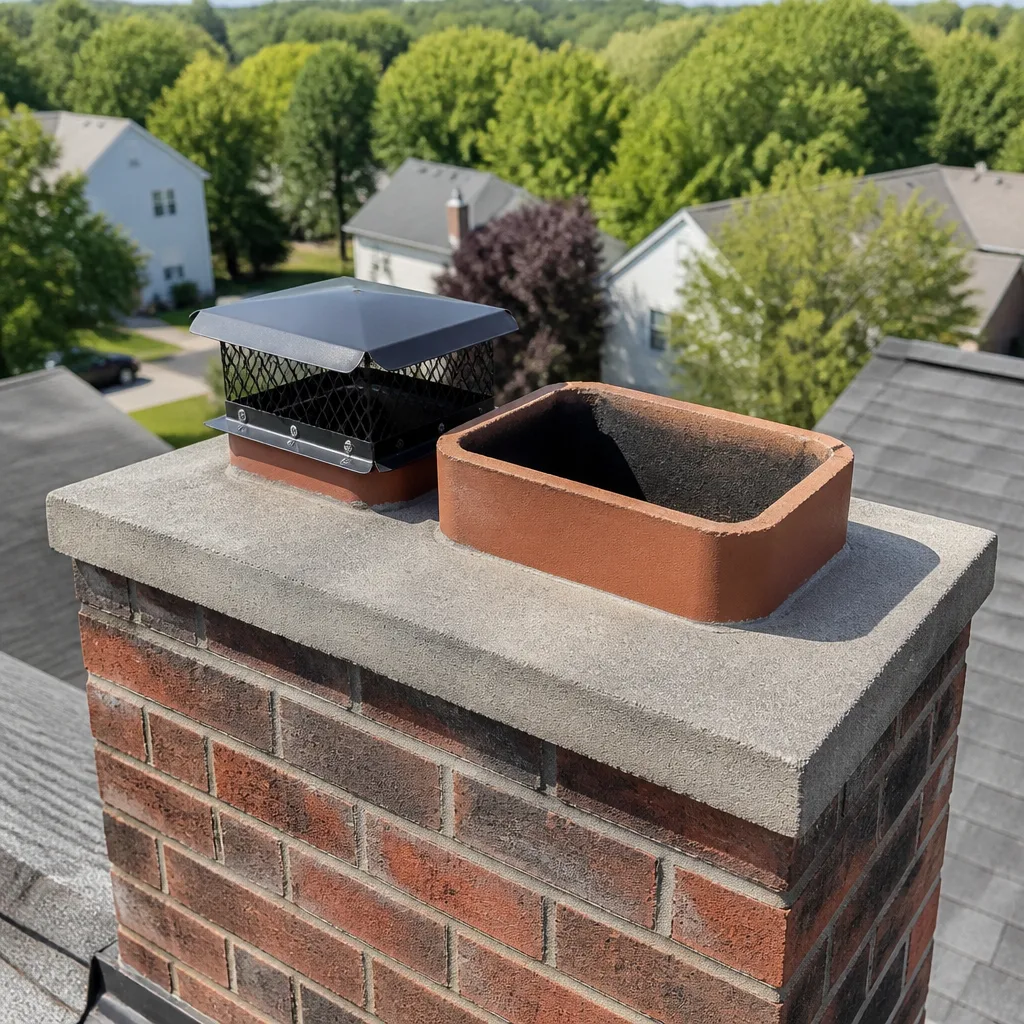 Sweep & inspection
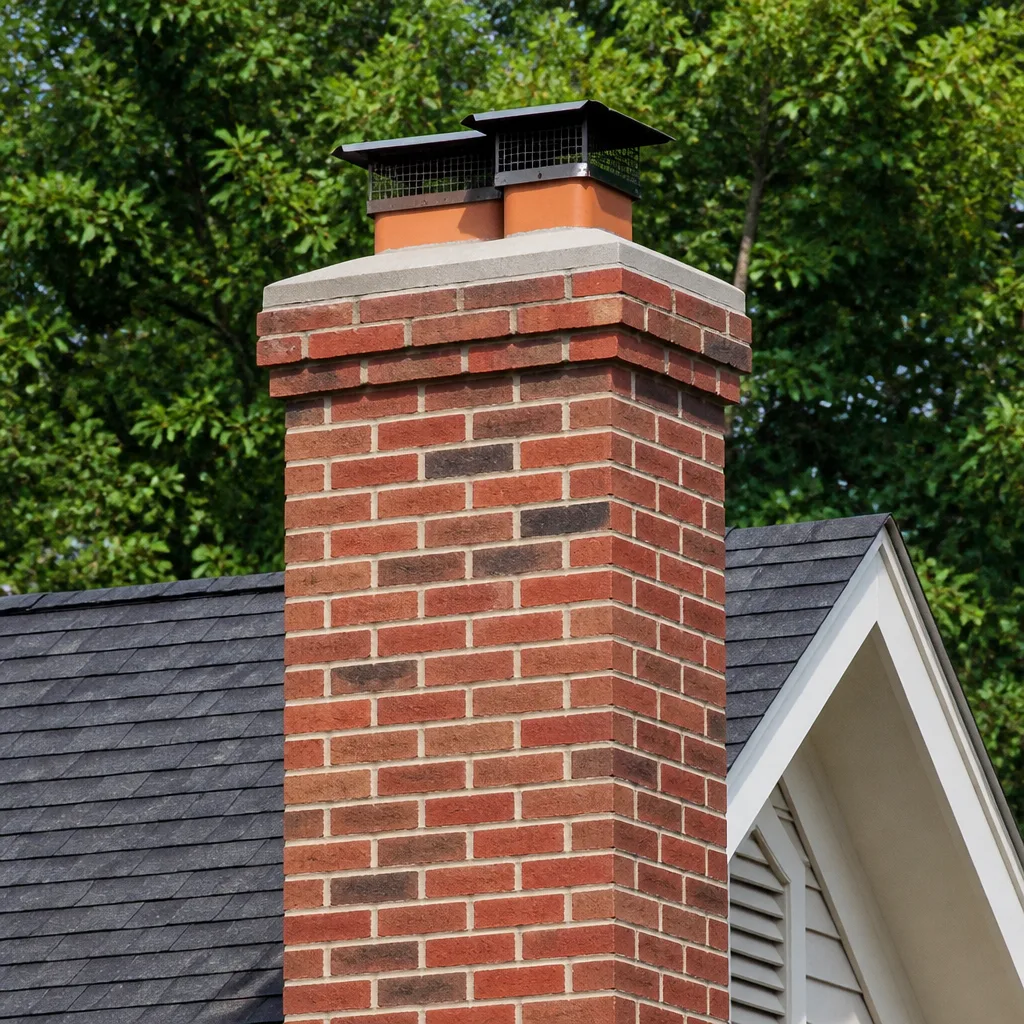 Caps & crowns
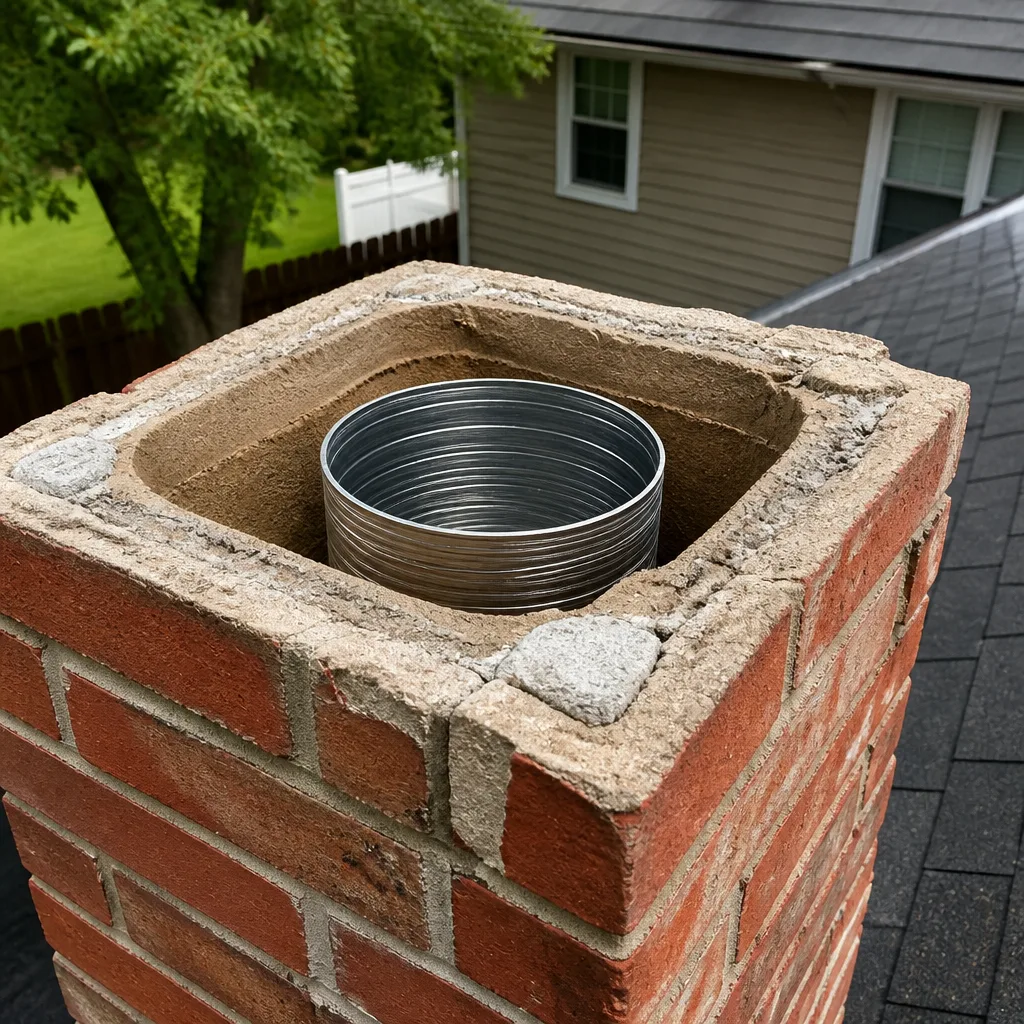 Flue relining
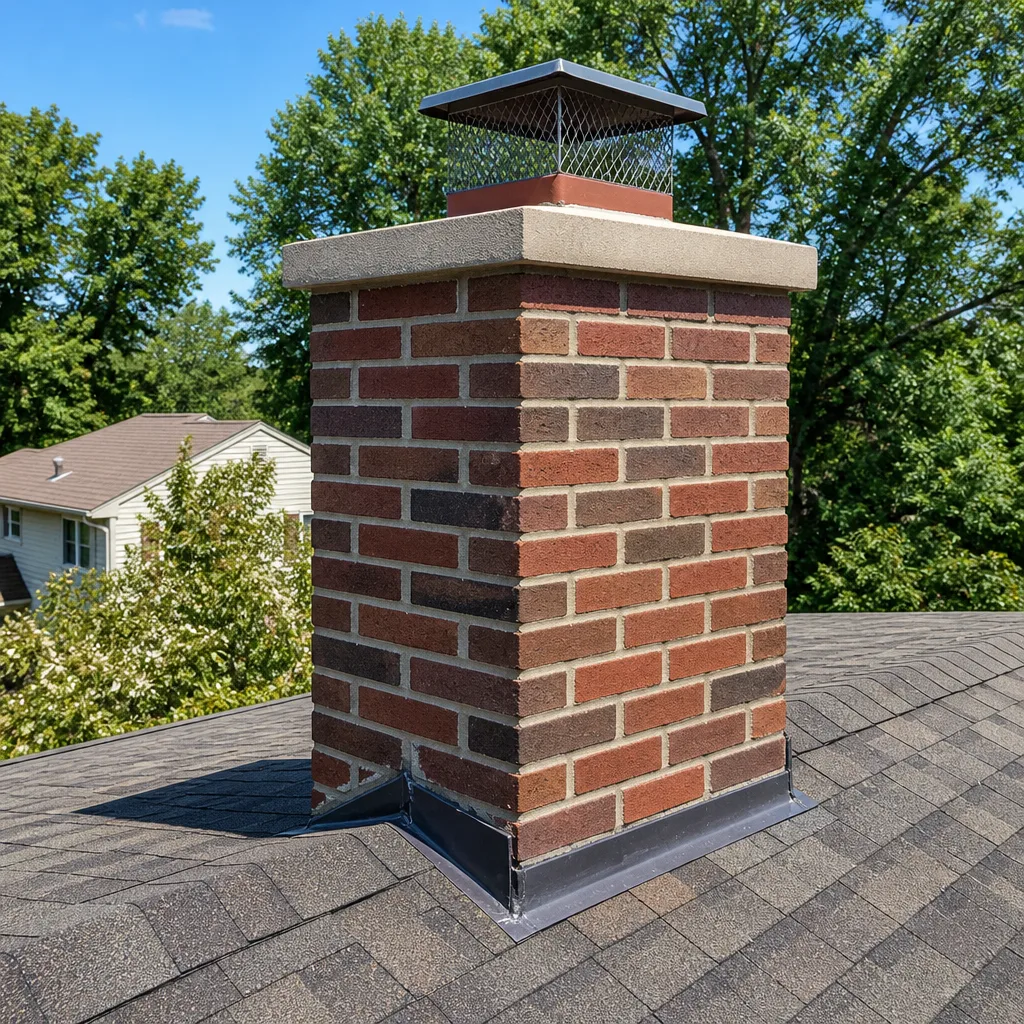 Masonry repair
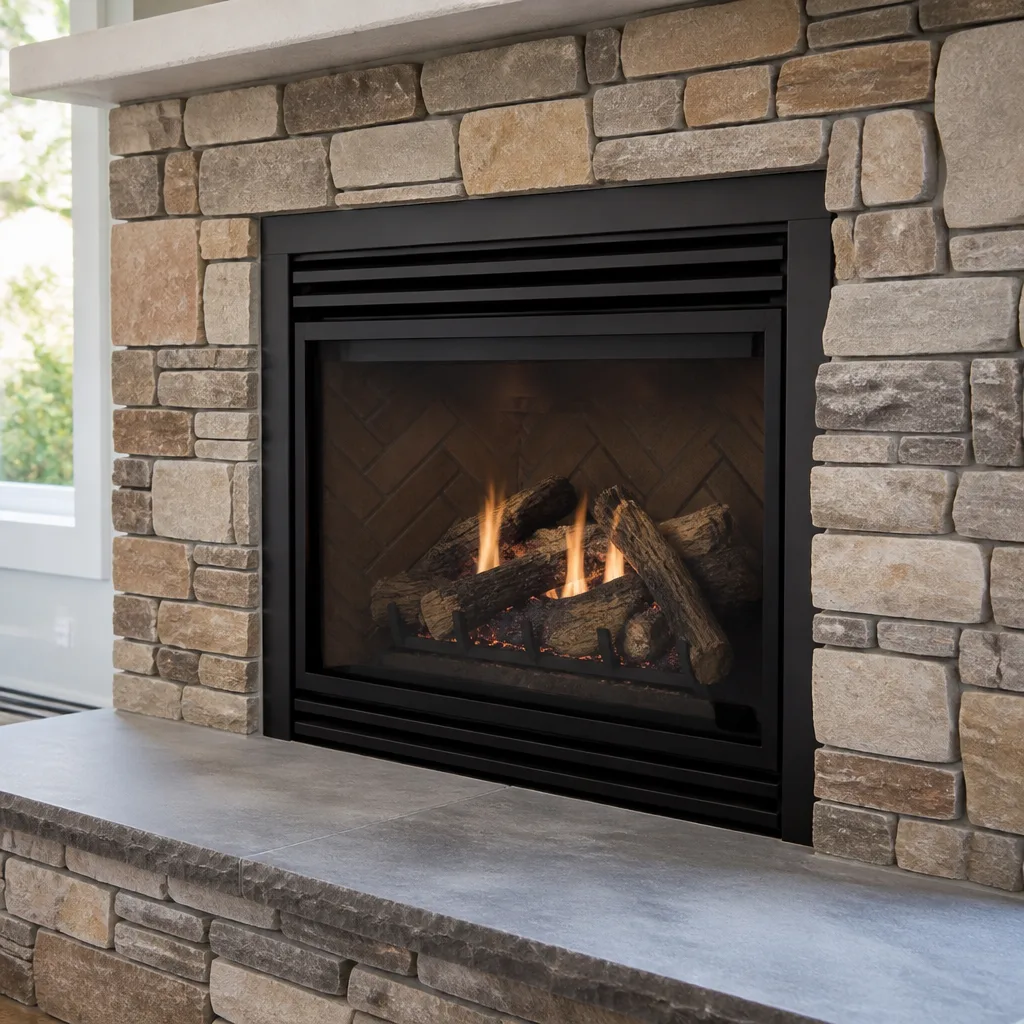 Gas fireplace service
Level 1 sweep and inspection to the NFPA 211 annual standard - flue, crown, cap, and flashing checked and photographed
Chimney sweep logs do not sweep chimneys. They loosen some creosote - which then falls where a brush and vacuum still have to collect it.
Chimney Cleaning Emergency Preparedness Guide for Laguna Niguel Homes
A chimney fire burns at over 2,000°F and is often finished before fire crews arrive. The roaring sound you hear from the flue is the fire consuming creosote that has been accumulating for months or years. What you do in the 90 seconds after you recognize that sound determines whether the fire stays contained in the chimney or spreads into your attic and roof structure. This guide walks through the exact response protocol for Laguna Niguel homeowners, what happens after the fire department leaves, and the preparation steps that reduce your exposure before an emergency ever starts.
Quick Answer
Chimney emergency preparedness in Laguna Niguel means knowing the 90-second response protocol for an active chimney fire (close the damper if you can do so safely, evacuate, call 911), scheduling a Level 2 inspection before reusing the fireplace after any fire event, and maintaining a system of prevention: an annual chimney sweep, a fitted chimney cap, a working damper, and functioning carbon monoxide detectors on every floor.
Styles & brands we work with
- Sweep & inspection
- Caps & crowns
- Flue relining
- Masonry repair
- Gas fireplace service
Table of Contents
- The 90-Second Chimney Fire Response Protocol
- What Happens After the Fire Department Leaves
- Wildfire Ember Intrusion: Assessing Your Flue After a Nearby Fire
- Pre-Season Emergency Readiness for Laguna Niguel Homes
- Carbon Monoxide and Chimney Function: What You Need to Know
- The Dryer Vent Parallel: A Second Combustion Risk in Your Home
- Common Mistakes to Avoid
- When to Call a Professional
The 90-Second Chimney Fire Response Protocol
Chimney fires rarely announce themselves politely. The signs are often sudden: a low rumbling that grows into a roar, visible flames shooting from the chimney top, or dense smoke filling the room even with the damper open. In Laguna Niguel, where many homes sit on hillside lots with limited fire department access, the first minute of response matters even more.
Here is the protocol, in order:
- Close the damper if you can reach it safely. This cuts the oxygen supply feeding the fire. Do not reach through flames or extreme heat to do this.
- Get everyone out of the house. Do not stop to gather belongings. Do not go into the attic to check on things.
- Call 911 from outside. Tell the dispatcher you have an active chimney fire. This alerts fire crews to the specific nature of the emergency and the possibility of fire extension into walls or the roof.
- Do not open windows. This is the wrong instinct. Opening windows creates a draft that can pull fire and smoke back into the living space and accelerates the airflow through the flue, giving the fire more oxygen.
- Stay outside until fire crews arrive and clear the home.
One thing many Laguna Niguel homeowners don’t realize: chimney fires can smolder inside the flue and masonry for hours after visible flames are gone. Fire crews may use thermal imaging to check for hidden hotspots in wall cavities and attic spaces. Trust that process. A chimney that looks intact from the outside can be structurally compromised inside.
What Happens After the Fire Department Leaves
The fire department says the fire is out. The house is still standing. The natural instinct is to feel relieved and maybe light a fire the next cool evening. Do not do that.
After any chimney fire in Laguna Niguel, the fireplace should not be used again until a certified chimney professional completes a Level 2 inspection. This is not a suggestion. It is the industry standard for post-fire assessment because the fire may have done damage that is invisible from the hearth.
A firefighter can tell you the fire is out. What a firefighter cannot tell you is whether the flue liner has cracked, whether the mortar joints have separated, or whether creosote has ignited inside the smoke chamber and damaged the surrounding masonry. Those conditions require a camera inspection.
We use a video scan to examine the entire flue from firebox to chimney cap. The camera shows cracks as small as a hairline, gaps between flue tiles, and areas where creosote burned into a hardened glaze that will not come off with standard brushing. If the liner is compromised, we discuss options including HeatShield resurfacing, which restores the flue surface without full liner replacement, or a DuraFlex flexible liner system where the damage warrants it.
The phrase we hear often is “it looks okay from down here.” That is the point. It always looks okay from down there. The camera tells a different story. In our experience, a significant percentage of post-fire inspections reveal damage that would have gone unnoticed until a second fire or a carbon monoxide event.
Wildfire Ember Intrusion: Assessing Your Flue After a Nearby Fire
Laguna Niguel sits in a region where wildfire risk is a year-round conversation, not a seasonal one. Santa Ana wind events can carry embers for miles. Even if a fire never reaches your neighborhood, those wind-driven embers can enter unprotected chimneys and settle on the smoke shelf, in the damper assembly, or against the flue walls.
After any nearby wildfire event where ash fell on your property or ember showers were reported in your area, check for these signs before using your fireplace:
- Ash accumulation in the firebox that you did not create. A fine gray dust coating the firebox floor, especially after high-wind events, may indicate ember intrusion from above.
- Debris on the smoke shelf. You cannot see this from the hearth. A flashlight angled up through the open damper may reveal twigs, leaf fragments, or charred material that blew in during the wind event.
- A smell of smoke or char when the fireplace has not been used recently. This suggests organic material is sitting somewhere in the flue system, holding the odor until air movement releases it.
- Visible damage to the chimney cap or spark arrestor. From the ground, look for a dented, tilted, or missing cap. High winds carry more than embers; they carry roofing nails, branches, and other debris.
If you notice any of these signs in your Laguna Niguel home, call for a professional inspection before the first fire of the season. The concern is not just that embers might still be smoldering. It is that partially burned material or wind-borne debris creates a blockage that changes how the flue drafts, which can lead to smoke backup and carbon monoxide buildup in the living space.
Pre-Season Emergency Readiness for Laguna Niguel Homes
Most chimney emergencies are preventable through a combination of routine maintenance and simple mechanical checks done before the burning season starts. In Laguna Niguel, where the climate allows fireplace use well into the fall without the extremes of colder regions, the “season” can creep up without the warning of a first frost.
October is the practical deadline for pre-season readiness. Not because the calendar says so, but because Santa Ana season typically begins in October and brings the dry, wind-driven conditions that turn a small chimney issue into an emergency.
Your pre-season checklist:
- Schedule the annual sweep. The National Fire Protection Association recommends a sweeping when creosote buildup reaches 1/8 inch or more, and an annual inspection regardless. For most wood-burning fireplaces in Laguna Niguel that see regular seasonal use, an annual sweep is the practical standard.
- Verify the damper opens and closes fully. A damper that sticks partially open wastes heat and lets smoke draft back on windy days. A damper that cannot be fully closed in an emergency removes your first line of response for cutting oxygen to a fire.
- Confirm the chimney cap is in place and intact. The cap does three jobs: keeps rain out, keeps embers in, and keeps debris and animals out. A missing or damaged cap is one of the most common findings on pre-season inspections in Laguna Niguel.
- Keep the inspection report on file. Document the date, the findings, and any work performed. If an emergency happens, having that documentation helps fire crews understand the system they are dealing with and helps your insurance process move faster.
- Test carbon monoxide detectors. Replace batteries, test the alarm, and verify placement on every floor including sleeping areas. This is part of chimney preparedness, not separate from it.
We offer free estimates for any of this work, including the pre-season sweep and the cap replacement if that is needed. Call (866) 321-6650 and we will schedule a time to look at your system.
Carbon Monoxide and Chimney Function: What You Need to Know
Carbon monoxide is the silent side of chimney emergencies. It does not roar like a chimney fire. It does not smell like smoke. It accumulates while everyone in the house feels tired, then confused, then unconscious. It is why chimney maintenance is not just about fire prevention.
A properly functioning chimney carries combustion gases from the firebox to the outside air. A partially blocked flue interrupts that flow. The blockage might be creosote that has closed the flue diameter significantly, an animal nest built during the off-season, or a collapsed flue tile that fell into the flue path after years of thermal stress. Whatever the cause, the result is the same: combustion gases back up into the living space instead of venting outside.
Carbon monoxide detector placement matters. Detectors belong on every floor, including the basement, and within 15 feet of every sleeping area. If a detector activates, the response is not to open windows and ventilate. The response is to get out of the house and call 911. Do not return until the source of the CO has been identified and corrected.
In our experience, homeowners sometimes assume a CO alarm in the hallway covers the whole house. It does not. CO disperses unevenly, and a detector on one level cannot be relied on to catch accumulation on another. If you have a multi-level Laguna Niguel home with a fireplace, you need CO detection on each level.
The Dryer Vent Parallel: A Second Combustion Risk in Your Home
The fireplace is not the only combustion appliance in most Laguna Niguel homes. The clothes dryer moves heated air through a vent system that accumulates lint the same way a chimney accumulates creosote. The difference is that homeowners think about chimney fires and rarely think about dryer vent fires. That gap in attention is exactly why dryer vent cleaning belongs in the same preparedness conversation as chimney sweeping.
A clogged dryer vent does two dangerous things. First, lint is highly flammable, and a blocked vent can allow lint to accumulate to the point where a single spark from the heating element or a static discharge ignites it. Second, a restricted dryer vent forces combustion gases from the gas burner to back up into the laundry area, creating a carbon monoxide risk that has nothing to do with the fireplace and everything to do with the same venting principles.
We handle both systems because they are related. The same physics applies: combustion needs to vent outside, and the pathway that carries those gases needs to stay clear. Treating the chimney and the dryer vent as a single concern is a more complete approach to home fire safety than addressing either one separately. One call covers it all.
Common Mistakes to Avoid
- Opening windows during a chimney fire. This feels natural because the room is smoky, but it feeds the fire with a direct oxygen draft and can pull flames into the room. Keep everything closed and evacuate.
- Reusing a fireplace after a chimney fire based on a visual check alone. The fire department clears the home for occupancy, not the chimney for continued use. A video inspection is the only way to confirm the liner is intact enough to use safely.
- Ignoring a missing chimney cap because “it hasn’t been a problem.” A cap is missing until a rainstorm sends water into the firebox, or an ember shower sends fire into your flue during Santa Ana conditions. Replace it before it matters.
- Treating CO detector chirps as battery problems without investigating. Sometimes it is just a dead battery. Sometimes it is a detector doing its job before the levels become incapacitating. Replace the battery and do not dismiss a second activation.
- Burning unseasoned wood and then wondering why creosote builds up so fast. Wet or green wood burns cooler and produces more smoke, which means more creosote condensing on flue walls. Seasoned hardwood is the fuel your flue was designed for.
- Putting off the dryer vent cleaning because the dryer “still works.” A dryer will continue running with a partially blocked vent until the heat builds to ignition temperature or the gas combustion starts backing up. The appliance working is not evidence that the system is safe.
- Assuming a newer home does not need chimney attention. Chimneys in modern construction have flue liners that can still crack, caps that can still blow off, and creosote that still builds when a homeowner burns regularly. Age of the house does not exempt the system from physics.
When to Call a Professional
Call a chimney professional if you have witnessed any of the following: a chimney fire, even a brief one; smoke entering the living space during normal fireplace use; visible creosote accumulation in the flue; a chimney cap that is missing, dented, or tilted; water stains on the ceiling near the chimney; a carbon monoxide detector activation that cannot be explained by other sources; or evidence of animal activity in the chimney. These are not cosmetic concerns. They are structural and combustion safety issues.
Chimney Sweep Laguna Niguel offers free estimates for chimney sweeping, chimney repair, and dryer vent cleaning in Laguna Niguel and surrounding communities. We name our materials, we show you the camera footage, and we do not recommend work you can see the evidence for. Call (866) 321-6650. We answer 24/7. Fast dispatch from 7am to 7pm, Sunday through Friday.
See the difference
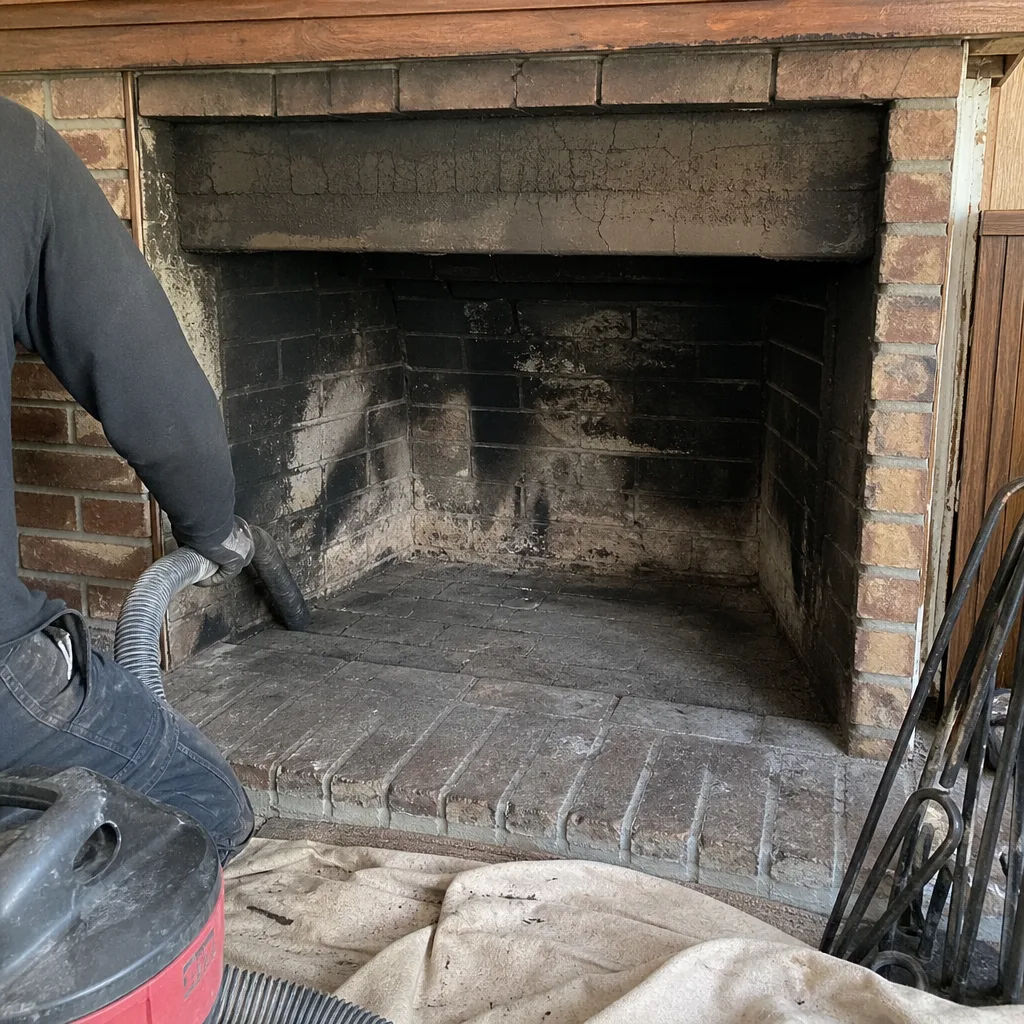 Before
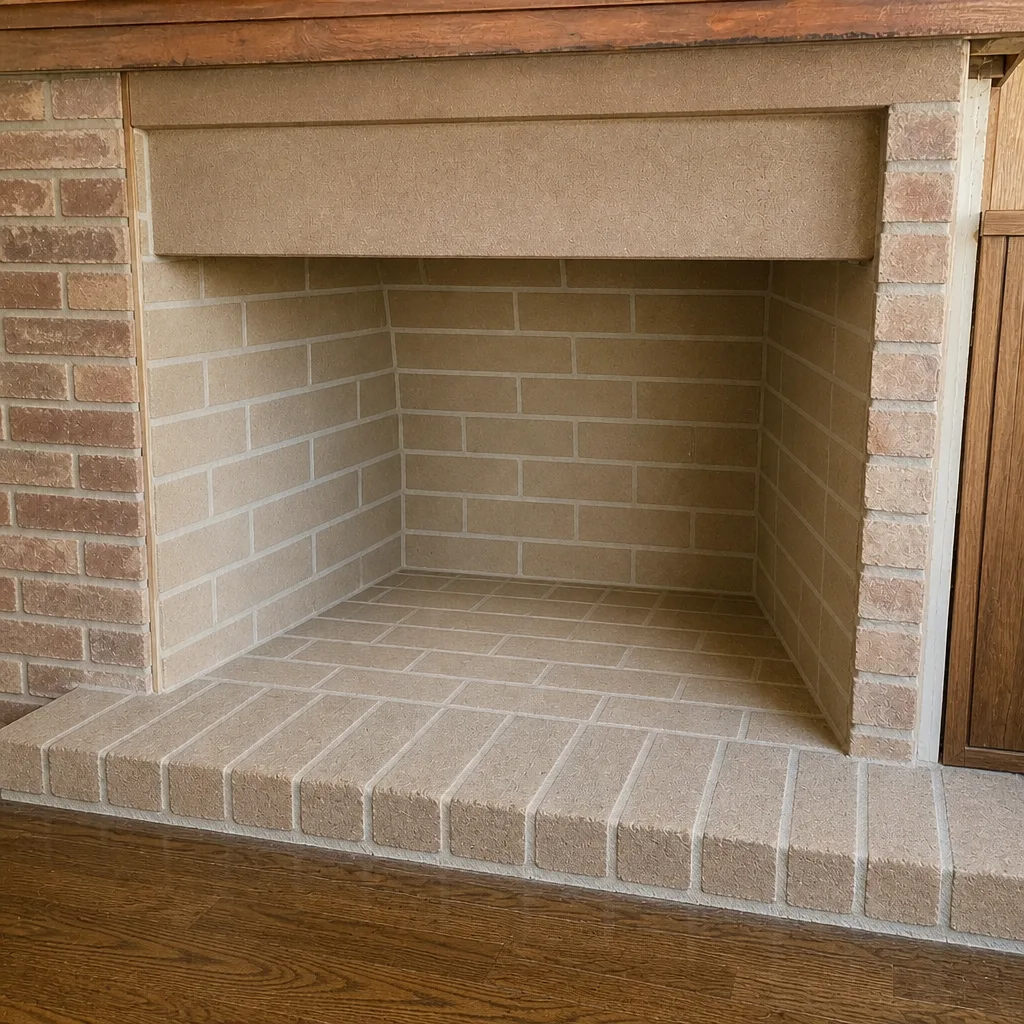 After
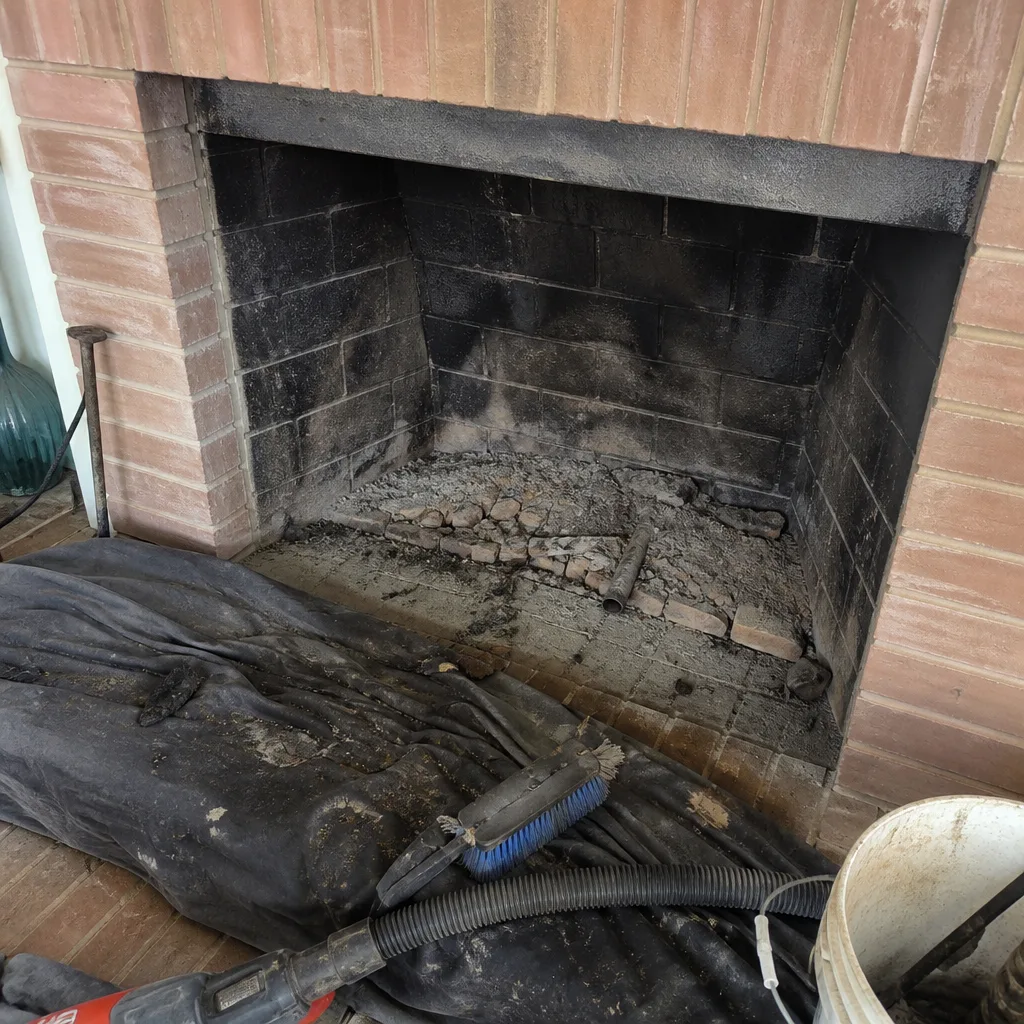 Before
 After
 Before
 After
Frequently Asked Questions
Once a year is the practical standard for wood-burning fireplaces that see regular seasonal use. If you burn more than three cords per season or burn unseasoned wood, you may need a mid-season check. Gas fireplaces still benefit from an annual inspection, though they typically need sweeping less often than wood-burning systems. Call (866) 321-6650 for a free estimate based on your specific usage.
A chimney fire often sounds like a low rumble that grows into a roar, similar to a freight train or a low-flying aircraft passing directly over the house. Some homeowners describe a crackling sound like heavy rain on a tin roof, but louder and coming from the chimney rather than the exterior. If you hear any of these sounds while the fireplace is in use, follow the response protocol immediately. Do not wait to see flames.
No. The liner may be cracked, separated, or glazed with hardened creosote in ways that are invisible from the hearth. A Level 2 inspection with video scanning is the minimum standard before reuse. We use camera footage to show you the exact condition of the flue, and we do not recommend work you cannot see evidence for in that footage.
Yes. The cap keeps rain out, prevents embers from escaping during Santa Ana wind events, and stops debris and animals from entering the flue. A missing cap is one of the most common issues we find on pre-season inspections, and it is one of the least expensive to fix relative to the damage it prevents.
Pricing is set per job by the written estimate, not by a flat rate applied to every home. The estimate accounts for the height and accessibility of the chimney, the amount of creosote present, and whether the flue requires standard brushing or additional mechanical removal. Call (866) 321-6650 for a free estimate, and you will have a written number before any work begins.
Yes. Both systems carry hot combustion byproducts out of the home, and both fail in the same ways when they are not maintained: fire risk from accumulated fuel, and carbon monoxide risk from blocked venting. We handle dryer vent cleaning alongside chimney sweeping because the physics is the same and the consequences are the same. Your whole venting system, not just your fireplace.
The Bottom Line
Chimney emergency preparedness in Laguna Niguel comes down to two things: knowing the response protocol, and removing the conditions that make an emergency likely. You know the protocol now. Close the damper, evacuate, call 911, and don’t open windows. You know the preparation steps. Annual sweep, fitted cap, working damper, CO detectors on every floor, and a camera inspection after any fire event. The rest is a phone call. Chimney sweep work is not expensive compared to a roof fire or a CO incident. It just needs to be scheduled before the emergency, not after it. Call (866) 321-6650. We answer 24/7. Fast dispatch from 7am to 7pm, Sunday through Friday.
Written by the team at Chimney Sweep Laguna Niguel, serving Laguna Niguel since 2014.