
Last updated November 5, 2026
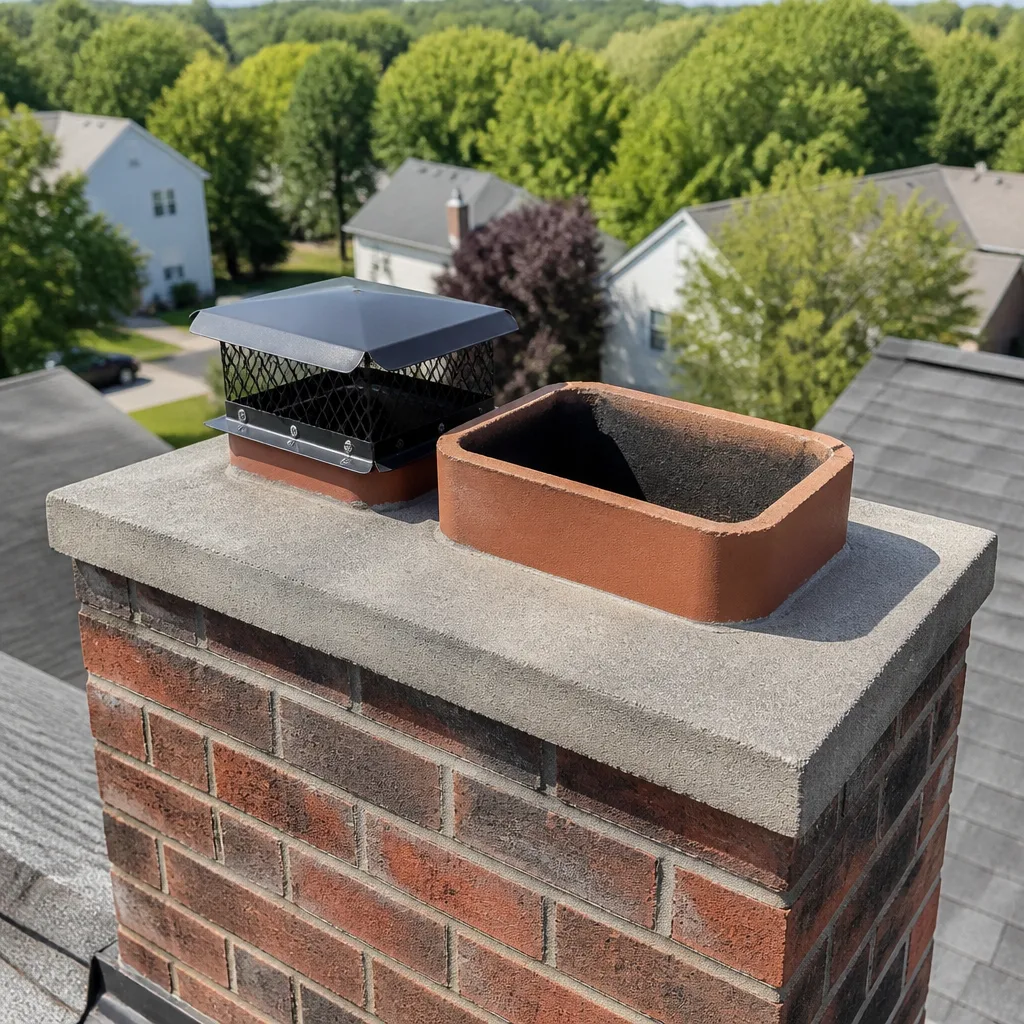 Sweep & inspection
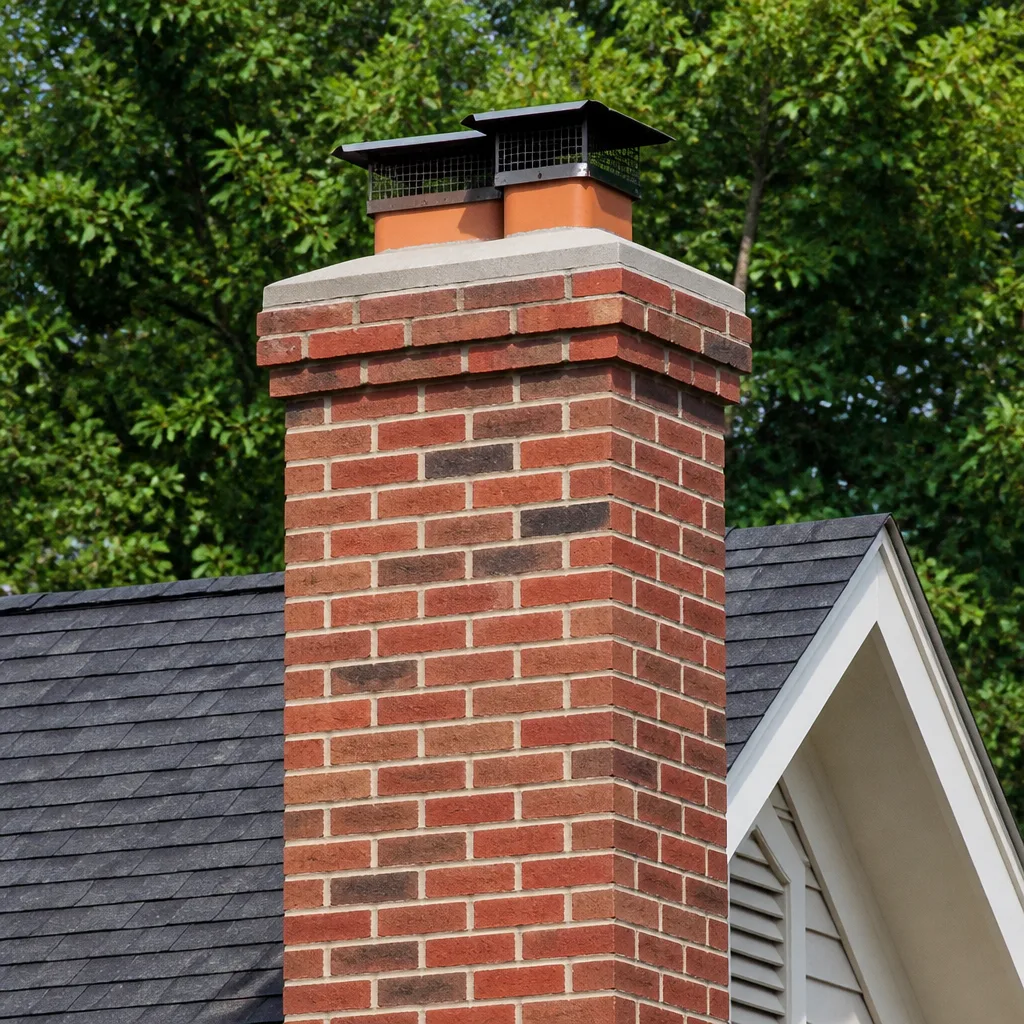 Caps & crowns
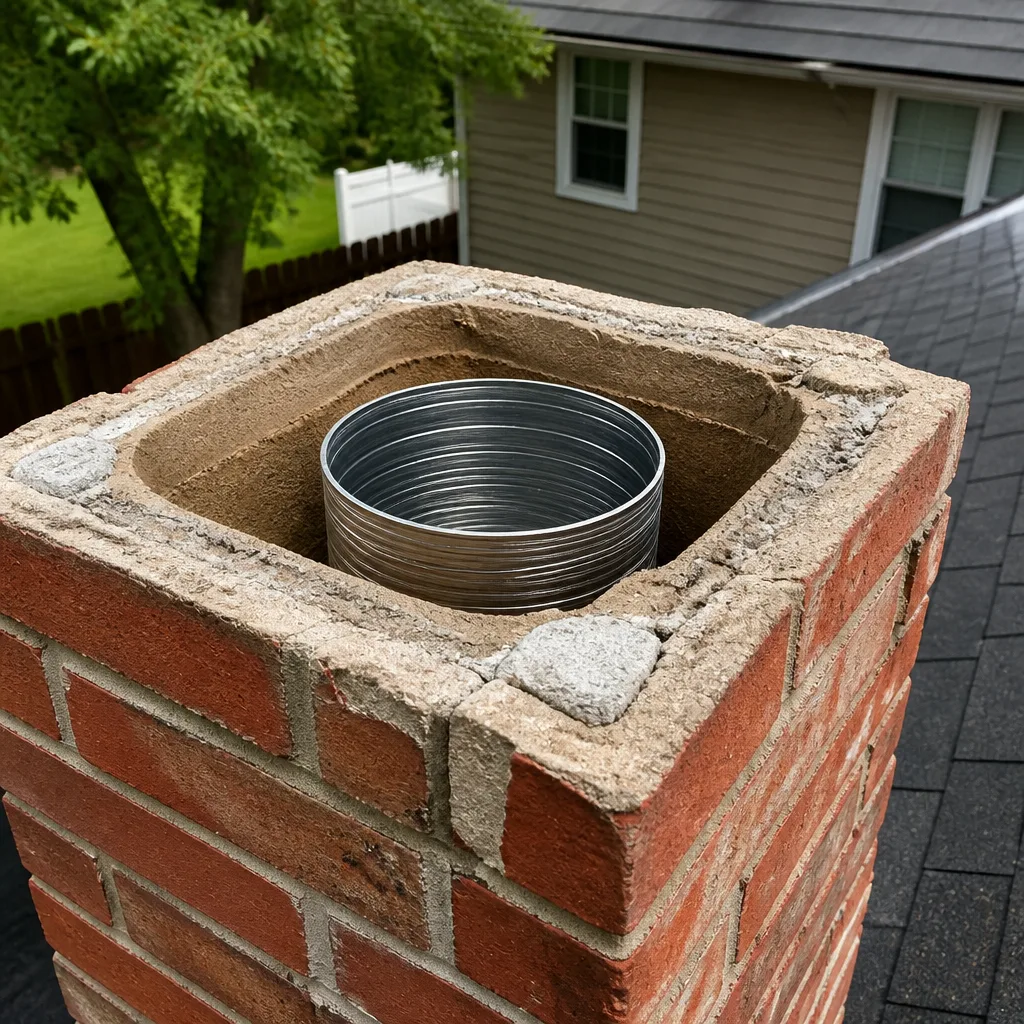 Flue relining
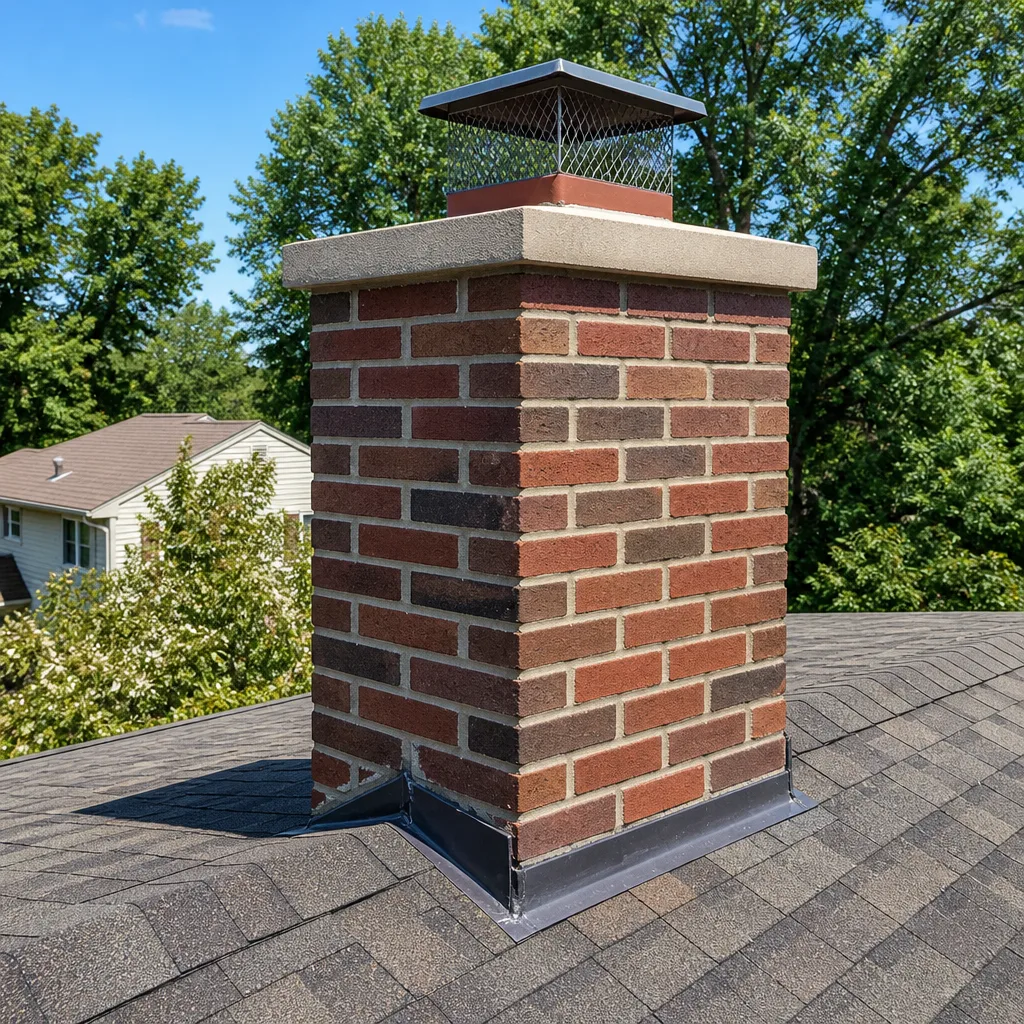 Masonry repair
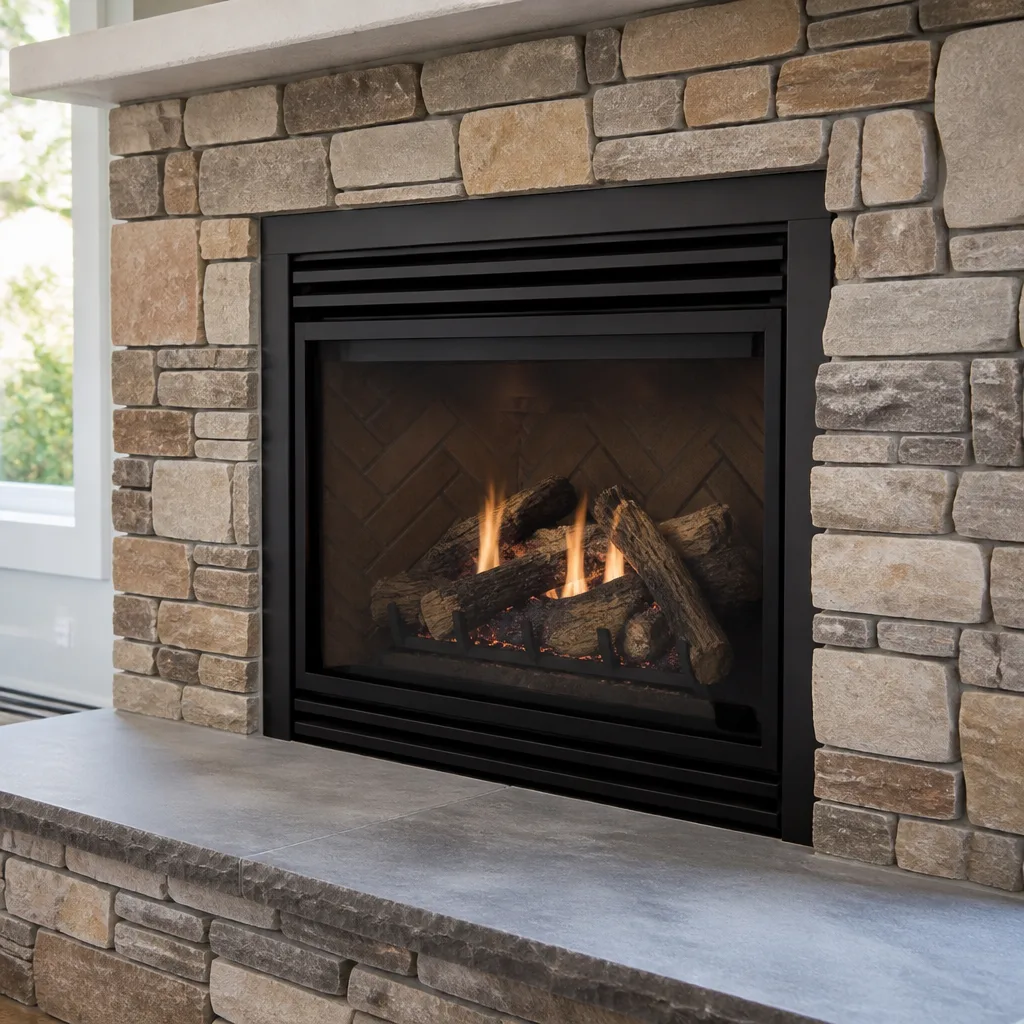 Gas fireplace service
Level 1 sweep and inspection to the NFPA 211 annual standard - flue, crown, cap, and flashing checked and photographed
Chimney sweep logs do not sweep chimneys. They loosen some creosote - which then falls where a brush and vacuum still have to collect it.
Chimney Cleaning Permits, Codes & Inspections in Laguna Niguel, CA: What You Need to Know
If a contractor tells you liner replacement or firebox rebuilding doesn’t need a permit in California, that’s not a shortcut. It’s a liability that follows the house, not the contractor. Most Laguna Niguel homeowners assume chimney work falls entirely outside the permit system. The reality is more layered: cleaning and inspection are exempt, but structural repairs, relining, and certain cap replacements trip the permit trigger under Orange County building codes. This guide maps exactly which chimney services require what, why Title 24 and CMC Section 802 matter for your venting system, and how unpermitted work surfaces when you sell the house. By the end, you’ll know what to ask before anyone sets foot on your roof.
Quick Answer
A standard chimney sweeping and visual inspection in Laguna Niguel requires no permit under California or Orange County codes. Permit requirements kick in for structural changes: flue relining, firebox rebuilding, masonry repair beyond surface repointing, and cap replacement on shared chimneys. California Title 24 and California Mechanical Code Section 802 govern venting system standards, and a Level 2 inspection is what documents compliance for real estate transactions and insurance carriers.
Styles & brands we work with
- Sweep & inspection
- Caps & crowns
- Flue relining
- Masonry repair
- Gas fireplace service
Table of Contents
- What Chimney Work Is Permit-Exempt in Laguna Niguel
- What Chimney Work Requires a Permit in Orange County
- California Title 24 and CMC Section 802: What Actually Applies
- Level 2 Inspections: What They Legally Document
- How Unpermitted Chimney Work Surfaces During a Home Sale
- Code-Compliant Cleaning vs. Insurance-Acceptable Inspection
- Laguna Niguel Climate and Housing Stock: What It Means for Chimney Codes
What Chimney Work Is Permit-Exempt in Laguna Niguel
Here’s the good news first. The two services most Laguna Niguel homeowners schedule, a standard chimney sweep and a Level 1 visual inspection, do not require a permit anywhere in Orange County. Neither does routine maintenance like cleaning the firebox, removing creosote from accessible flue surfaces, or clearing a clogged rain cap. The California Mechanical Code treats these as maintenance on an existing system, not modifications to it. No structural component changes, no permit. That exemption holds whether you have a wood-burning fireplace in a Marina Hills tract home or a gas log setup in a custom build off Highlands Avenue.
What often surprises people is that dryer vent cleaning is also permit-exempt. The International Mechanical Code and California’s adoption of it classify dryer vent cleaning as routine appliance maintenance, not construction. If a technician accesses the vent from inside the laundry room or from the exterior termination point and cleans the duct without altering its path, no permit is needed. Swapping a standard rain cap for an identical replacement on a single-family home’s dedicated flue also falls under maintenance, provided the new cap doesn’t alter the flue’s height, cross-sectional area, or termination clearance requirements.
For the homeowner who simply wants a clean, safe fireplace before burning season, the path is straightforward. Book the cleaning. Get the inspection. No paperwork required. That said, what the technician sees during that cleaning can change things fast. Flue tile cracks, a deteriorated mortar joint, spalling brick, or a liner that’s delaminating all push you from maintenance territory into repair territory, and repair is where Laguna Niguel permit rules start to bite.
What Chimney Work Requires a Permit in Orange County
California building code does not draw the line at “new chimney.” It draws it at any modification that changes the venting system’s structure, materials, or performance. In Orange County, that means the following chimney projects require a building permit, typically pulled through the Orange County Building Division or through Laguna Niguel’s building department depending on the scope and location of the work:
- Flue relining or liner replacement. Installing a stainless steel liner system changes the flue’s material and internal dimensions. That’s a permit-level modification. A company installing DuraFlex flexible liner systems meets code, but the installation itself must be documented and inspected.
- Firebox rebuilding. Rebuilding firebrick walls or resetting the firebox floor alters the combustion chamber’s dimensions and heat-resistance envelope. Permit required.
- Chimney cap replacement on shared or multi-flue chimneys. If the cap services more than one flue or sits on a shared chimney, replacing it with a different design can affect draft dynamics. Single-flue identical replacements are maintenance; multi-flue changes are construction.
- Masonry repair beyond surface repointing. Tuckpointing a few cracked mortar joints is maintenance. Rebuilding a section of the chimney crown or removing and relaying brick courses is structural work. Permit required.
- Smoke chamber parging with a code-listed resurfacing product. Applying HeatShield chimney resurfacing is a code-compliant repair for deteriorated flue tile, and because it changes the flue material, the work falls under the permit umbrella. This is not a mark against the product, it’s the opposite: HeatShield is UL-listed precisely so it can satisfy building officials during permitted repairs.
The permit process in Orange County for chimney work typically involves submitting a description of the work, a materials list, and in some cases a plan sketch. The building department wants to know that what goes into the chimney meets current code. That’s the entire point of the exercise: making sure a repair done in 2025 doesn’t become a line item on a 2031 home inspection report flagged as uncorrected, unpermitted work.
California Title 24 and CMC Section 802: What Actually Applies
Homeowners in Laguna Niguel hear “Title 24” and picture energy efficiency mandates. Title 24 is California’s Building Energy Efficiency Standards, but it’s a sprawling document, and the portions that affect chimneys are the ones most people never read. The California Mechanical Code Section 802, adopted as part of Title 24, covers venting requirements for gas appliances and fireplaces, including clearances, termination heights, and combustion air provisions. When a permitted chimney repair goes through plan review, the building department checks the proposed work against CMC Section 802 to confirm the venting system still meets current standards.
For homeowners, there are two practical takeaways. First, if you’re replacing a gas fireplace insert or updating a gas log setup, CMC Section 802 venting requirements apply, and the fireplace’s flue must meet current sizing and clearance standards. A flue that worked fine when the house was built in 1987 may not meet the same standards if you’re modifying the system in 2026. Second, when a masonry fireplace is converted to gas logs, the chimney becomes a vent for a gas appliance, and that triggers a different set of CMC requirements than a wood-burning use. A professional chimney contractor handles these calculations as part of the repair scope, but the homeowner who knows the codes exist can ask better questions.
One more note that matters in practice: Laguna Niguel homes built before 1990 often have chimneys that predate current CMC clearance standards. When you’re doing a permitted repair on an older chimney, the building department may require bringing the exposed portions into current compliance. That’s not a cash grab. It’s the system working as intended: repair work becomes the opportunity to correct things that were acceptable under older codes but aren’t safe by modern standards.
Level 2 Inspections: What They Legally Document
A Level 2 chimney inspection is the standard the Chimney Safety Institute of America defines for real estate transactions and for any time a property changes hands in Orange County. It goes beyond the visual-only Level 1 inspection that pairs with routine cleaning. A Level 2 includes everything in a Level 1 plus access to attics, crawl spaces, and roof areas, and it typically involves a camera scan of the flue interior. What it legally documents is the chimney’s condition at the time of the inspection: flue tile condition, mortar joint integrity, liner presence and material, clearances from combustibles, and smoke chamber condition.
In Laguna Niguel real estate transactions, a Level 2 inspection is not always required by statute, but it’s increasingly standard practice. Home inspectors don’t do this work, they flag what they can see and recommend a Level 2 when the chimney shows signs of age or when the seller can’t document recent service. The inspection report becomes a disclosure document. If the Level 2 finds a cracked flue tile or an unlined chimney, the buyer’s lender or insurer may make closing contingent on correction. That’s where permitted repair enters the picture, because a buyer who knows their rights won’t accept unpermitted repair work on a structural component.
What a Level 2 inspection will not do is pull a permit or certify that past work was done to code. It documents current condition. That distinction matters. A clean Level 2 report doesn’t mean earlier repairs were permitted. It means the chimney is currently safe. If you’re buying a Laguna Niguel home, ask for documentation of any prior chimney repair, not just the inspection report. If you’re selling, proactively scheduling a Level 2 before listing gives you time to address findings with permitted work rather than negotiating under a closing deadline.
How Unpermitted Chimney Work Surfaces During a Home Sale
Here’s the scenario that costs sellers money in Laguna Niguel. You had a liner replaced six years ago by a contractor who said “no permit needed, it’s just a repair.” You’ve enjoyed the fireplace without issue. The chimney works fine. Now you’re selling, and the buyer’s home inspector notes the flue liner looks newer than the surrounding masonry. The seller’s disclosure form asks about structural modifications. You answer honestly. The closing agent wants permit records from Orange County. There are none. The deal stalls.
Unpermitted chimney work surfaces through three channels: home inspection observations, seller disclosure requirements, and appraisal reviews. California’s seller disclosure requirements are strict, and a chimney reline or firebox rebuild is a structural modification that most real estate attorneys would say must be disclosed. When the work isn’t disclosed but surfaces later, the liability transfers to the seller. When it is disclosed but unpermitted, buyers typically require retroactive permitting before close. Retroactive permitting means opening the wall around the repaired area if the building official wants to see the work, which can double the repair cost. In some cases, the county accepts a professional inspection certifying the work meets current code, but that’s a discretionary call, not a guarantee.
The cost of retroactive correction in Orange County depends on scope, but the lesson is consistent. The permit is cheaper than the retroactive fix. Even when the work itself is sound, the missing permit creates a title cloud and a negotiation problem. A professional contractor who does permitted work from the start saves you from explaining, years later, why a repair on your chimney isn’t in the county records.
Code-Compliant Cleaning vs. Insurance-Acceptable Inspection
There’s a meaningful difference between getting your chimney swept and getting your chimney inspected to the standard your insurance carrier will accept. A code-compliant annual cleaning removes creosote, soot, and debris. It’s the right maintenance rhythm for any Laguna Niguel home with a wood-burning fireplace, and it’s what most people schedule before the cooler months when the fireplace becomes part of the nightly routine. The cleaning itself keeps the system firing safely and reduces the fire hazard that chimney maintenance is meant to address.
An inspection that satisfies an insurance carrier is a higher bar. If your provider asks for confirmation that the chimney is safe after a claim, a property purchase, or a policy renewal, they typically want a Level 2 inspection report from a qualified chimney professional. Some carriers also accept a Level 2 after any chimney fire, even a small one. The inspection report becomes the document that either confirms coverage or triggers a repair requirement. We’ve seen homeowners in Laguna Niguel get their insurance renewed without question for years, then hit a wall when they file an unrelated claim and the adjuster asks when the chimney was last inspected. The answer that satisfies the request is never “we clean it regularly.” It’s “here is the inspection report dated within the last 12 months.”
The practical rule: schedule a standard chimney sweep every year if you burn wood regularly. Add a Level 2 inspection when you buy, sell, switch insurers, or haven’t had one in five years. The two services work together, and Chimney Sweep Laguna Niguel performs both, so there’s no need to book two different contractors for what amounts to one scope of fire-safety work.
Laguna Niguel Climate and Housing Stock: What It Means for Chimney Codes
Laguna Niguel homes don’t face freeze-thaw cycles or ice dams, and that changes the kind of chimney degradation we see. Masonry chimneys here don’t crack from winter expansion and contraction the way they do in colder climates. They age, but the failure pattern is different: mortar erosion from sun exposure, flue tile deterioration from repeated heating and cooling across the burn season, and creosote buildup in chimneys that get heavier use during the cooler months when inland temperatures drop at night.
The housing stock also shapes the code conversation. Laguna Niguel includes a large share of tract homes built between the late 1970s and early 2000s, and many of those homes have prefabricated or factory-built chimneys rather than full masonry chimneys. Factory-built chimneys have their own listing and rating requirements, and repairs to them must match the manufacturer’s listed components. A permitted repair on a factory-built chimney in a Marina Hills or Niguel Summit home means using components listed for that specific chimney, not generic masonry repair materials. That’s one more reason the permit system exists: it forces compatibility checks that a casual repair crew might skip.
For gas fireplace owners, which includes a large share of Laguna Niguel homes, code compliance is about venting and clearance. CMC Section 802 applies. The vent termination, the flue sizing, the clearance to combustible framing, all of it gets checked during permitted work. A homeowner with a gas log setup who hasn’t had the vent inspected in years is flying blind on whether the system still meets the standard that was enforced when it was installed.
Common Mistakes to Avoid
- Believing “repair” means “no permit.” Maintenance is exempt; structural repair is not. Liner replacement and firebox rebuilds require Orange County permits. If a contractor says otherwise, ask them to put it in writing.
- Skipping the Level 2 inspection when buying or selling. In Laguna Niguel’s real estate market, disclosure disputes over chimney condition are avoidable with a $300 to $500 inspection. The alternative is negotiating repairs under a closing deadline, which costs more.
- Using unlisted aftermarket parts on a factory-built chimney. Prefabricated chimneys need listed components that match the manufacturer’s instructions. Generic parts void the listing and can fail the smoke test a building official performs.
- Assuming a clean chimney is a code-compliant chimney. Cleaning removes creosote. It doesn’t confirm flue integrity or clearance compliance. The two are different services with different documentation.
- Waiting until a home sale to address known chimney issues. A cracked flue tile found during a routine cleaning is a small problem. The same tile flagged during escrow is a negotiation albatross. Fix it on your schedule.
- Ignoring the dryer vent when addressing fire safety. Most people think chimney when they think fire risk, but clothes dryer exhaust is a leading cause of residential fires. Dryer vent cleaning is the same category of maintenance, and it’s often the thing sellers wish they’d handled before the buyer’s inspector pointed it out.
- Hiring a handyman for chimney repairs. A handyman isn’t qualified to perform a Level 2 inspection or verify CMC Section 802 compliance. The work may look fine and fail code review.
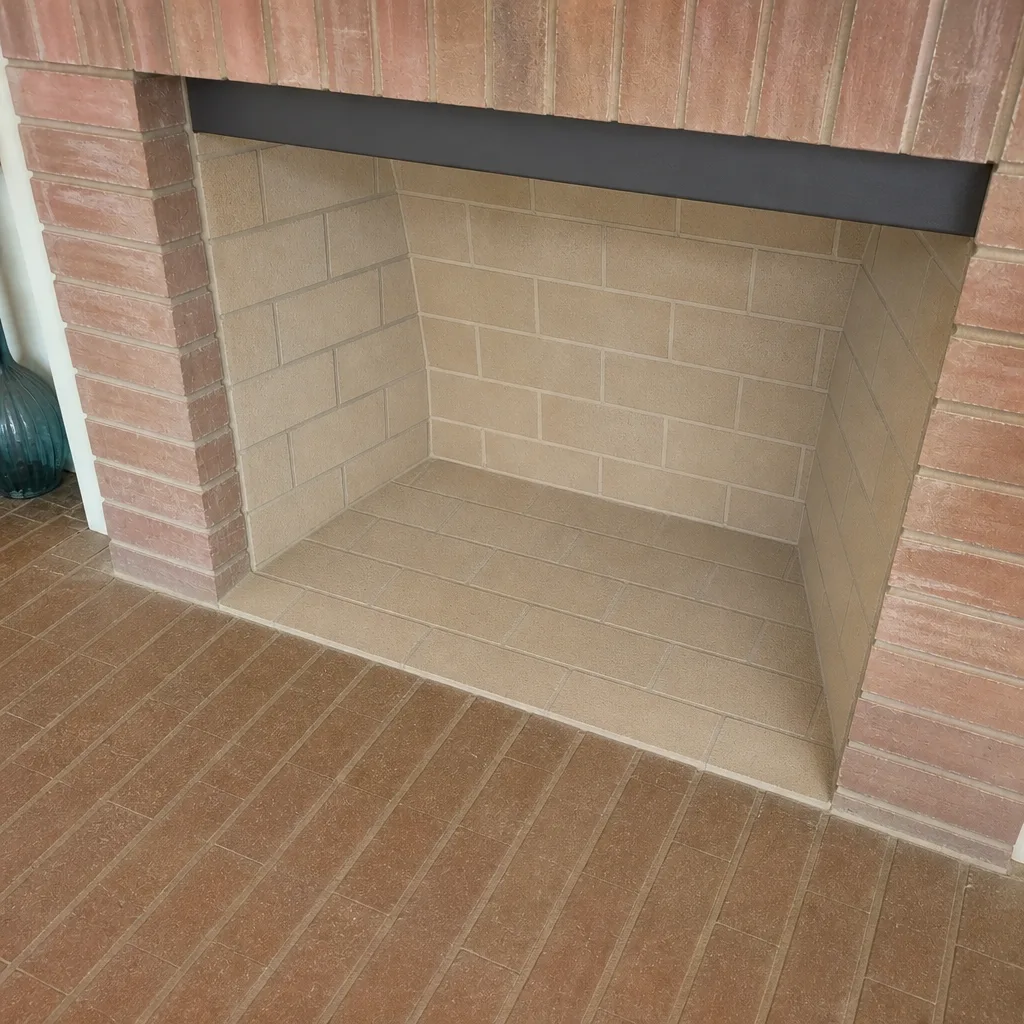
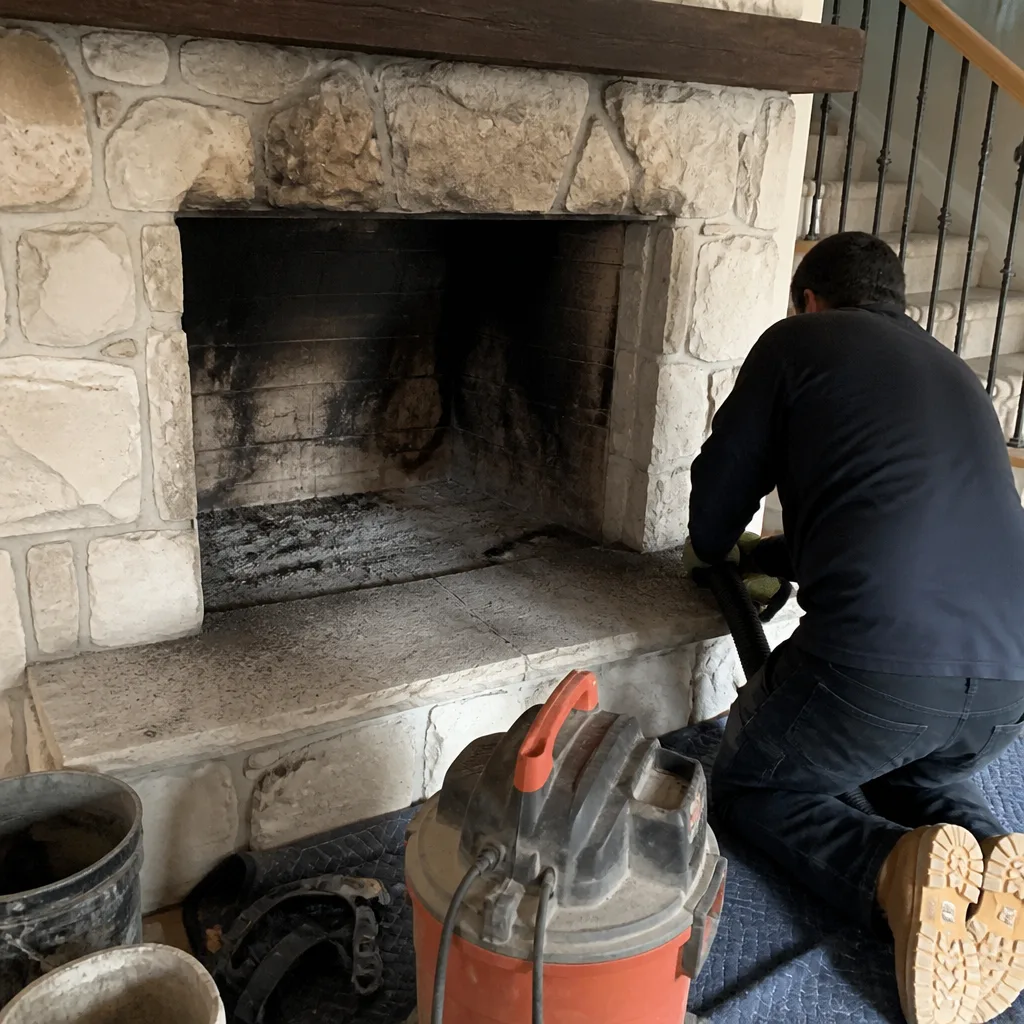
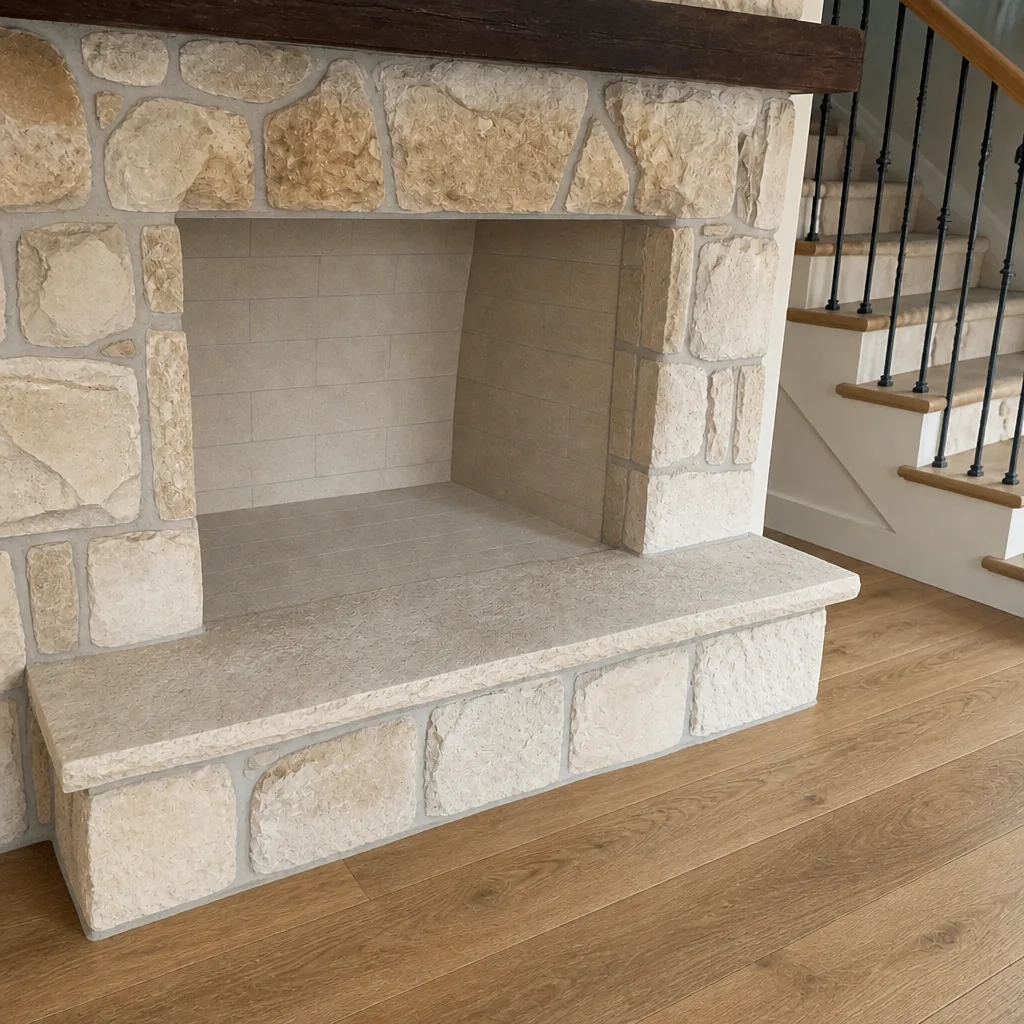
See the difference
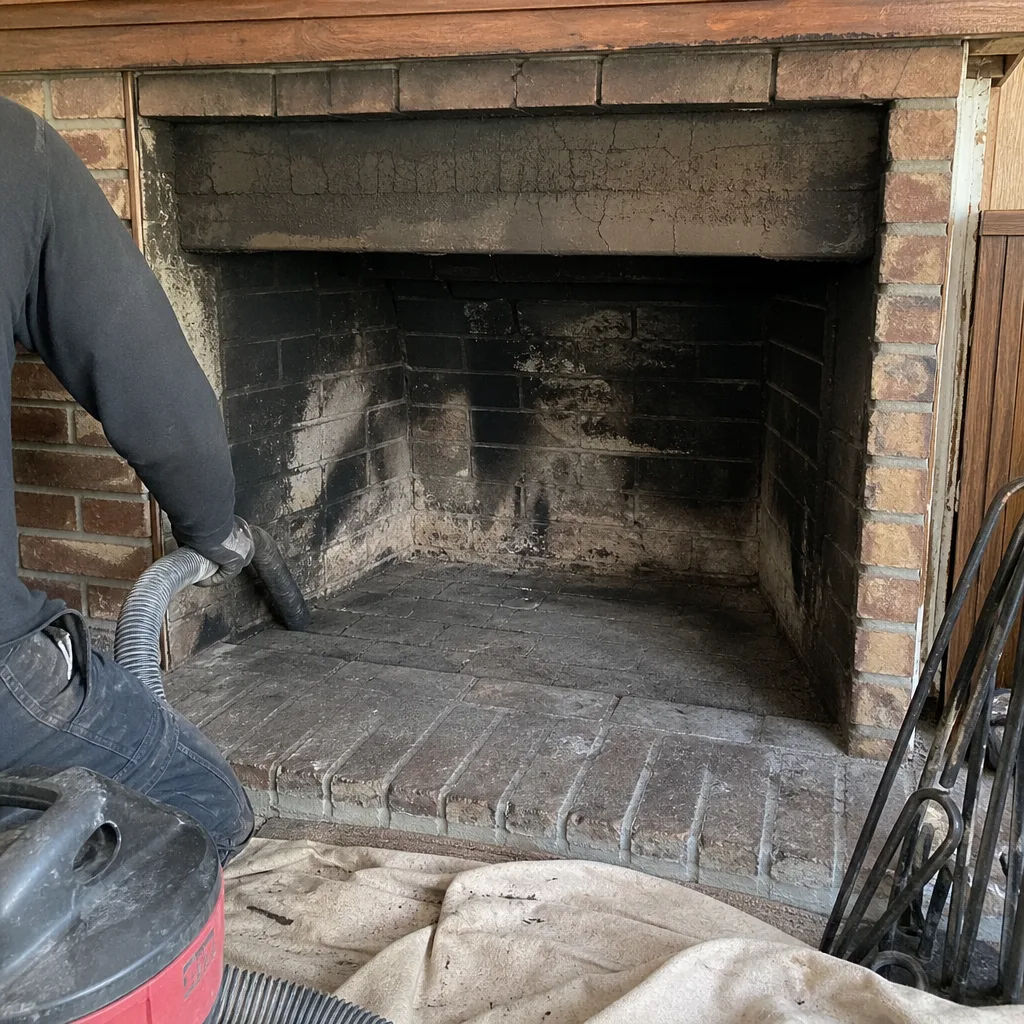 Before
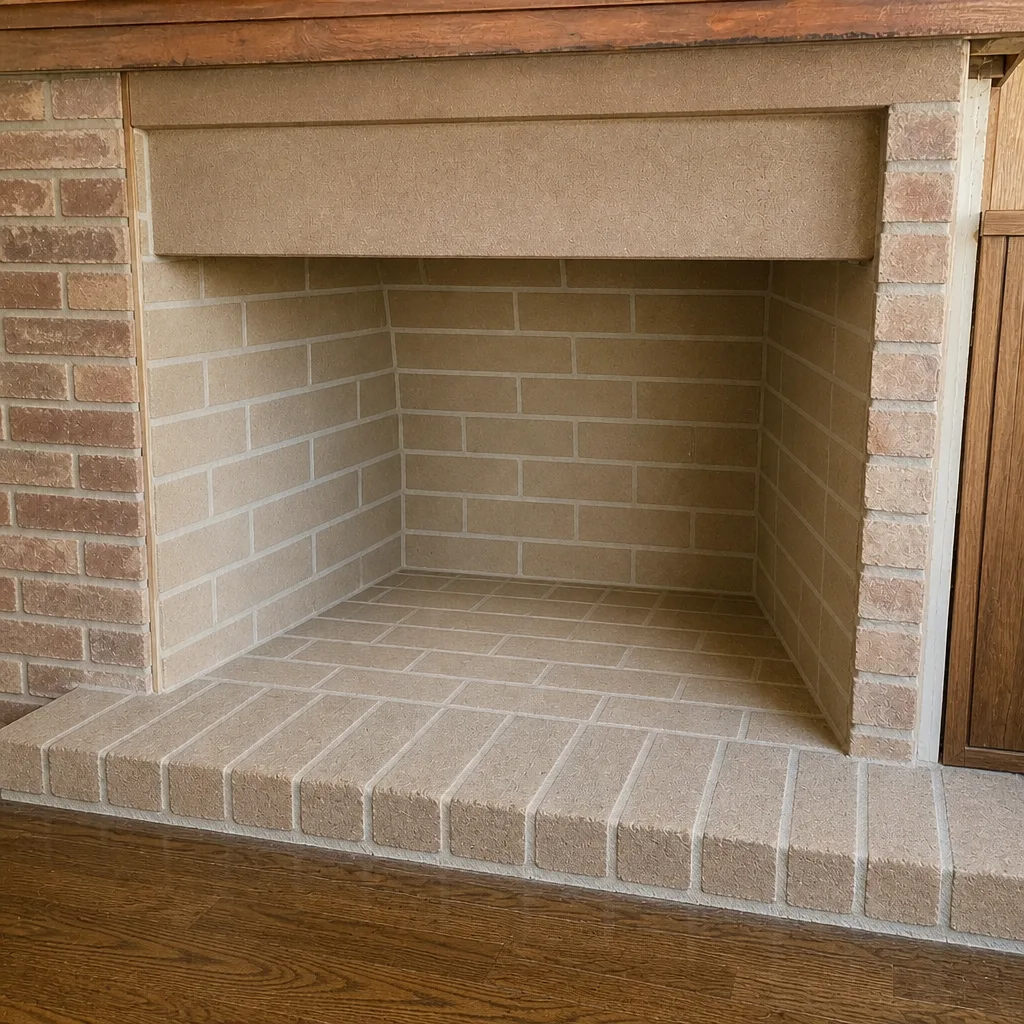 After
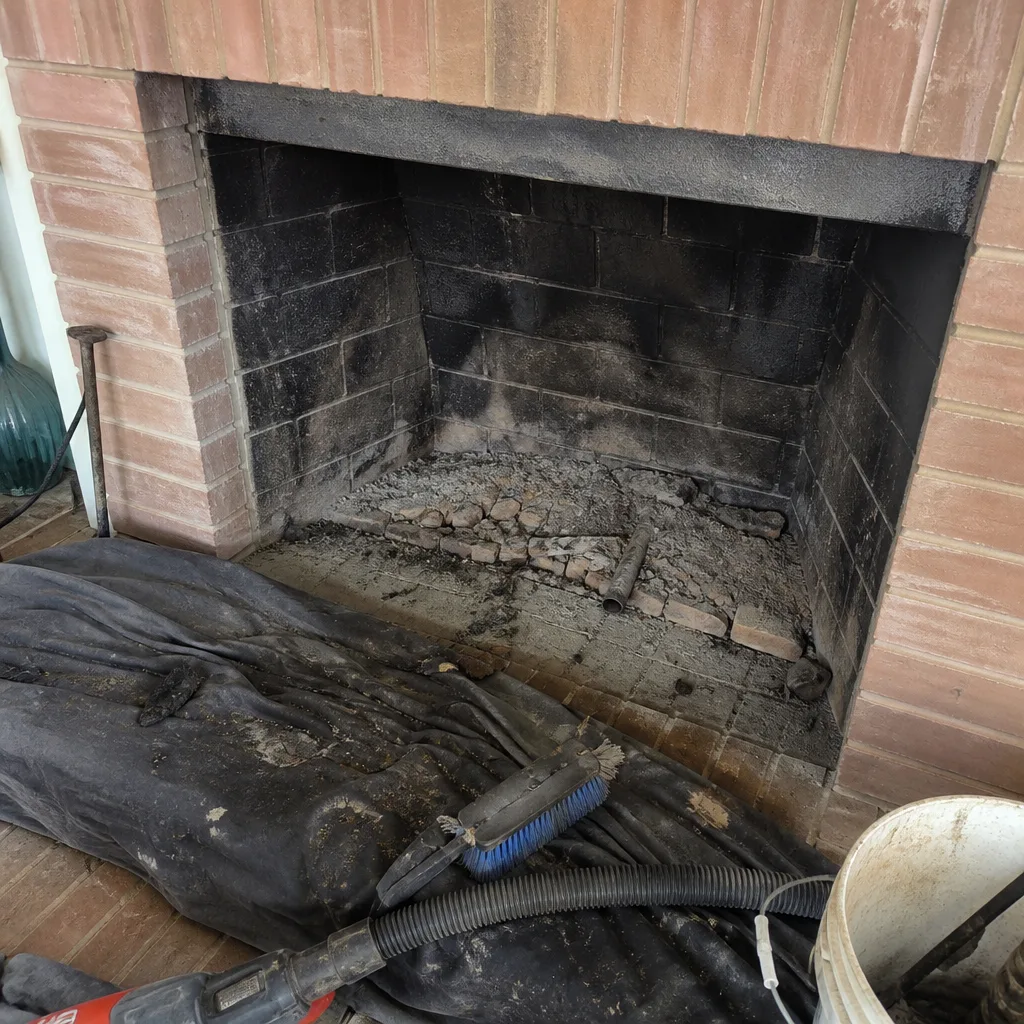 Before
 After
 Before
 After
When to Call a Professional
Call when you see flue tile fragments in the firebox, when smoke backs up into the room, when you notice water staining on the ceiling near the chimney, or when an inspector flags your chimney on a home sale report. Call before you light the first fire of the season if you can’t remember your last inspection. Call when your dryer takes longer than one cycle to finish a load, which points to vent restriction. Chimney Sweep Laguna Niguel offers free estimates in Laguna Niguel. Call (866) 321-6650. We answer 24/7. Fast dispatch from 7am to 7pm, Sunday through Friday.
Frequently Asked Questions
No. Standard chimney cleaning and Level 1 visual inspections are permit-exempt in Orange County. Permits apply only when structural work is performed, such as relining, firebox rebuilding, or masonry reconstruction. Call (866) 321-6650 for a free estimate on a chimney sweep.
Flue relining, liner replacement, firebox rebuilding, masonry repair beyond surface repointing, and cap replacement on shared chimneys all require permits. These are structural modifications, not maintenance. A professional contractor handles the permit paperwork as part of the job scope.
Costs vary by chimney type, height, and condition, but a typical Laguna Niguel chimney sweep runs in the range of $150 to $350, with Level 2 inspections typically ranging from $300 to $500. Factory-built chimneys and complex flue systems fall at the higher end. The written estimate sets the final price, not a menu board. Call (866) 321-6650 to get an exact quote for your chimney.
A Level 2 inspection documents the chimney’s current structural condition: flue tile integrity, liner presence and material, mortar joint condition, smoke chamber status, and clearances from combustibles. It includes a camera scan of the flue interior and access to attic and crawl spaces. It’s the standard inspection for real estate transactions and insurance verification.
Annual sweeping is the right rhythm if you burn wood regularly. Chimneys that see occasional use can go longer between cleanings, but an annual visual inspection is wise regardless. Gas fireplace venting also needs periodic inspection per CMC Section 802, even without creosote buildup.
Yes, and with increasing frequency in Orange County. Home inspectors flag newer materials on older chimneys. Seller disclosure forms ask about structural modifications. Buyers request permit records. When none exist, the deal stalls or the seller pays for retroactive correction. The permit is cheaper than the retroactive fix.
The Bottom Line
Laguna Niguel homeowners don’t need a permit for cleaning and inspection, but they absolutely need the permit process for structural repairs. Liners, fireboxes, and masonry work beyond repointing all trigger Orange County permit requirements under CMC Section 802. Level 2 inspections are what document compliance for real estate transactions and insurance carriers, and unpermitted work reliably surfaces during home sales. The homeowner’s job is simple: maintain consistently, inspect when the calendar or the transaction demands it, and never accept “no permit needed” from a contractor doing structural work. The professional’s job is to do the work that actually passes code review.
Written by the team at Chimney Sweep Laguna Niguel, serving Laguna Niguel since 2014.