
Last updated November 5, 2026
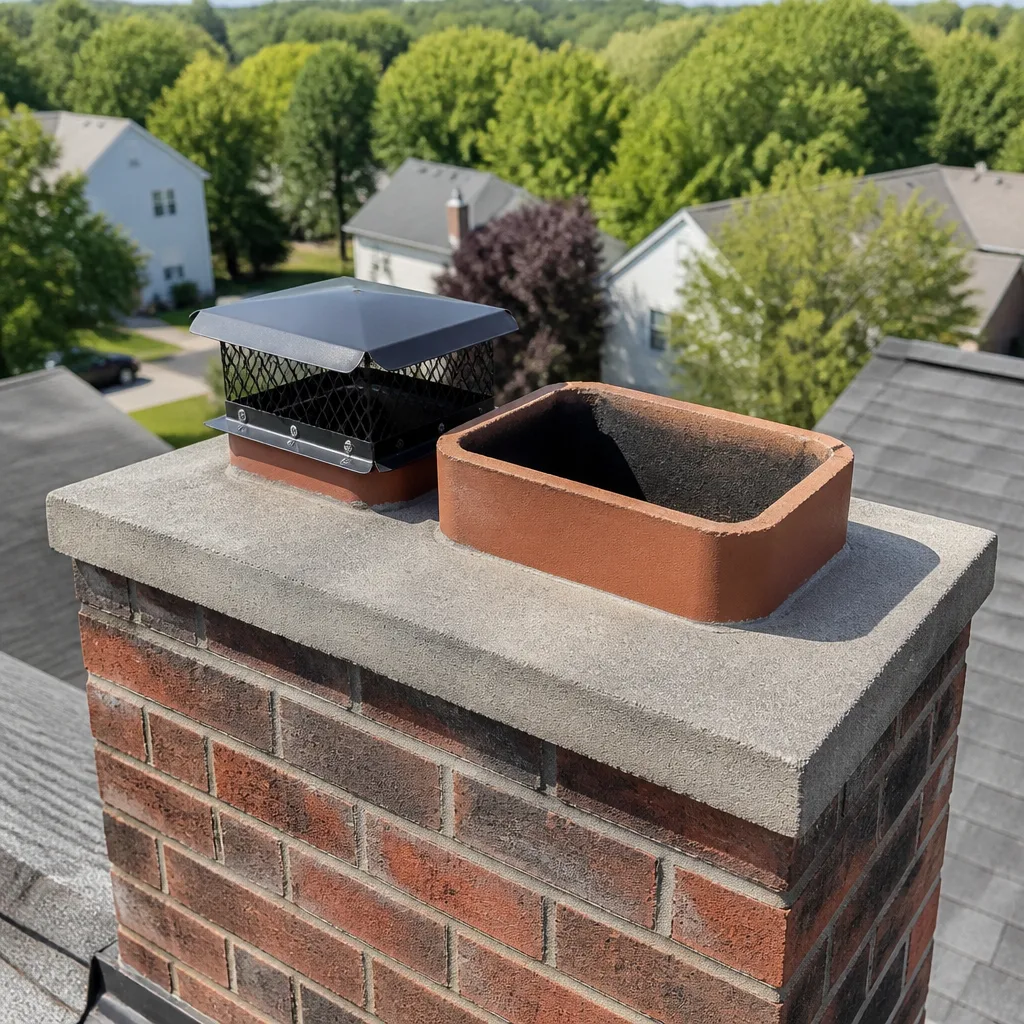 Sweep & inspection
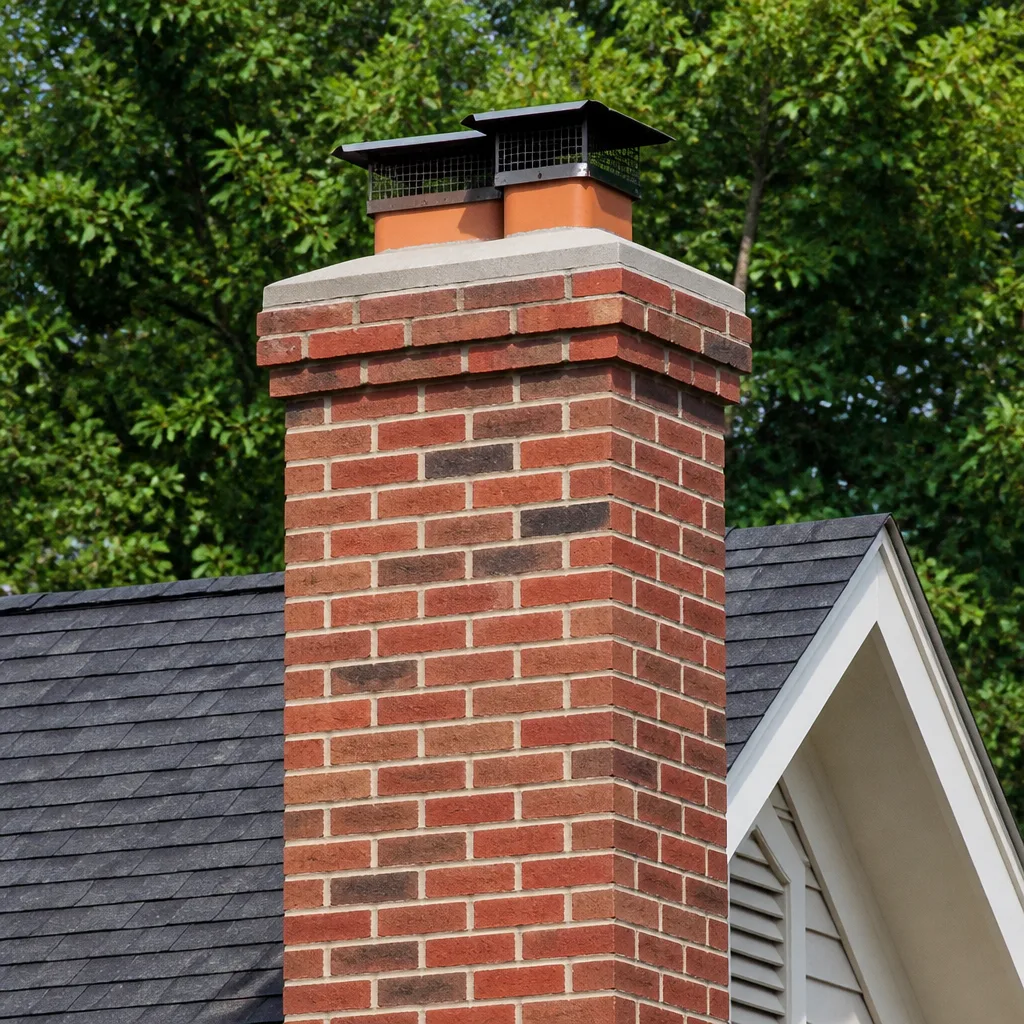 Caps & crowns
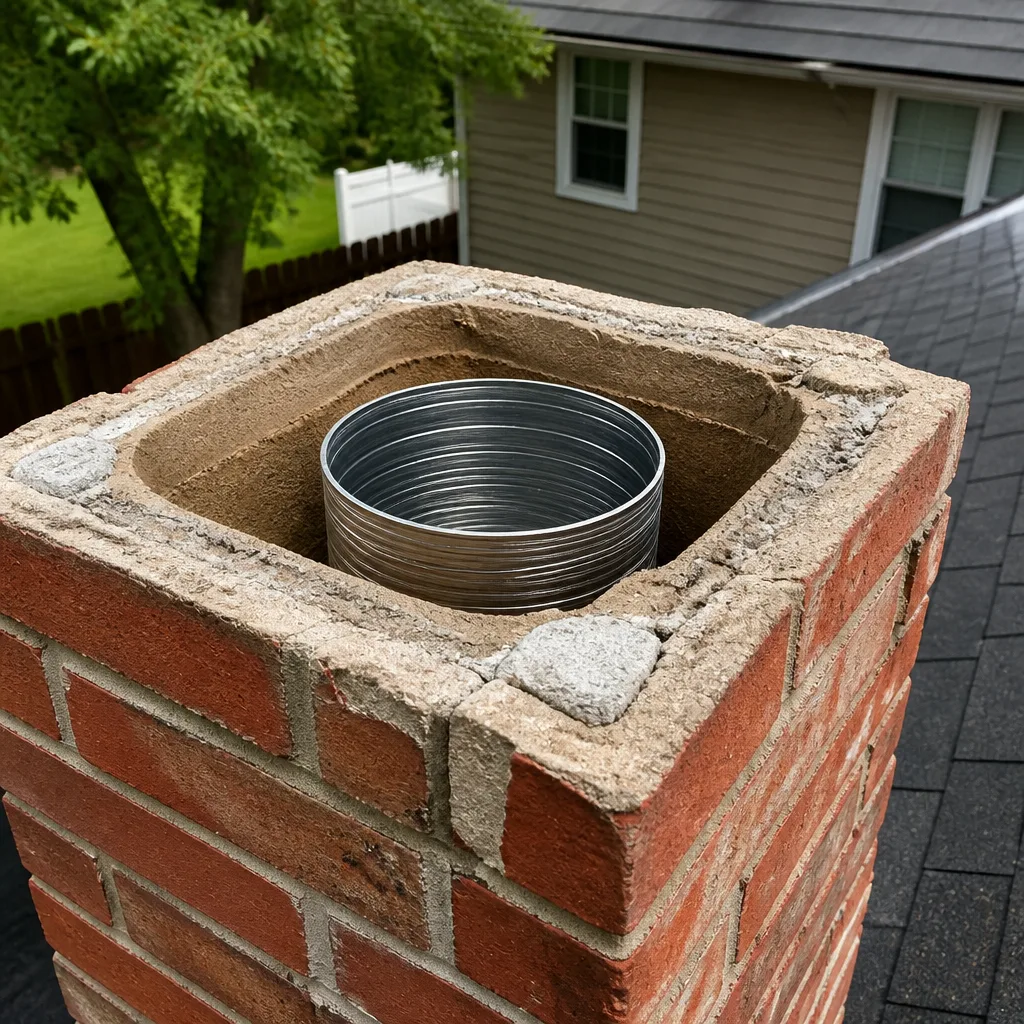 Flue relining
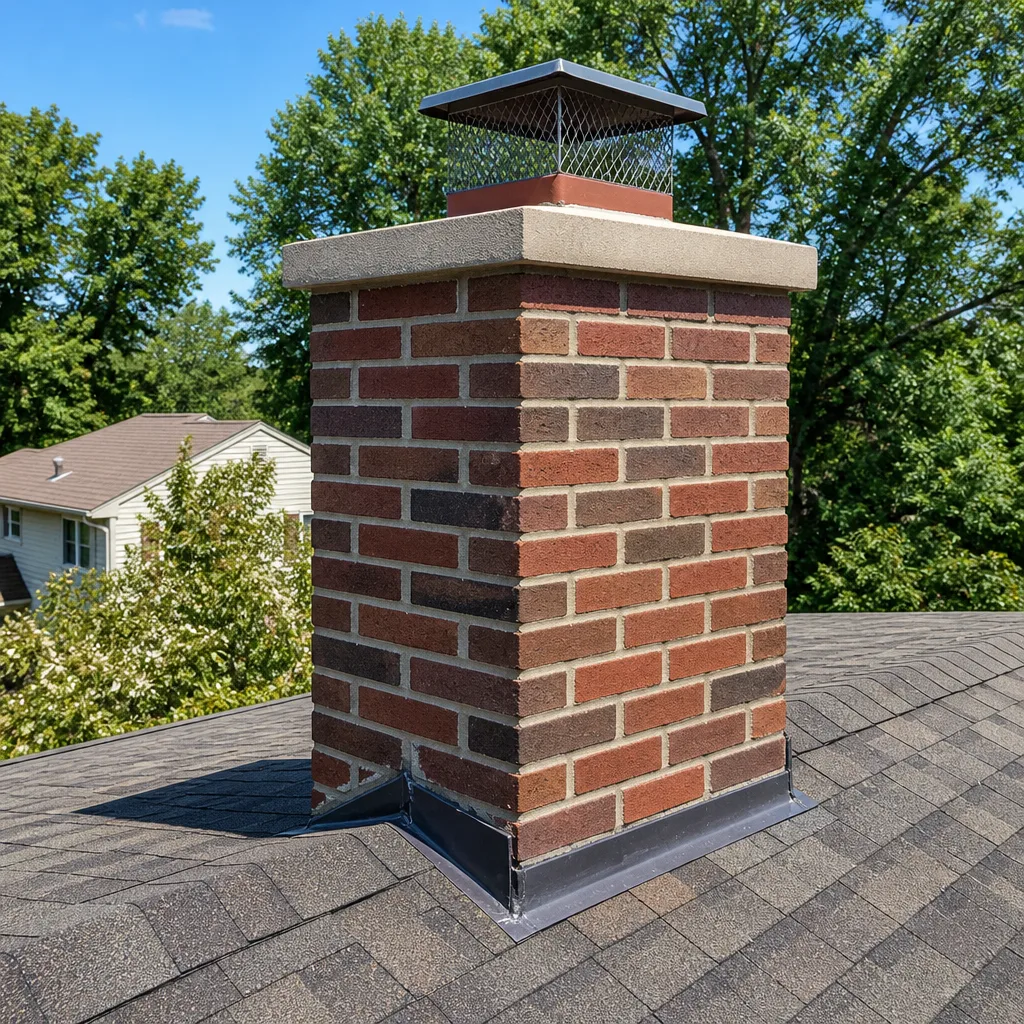 Masonry repair
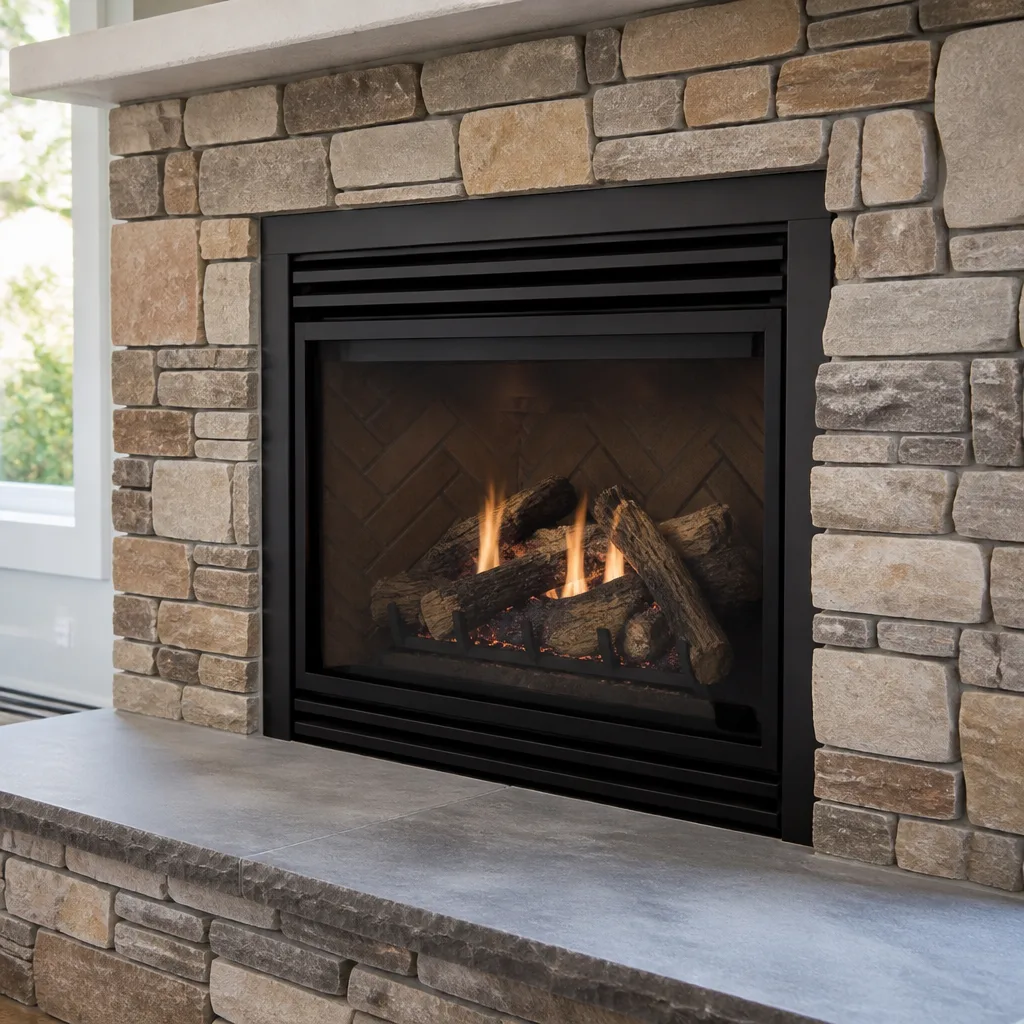 Gas fireplace service
Level 1 sweep and inspection to the NFPA 211 annual standard - flue, crown, cap, and flashing checked and photographed
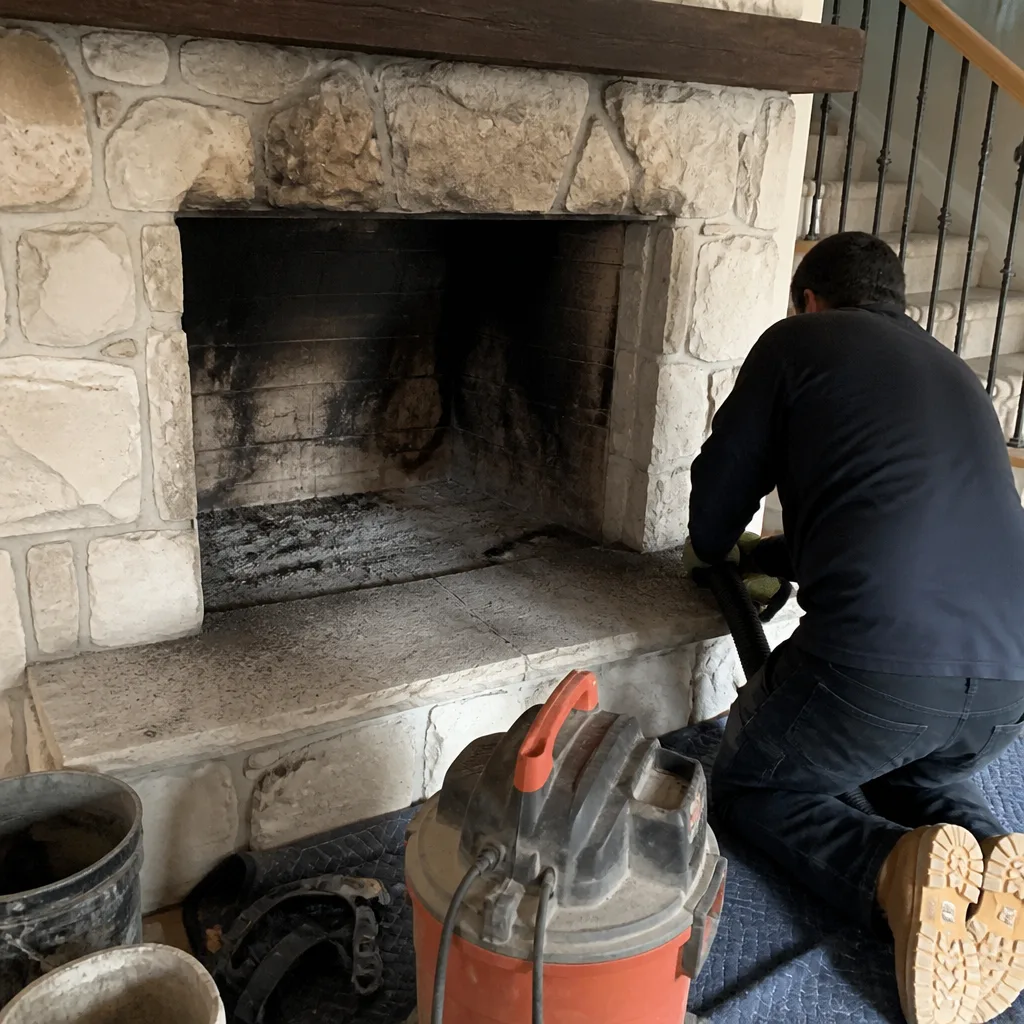
Chimney sweep logs do not sweep chimneys. They loosen some creosote - which then falls where a brush and vacuum still have to collect it.
Chimney Cleaning Warning Signs: A Laguna Niguel Homeowner’s Reference Guide
By the time you smell smoke inside your home during a fire, your chimney has already been signaling problems for months through signs you didn’t know to look for. Most homeowners in Laguna Niguel only call a chimney sweep when something obviously goes wrong: smoke rolls into the living room, a strange odor lingers, or a neighbor mentions seeing sparks. But chimneys rarely fail without warning. They telegraph distress early through visual cues, operational quirks, and subtle changes in how your fireplace behaves. This guide walks through those early indicators, what each one means mechanically, and which ones require immediate attention.
Quick Answer
The most common early chimney warning signs in Laguna Niguel are white efflorescence on exterior brick, hairline cracks in the crown, rust staining on the chase cover, and a fire that takes longer than usual to establish a strong draft. Any of these indicates moisture intrusion or airflow problems that will worsen without intervention. A professional chimney inspection with camera equipment confirms what’s happening inside the flue before it becomes a safety risk.
Styles & brands we work with
- Sweep & inspection
- Caps & crowns
- Flue relining
- Masonry repair
- Gas fireplace service
Table of Contents
- Early-Stage Structural Signs You Can See From the Ground
- Operational Warning Signs During a Fire
- Laguna Niguel-Specific Warning Signs: What the Marine Layer Does
- Indoor Air Quality Signals That Point to Chimney Problems
- Hairline Crown Cracks: Why Small Is Still Serious
- White Efflorescence on Brick: Reading the Whitening
- Dryer Vent Blockage: The Chimney’s Quiet Cousin
- Common Mistakes to Avoid
- When to Call a Professional
- Frequently Asked Questions
Early-Stage Structural Signs You Can See From the Ground
Most chimney damage announces itself visually long before it affects performance. You don’t need a ladder or special tools to spot the first indicators, just a willingness to actually look at your chimney as a system rather than a static feature of your roofline. In Laguna Niguel, where many homes are stucco-clad with brick chimneys poking through, these signs are easy to miss if you’re not paying attention.
White Efflorescence on Brick
That chalky white residue spreading across your chimney’s brick face is efflorescence, and it’s one of the earliest and most misunderstood warning signs. Efflorescence forms when water moves through masonry and carries dissolved salts to the surface. As the water evaporates, it leaves those salts behind as a white crystalline deposit. The mechanical meaning is simple: water is getting into your chimney system. It hasn’t necessarily caused structural failure yet, but the pathway exists. Left unaddressed, that same moisture will eventually degrade mortar joints, spall brick faces, and reach the flue liner where it causes far more expensive damage.
The first step is determining where the water originates. It could be a failing chimney cap allowing rain directly down the flue, a cracked crown letting water soak into the masonry from above, or a compromised chase cover on a prefabricated chimney. Each source requires a different fix, which is why visual identification is only step one.
Hairline Crown Cracks
The crown is the concrete slab that caps the top of your chimney, sealing the area around the flue tile. Hairline cracks in the crown are among the most consistently ignored early warnings because they look insignificant. A crack the width of a dime seems like it shouldn’t matter. But the crown’s entire job is to shed water away from the flue, and even a hairline crack gives water a direct path into the chimney’s interior. Once inside, that water does compounding damage: it erodes mortar, corrodes metal components, and freezes into larger fractures in colder climates. Here in Laguna Niguel, the mild winters work in your favor, but water damage doesn’t stop just because temperatures stay pleasant.
We tell homeowners to think about crown cracks the way they’d think about a small leak in a roof. You don’t wait for the water stain on the ceiling to get bigger. You fix the crack before the damage spreads.
Rust Staining on the Chase Cover
Many Laguna Niguel homes have prefabricated chimneys with metal chase covers, the flat or slightly sloped metal cap that sits on top of the wood-framed chase. Rust staining on that cover is a definitive warning sign, not a cosmetic issue. The chase cover is typically made from galvanized or stainless steel, and when you see rust, the protective coating has failed or the cover was never the right material for your environment. A rust-perforated chase cover lets water directly into the chase cavity where it damages the flue pipe, insulation, and sometimes the surrounding framing. Replacement is a straightforward job when caught early; waiting turns it into a chimney rebuild.
Operational Warning Signs During a Fire
Structural signs tell you what’s happening to your chimney when you’re not using it. Operational signs tell you what’s happening when the system is actively running. Both matter. Some operational warning signs in Laguna Niguel homes go unnoticed for years because residents use their fireplaces only occasionally, or they’ve become accustomed to quirks that aren’t actually normal.
Slow-Starting Fires
A properly functioning fireplace establishes a strong upward draft quickly, usually within the first minute or two of lighting. If your fires consistently struggle to get going, if kindling smolders without catching well or flames hover low instead of rising, your chimney is telling you something about its airflow. The usual causes: a flue partially obstructed by creosote buildup, an improperly sized flue for the fireplace opening, or negative air pressure in the home competing with the chimney’s natural draft. In tightly constructed Laguna Niguel homes, where windows and doors seal well, that negative pressure competition is more common than most homeowners realize. A chimney sweep can measure the draft and identify which factor is actually at play.
Smoke That Rolls Into the Room Before Rising
This is the warning sign most people recognize, but they usually misunderstand it. Smoke entering the room isn’t the first sign of a problem; it’s confirmation that a problem has been developing for a while. When you light a fire and smoke rolls out of the fireplace opening, curls into the room, and only partially rises up the chimney, you’re seeing an airflow system that has lost its ability to function correctly. Creosote accumulation is the most common culprit, shrinking the flue’s effective diameter until the chimney can no longer move smoke efficiently. But smoke rollout also happens when the damper is partially stuck, when the flue is too cold to establish a draft on a chilly evening, or when something has fallen into the chimney and partially blocked it.
None of these causes resolves on its own. Each one gets worse with continued use.
Excessive Smoke Smell After the Fire’s Out
Some lingering wood-smoke smell after a fire is normal. But if that smell persists for hours after the fire has gone cold, or if you walk into the room the next morning and the odor is still present, something is wrong. Persistent smoke odor usually means creosote has built up enough to off-gas, or the flue isn’t venting completely and residual smoke is settling back into the home. In damp conditions, which Laguna Niguel experiences during marine layer months, creosote absorbs moisture and becomes significantly more odorous. The smell itself isn’t dangerous at low levels, but it’s a reliable indicator of a flue that needs attention. The bigger concern is what that same creosote does during a hot fire.
Laguna Niguel-Specific Warning Signs: What the Marine Layer Does
Laguna Niguel’s climate creates chimney conditions that homeowners in inland Southern California don’t face. The marine layer rolls in most mornings from late spring through early fall, raising humidity levels and changing how chimney materials age. Understanding these local factors helps you spot warning signs earlier.
Accelerated Mortar Erosion
Masonry chimneys in coastal and near-coastal environments like Laguna Niguel erode faster than their inland counterparts. The reason is moisture cycling: morning marine layer condensation wets the mortar, afternoon sun dries it, and the daily repetition stresses the material. Over years, this cycling softens mortar joints, particularly on the chimney’s upper courses where exposure is greatest. You can test mortar condition yourself with a simple probe: gently press the tip of a screwdriver against a mortar joint. If the material crumbles or flakes away easily, the mortar is past due for attention. This is called repointing or tuckpointing, and it’s a standard maintenance procedure that restores structural integrity before bricks begin shifting.
Greenish Staining from Algae in the Marine Layer
Laguna Niguel homeowners sometimes notice a greenish or black staining on the north side of their chimney, particularly near the top. This is biological growth, typically algae, thriving in the persistent moisture the marine layer provides. The growth itself doesn’t damage the masonry, but its presence signals that the surface stays wet for extended periods. Chronically wet masonry absorbs more water, which accelerates the mortar erosion described above. If you’re seeing green staining, you’re also seeing a chimney that’s wetter than it should be, and the underlying moisture issue needs investigation.
Salt-Driven Liner Pitting
Terracotta flue liners in Laguna Niguel’s environment are subject to salt deposition from the marine layer, which accelerates surface pitting over time. Pitting creates rough spots inside the flue where creosote adheres more readily, building up faster than it would on a smooth liner. This is one of the reasons regular chimney sweeping matters more in coastal communities than in dry inland areas. For homeowners with older chimneys, a camera inspection can document liner condition and identify whether pitting has progressed beyond what sweeping alone can address. When deterioration is advanced, products like HeatShield resurfacing restore the flue surface without requiring full liner removal, and DuraFlex liner systems provide a structural solution when more extensive repair is needed.
Indoor Air Quality Signals That Point to Chimney Problems
Not every chimney warning sign appears on the chimney itself. Some show up in how the air inside your home behaves. These signals are easy to attribute to other causes, but they’re frequently connected to venting problems.
Drafts from the Fireplace When Not in Use
A properly designed and maintained chimney only moves air when it’s supposed to. If you feel cold air spilling from your fireplace opening when there’s no fire burning, the damper isn’t sealing, or the damper itself needs replacement. This is common in Laguna Niguel homes where fireplace dampers have been in place since original construction. The fix is usually straightforward: a new damper or a top-sealing damper that closes the flue more effectively. The repair matters beyond comfort, because a leaking damper means your conditioned air is constantly escaping up the flue, straining your heating system and pulling outside air into the home.
Elevated CO Detector Readings
If your carbon monoxide detector shows readings above zero, even occasionally, you should take it seriously. CO detectors are calibrated to alert you at dangerous concentrations, but any detectable reading during fireplace use suggests incomplete combustion or venting issues. In gas fireplaces, this can point to a blocked flue, a damaged vent connector, or a burner that needs adjustment. In wood-burning fireplaces, it often indicates a flue obstruction or severe downdrafting. Never ignore a CO alarm. Treat it as urgent: stop using the fireplace and call a professional who can test the venting system.
Musty Smell Near the Firebox
A dampened, musty odor near your fireplace, especially when the fireplace hasn’t been used in a while, suggests moisture inside the chimney. The sources are the same ones discussed earlier: cracked crowns, failing chase covers, missing chimney caps. But the odor itself is a warning sign that bears mention because it’s often the first thing homeowners notice before any visual inspection ever happens. If your firebox smells like a basement, investigate.
Hairline Crown Cracks: Why Small Is Still Serious
We touched on crown cracks earlier, but the topic deserves its own section because of how consistently homeowners dismiss it. A hairline crack in a chimney crown looks like nothing. It’s a line thinner than a fingernail, sometimes barely visible from the ground. But the crown is a load-bearing water-shedding component, and once it’s compromised, the failure mode is progressive.
What Crown Cracks Allow
- Direct water entry: The crack channels water straight into the chimney’s interior where it attacks the flue liner, damper assembly, firebox, and surrounding masonry.
- Freeze expansion: In colder regions, trapped water freezes and expands, widening the crack each winter. Laguna Niguel’s mild winters reduce but don’t eliminate this mechanism.
- Corrosion of internal components: Metal dampers, smoke chambers, and connector pipes rust faster when exposed to moisture.
- Mortar washout: Water traveling down through the crown can dissolve mortar in the upper flue courses, weakening the chimney structure.
How to Check Your Crown
You can see some crown cracking from the ground in decent light, particularly on the side of the chimney that faces your yard. But many cracks aren’t visible without getting on the roof or using magnification. A professional chimney inspection will include close examination of the crown and a recommendation for repair. Small cracks can often be sealed with a crown repair compound applied over the entire surface, which restores the water-shedding function and prevents recurrence. Larger cracks or a deteriorated crown may require rebuilding. We use professional-grade materials for these repairs, including products sourced through Olympia Chimney and other industry suppliers, because crown repair products from big-box stores typically fail within a season or two.
White Efflorescence on Brick: Reading the Whitening
Efflorescence shows up on chimneys throughout Laguna Niguel, and homeowners often mistake it for paint overspray, aging, or something benign. It’s worth understanding the mechanism because efflorescence is actually diagnostic: it tells you water is moving through your masonry, and it can help you localize the source.
What the Pattern Tells You
- White staining concentrated near the top: Water is entering from above, usually through the crown or a damaged cap.
- White staining spreading upward from the base: Ground moisture wicking upward through the masonry, often combined with poor drainage at the chimney’s foundation.
- White staining around specific brick courses: A failed mortar joint or a specific water entry point.
- Efflorescence accompanied by flaking brick faces: Called spalling, this indicates water has penetrated the brick itself and is causing the surface to separate. Spalling is beyond routine maintenance and needs professional repair.
Efflorescence itself is harmless, but it’s the most visible early warning sign of water intrusion, and water intrusion is the leading cause of expensive chimney damage. We always recommend investigating efflorescence with a professional inspection rather than simply brushing it off and waiting to see if it gets worse. It will get worse.
Dryer Vent Blockage: The Chimney’s Quiet Cousin
Your dryer vent moves air the same way your chimney does, and it fails in the same way: lint accumulates, airflow decreases, and eventually the system backs up. The difference is that dryer vent blockages can cause fires without ever producing a visible smoke event until it’s too late. In Laguna Niguel homes where laundry rooms are often located in interior hallways with long vent runs to the exterior, blockage risk runs higher.
Warning Signs of a Blocked Dryer Vent
- Clothes take longer than one cycle to dry: This is the most common first sign. If your dryer used to finish in 45 minutes and now takes 70, the vent is restricting airflow.
- The dryer exterior feels unusually hot: Restricted airflow causes heat to build inside the machine and the vent line.
- You smell burning lint or a damp, musty odor near the dryer: Both indicate the vent isn’t clearing properly.
- The exterior vent flap doesn’t open during operation: Walk outside and check. If the flap isn’t moving with the dryer running, airflow is severely restricted.
- Lint accumulates around the dryer or on the exterior vent cover: Visible lint buildup is the vent’s version of efflorescence: a surface signal of a deeper problem.
Dryer vent cleaning is part of the same whole-system venting service that chimney sweep work covers, because both systems share a failure mode: restricted airflow creates heat and combustion risk. If you’re having your chimney cleaned, it’s efficient to have the dryer vent done at the same time. Many homeowners in Laguna Niguel schedule both together, and dryer vent cleaning can often be completed in the same visit.
Common Mistakes to Avoid
- Brushing off efflorescence as cosmetic. It’s the earliest visible sign of water intrusion, and the pathway only widens over time. Investigate it.
- Ignoring a slow-starting fire because “it’s always been like that.” The performance quirks you’ve normalized are often the earliest indicators of airflow restriction.
- Waiting for a visible smoke problem before calling a chimney sweep. Smoke rollout is a late-stage symptom. By the time you see it, the creosote buildup or flue issue has been developing for months.
- Treating crown cracks as minor because they’re narrow. A hairline crack is a water highway. Seal it before it widens.
- Assuming gas fireplaces don’t need chimney cleaning. Gas fireplaces still produce combustion byproducts and still vent through a flue that can accumulate debris, obstructions, and (in some cases) the telltale signs of incomplete burning.
- Never checking the dryer vent because the dryer “works fine.” A dryer can limp along with severe restriction for months before the airflow drops enough to notice.
- Using the fireplace when the CO detector has triggered, even once. A single CO event during fireplace use warrants stopping use and getting the venting system checked.
When to Call a Professional
Some warning signs are clear enough to warrant immediate action. If you see smoke entering your living space during a fire, stop using the fireplace and schedule an inspection. If your CO detector has activated while the fireplace or dryer is running, that’s an urgent call. If you see significant efflorescence, rust staining on a chase cover, or bricks that are flaking and crumbling, the damage is progressing and delaying only increases the repair scope. A camera inspection is the fastest way to know exactly what’s happening inside your flue, and it’s the standard for any professional chimney service. Chimney Sweep Laguna Niguel provides camera-documented chimney inspections and full-system evaluations throughout Laguna Niguel, with written estimates before any work begins. Call (866) 321-6650 to schedule a free estimate.
Frequently Asked Questions
Most wood-burning fireplaces in Laguna Niguel should be swept once per year if used regularly, and gas fireplaces should be inspected annually even though they produce less visible buildup. The marine layer’s moisture effect on creosote makes consistent scheduling more important here than in dryer inland climates. Call (866) 321-6650 and we’ll recommend a schedule based on how often you use your fireplace.
White efflorescence on the exterior brick is the most consistently overlooked warning sign because it looks cosmetic rather than structural. The same goes for hairline crown cracks. Both indicate active water intrusion that will eventually require repair. A camera inspection catches what the eye can’t.
Yes, a musty odor near the firebox during warmer months typically indicates moisture inside the chimney system, often from a compromised crown, failed chase cover, or missing cap. The moisture doesn’t affect performance as dramatically in summer, but it’s damaging the chimney regardless of season. We’d recommend an inspection to locate the water source.
Try vent cleaning first. Restricted airflow from lint buildup is the most common cause of extended dry times, and it’s also the most common cause of dryer-related fires. If cleaning doesn’t resolve the issue, then appliance troubleshooting makes sense. Dryer vent cleaning is a straightforward service that addresses the fire risk and usually restores drying performance in a single visit.
In most cases, yes. Crown repair, mortar repointing, chase cover replacement, and flue resurfacing are all standard repairs that restore function without full rebuilds. We use HeatShield for flue resurfacing and DuraFlex when a liner replacement is required, both professional-grade systems designed for long-term integrity rather than patch-and-go fixes. The key is catching damage early, before it spreads to the point where rebuilding becomes the only option.
Stop using the fireplace, open a window to ventilate the room, and don’t light another fire until a professional has inspected the flue. Smoke rollout usually indicates a significant blockage or a draft problem, and continuing to use the fireplace compounds the risk. Call (866) 321-6650. We answer 24/7. Fast dispatch from 7am to 7pm, Sunday through Friday.
The Bottom Line
Chimney warning signs in Laguna Niguel follow a predictable pattern: water intrusion first, airflow degradation second, and smoke problems last. The earliest indicators, efflorescence, crown cracks, and rust staining, are visible from the ground if you look for them. The operational signs, slow-starting fires, lingering smells, and smoke rollout, confirm that an airflow problem has already taken hold. The local marine layer accelerates certain types of damage, making regular inspection and maintenance more valuable here than in drier climates. If you’ve noticed any of the signs described in this guide, a camera-documented inspection answers the question definitively. Call (866) 321-6650. We answer 24/7. Fast dispatch from 7am to 7pm, Sunday through Friday.
Written by the team at Chimney Sweep Laguna Niguel, serving Laguna Niguel since 2014.
See the difference
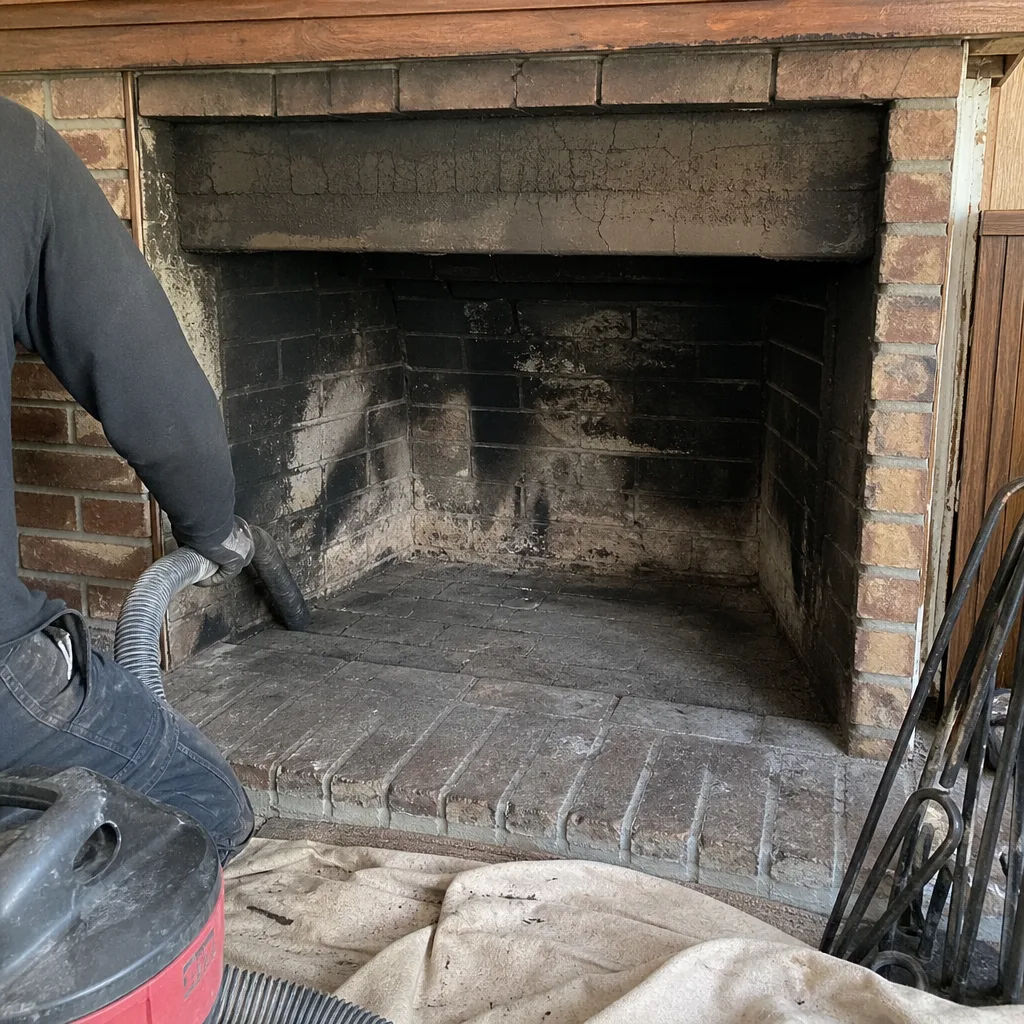 Before
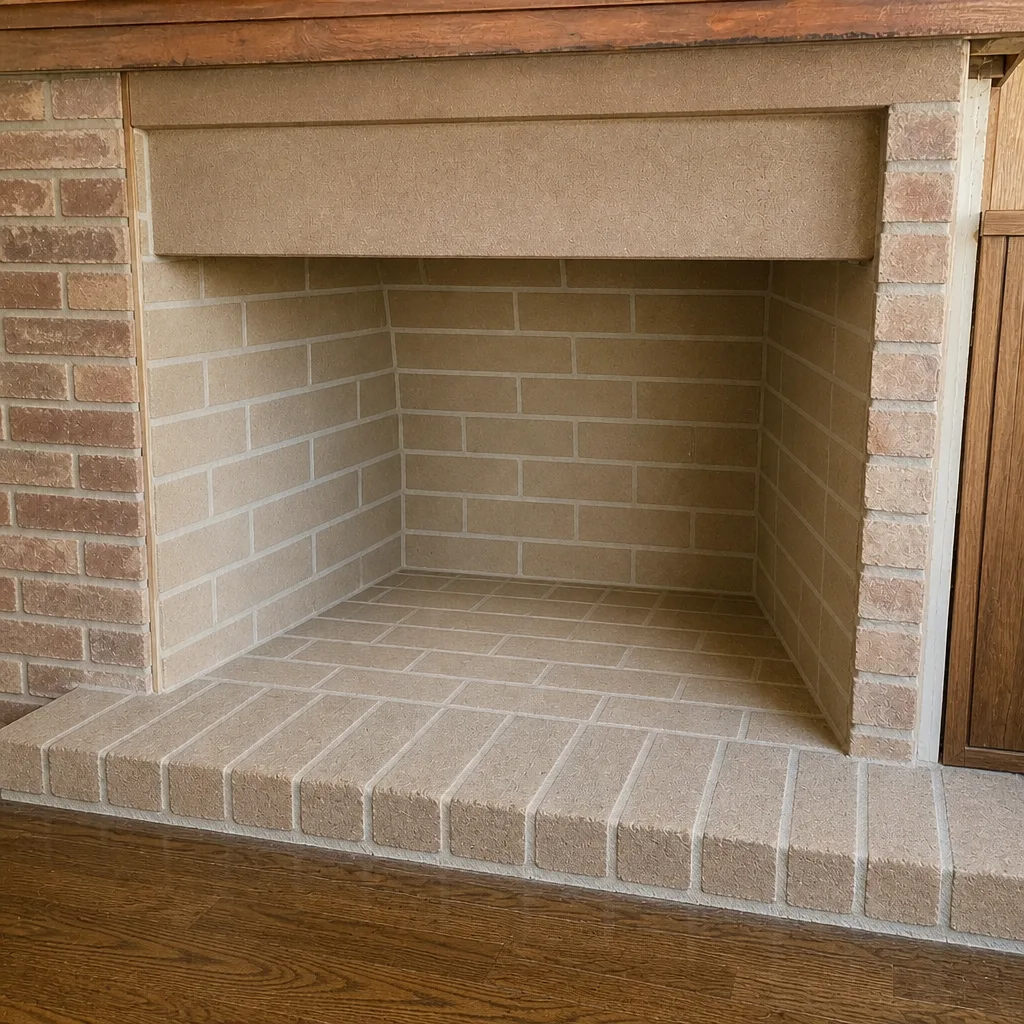 After
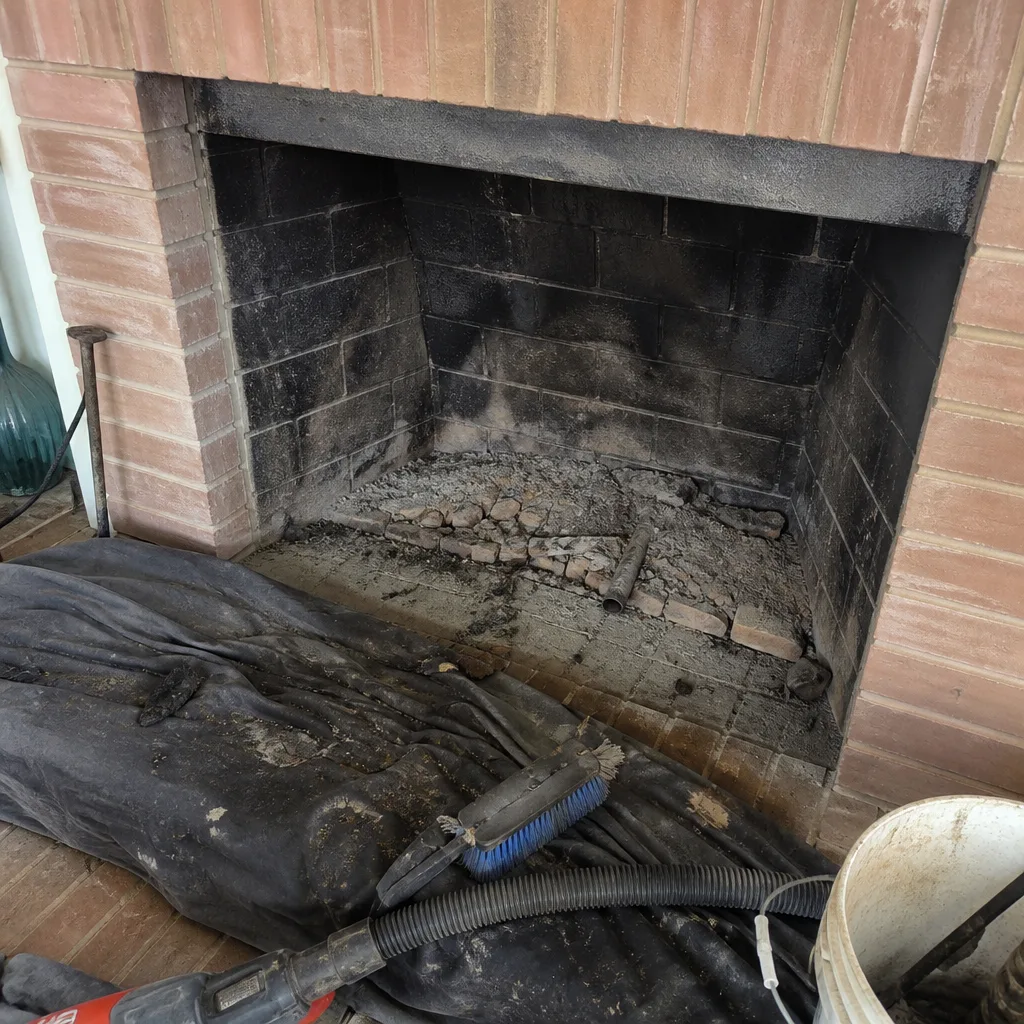 Before
 After
 Before
 After