
Last updated November 5, 2026
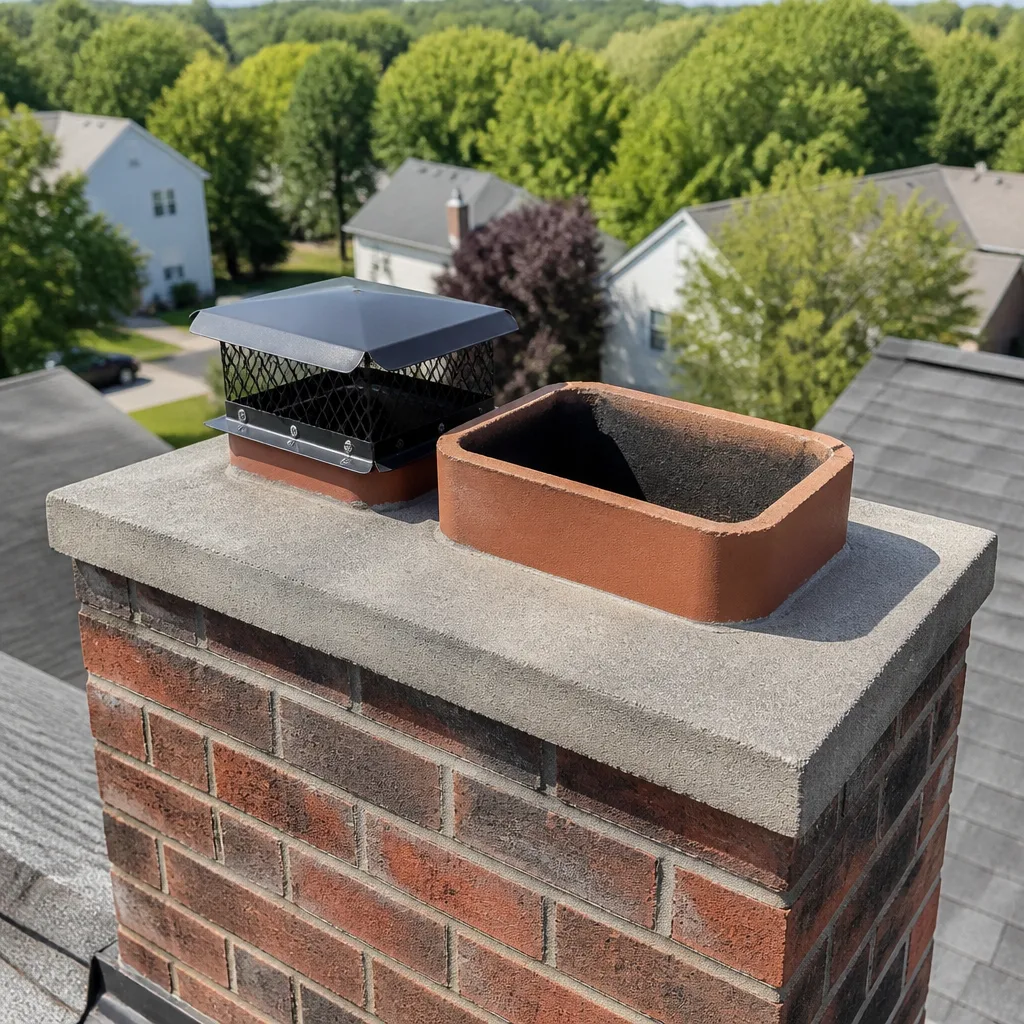 Sweep & inspection
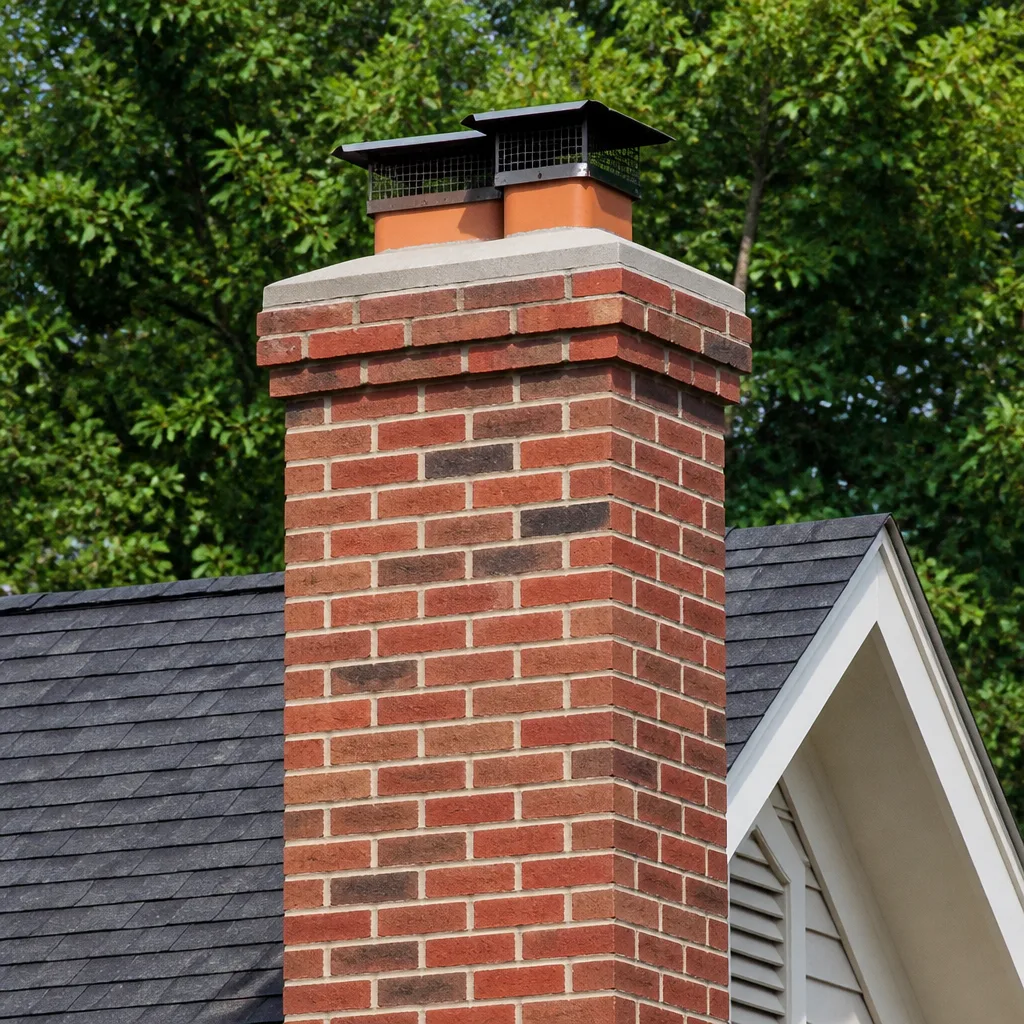 Caps & crowns
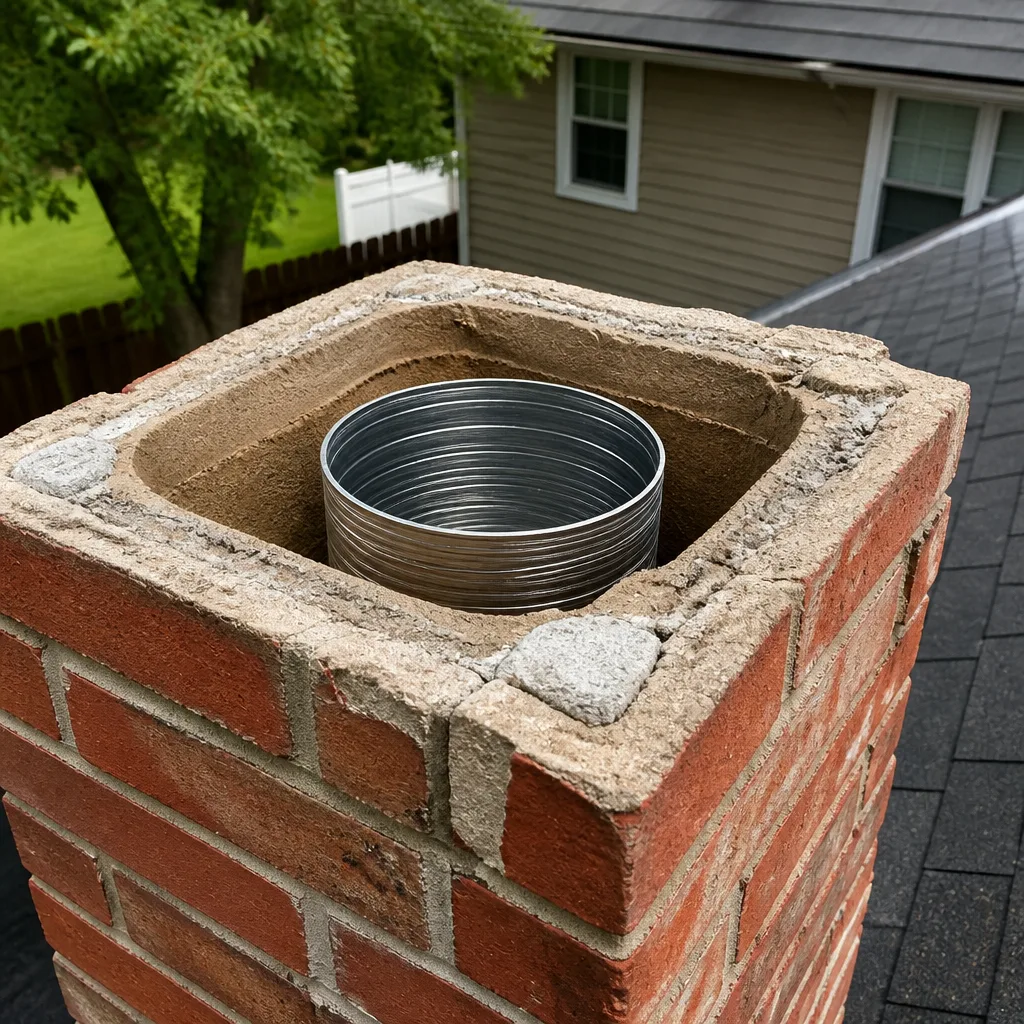 Flue relining
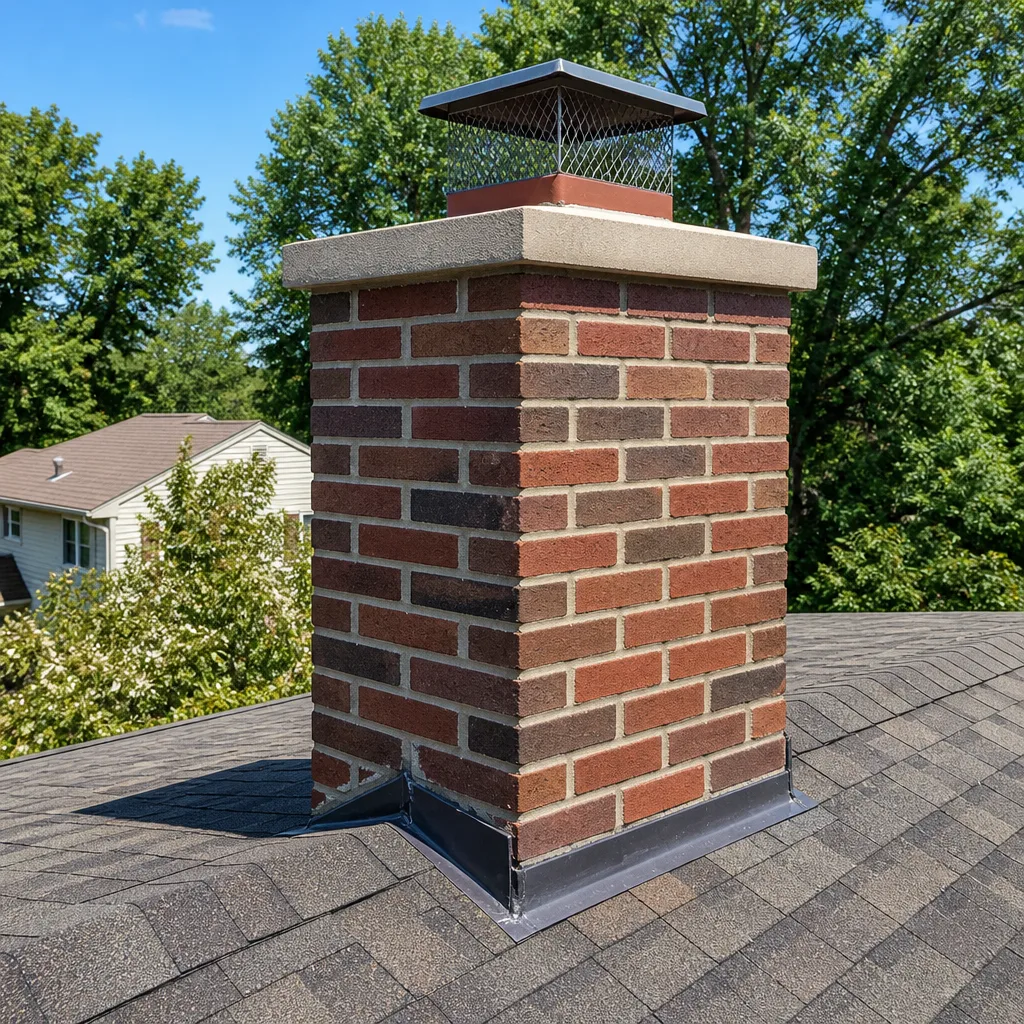 Masonry repair
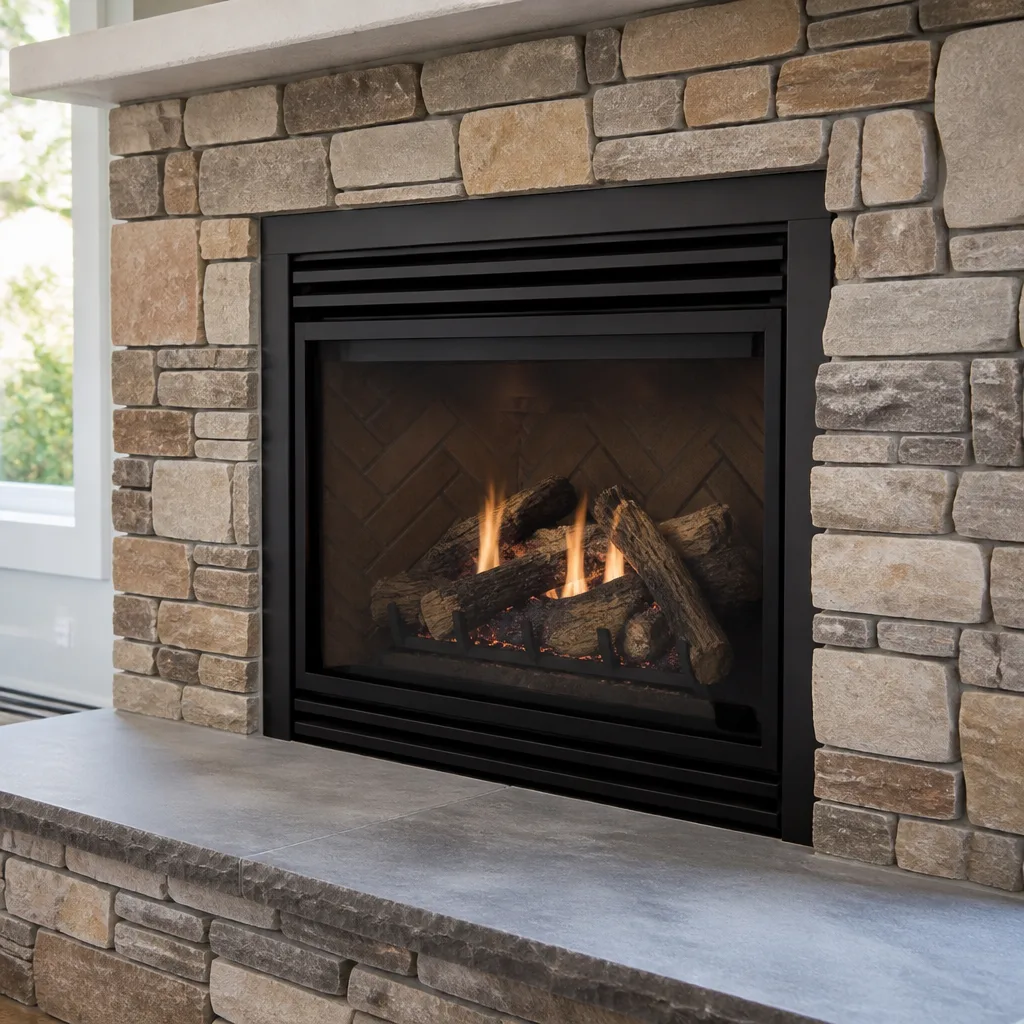 Gas fireplace service
Level 1 sweep and inspection to the NFPA 211 annual standard - flue, crown, cap, and flashing checked and photographed
Chimney sweep logs do not sweep chimneys. They loosen some creosote - which then falls where a brush and vacuum still have to collect it.
Chimney Sweep Maintenance Checklist for Laguna Niguel Homeowners
October is the worst time to book a chimney sweep in Laguna Niguel. By then, every sweep’s calendar is full, Santa Ana winds have already stressed your flue system, and you’re a weekend away from wanting that first fire. This guide flips the traditional advice on its head: instead of the generic “sweep before winter” checklist written for Midwest homes, we’ve built a month-by-month maintenance framework around Laguna Niguel’s actual fire season, which runs May through November. You’ll learn what to check visually, when to act, what to do after a wind event, and how to track your chimney’s condition year over year so you’re never surprised by a repair quote.
Styles & brands we work with
- Sweep & inspection
- Caps & crowns
- Flue relining
- Masonry repair
- Gas fireplace service
Quick Answer
A chimney maintenance checklist for Laguna Niguel homeowners should be built around the local fire season calendar, not a fall-only schedule. The core tasks are: schedule your professional sweep in spring or early summer (before the September-October rush), do a visual inspection monthly during fire season, check the cap and crown after every Santa Ana wind event, run dryer vent maintenance in parallel, and document condition changes with dated photos. This keeps both your fireplace and dryer vent safe through the months when they actually get used or stressed.
Table of Contents
- Why Laguna Niguel Needs a Different Checklist
- Month-by-Month Maintenance Calendar
- Visual Checks You Can Do Without Tools
- What to Do After a Santa Ana Wind Event
- Dryer Vent Milestones to Run in Parallel
- Documenting Chimney Condition Year Over Year
- Common Mistakes to Avoid
- When to Call a Professional
- Frequently Asked Questions
- The Bottom Line
Why Laguna Niguel Needs a Different Checklist
Most chimney maintenance advice online assumes you live somewhere with snow, freezing temperatures, and a heating season that starts in October and ends in April. That advice tells you to sweep in the fall, burn all winter, and close the damper in spring. It’s not wrong for Chicago or Boston. It’s just not written for Laguna Niguel.
Here’s what actually happens in Laguna Niguel. Winters are mild, so the chimney doesn’t work as hard as it does in cold climates. What it does face is a long dry season, Santa Ana wind events between September and November, and a fire season that technically runs May through November. When you use a fireplace sporadically through fall and winter, creosote can build unevenly. When you don’t use it for months, debris accumulates. And when a Santa Ana blows through, dry leaves, twigs, and fine particulate get driven into the flue or across the cap screen.
That means the maintenance rhythm for a Laguna Niguel chimney should follow the local calendar: prepare in spring, monitor through fire season, act after wind events, and service before the holiday season when everyone else decides to start thinking about their fireplace. This isn’t a list of chores. It’s a system for knowing your chimney’s baseline and catching changes before they become hazards or expensive repairs.
The same logic applies to your dryer vent cleaning. Lint buildup doesn’t follow a Midwestern calendar either. In south Orange County, the dryer often runs year-round with the same seasonal stress points as the chimney. We’ll get to those milestones later in this guide.
Month-by-Month Maintenance Calendar
This is the framework we recommend to Laguna Niguel homeowners, built around how the local seasons actually behave. If you follow this, you’ll never be the person calling for a sweep in mid-November and hoping for a cancellation.
May: Book Your Professional Sweep
May is the smart month to schedule a professional chimney sweep in Laguna Niguel. Fire season has just started, and the fall rush is still months away. A May sweep means the flue is clean and inspected before the dry season stress begins. You’ll also have the entire summer to address any structural issues the sweep uncovers, whether it’s a damaged crown, a deteriorating flue tile, or a cap that’s loose.
When we sweep, the process includes a full visual inspection of the accessible flue, smoke chamber, damper, cap, and crown. If we find damage, we can talk through repair options using professional materials like HeatShield for resurfacing deteriorated flue tile or DuraFlex liner systems for full relining. A May appointment means those decisions happen on your schedule, not in a panic before Thanksgiving.
June through August: Monthly Visual Checks
During the summer months, do a quick visual check once a month. You’re looking for anything that changed since the last time you looked. Walk outside and look at the chimney crown for new cracks or spalling. Check the cap screen for accumulation. Inside, open the damper and use a flashlight to look up the flue. Write down anything you notice, and take a photo with your phone.
Summer is also the right time to handle masonry repairs. Hairline cracks in the crown get worse when the dry heat and occasional heat spikes stress the mortar. A small repair done in August is far cheaper than a rebuild done in October.
September: Pre-Wind-Event Inspection
September is the month to take a hard look at everything before the Santa Ana season ramps up. Check that the damper seats properly, that the cap is secure, and that the flue is clear of debris. If you didn’t get your sweep done in May, September is your absolute last comfortable window before the rush. Chances are you’ll still find availability this early in the month. By late September, it’s already getting tight.
This is also when we recommend running a parallel check on the dryer vent. The same dry, windy conditions that stress a chimney also move lint around and dry it out. A clogged dryer vent is a fire hazard on its own. In a month when wildfire conditions are already elevated, attending to both vents matters.
October: Wind-Event Response Mode
October in Laguna Niguel is when Santa Ana winds typically arrive. These winds can reach sustained speeds that stress every part of your chimney. After each significant wind event, do the post-wind checklist described below. Look for displaced caps, debris in the flue, and any sign of backdrafting when you light a fire.
If you discover something wrong in October, be prepared for the reality that every sweep in the area is busy. Call as soon as you notice an issue, not after you’ve talked yourself out of worrying about it.
November: Holiday-Season Readiness Check
By November, the worst of the fall booking crunch is over for those who planned ahead. If you had your May sweep and kept up with visual checks, November is mostly about confirming everything is ready for regular use. Light a small test fire before Thanksgiving. Watch how the smoke draws. If you see smoke spilling into the room, that’s a problem to address now, not after the fire season gets busy.
If you skipped the earlier steps and are just now thinking about your chimney, call anyway. We answer 24/7 and fast dispatch from 7am to 7pm, Sunday through Friday. You may not be able to book a non-urgent sweep the same week in November, but we will tell you straight whether your chimney is safe to use based on what we can see, and get you on the schedule.
December through April: Low-Season Monitoring
This is the period when most Laguna Niguel homeowners actually use their fireplaces, but it’s not a heavy maintenance season. You do want to monitor for creosote accumulation if you burn frequently, especially if you burn wood that hasn’t been properly seasoned. A good rule: if you can see a dull, dark film building up on the flue walls, schedule a sweep even if the calendar says it’s not time yet. Burning a hot, clean fire is safer than burning a smoky one, but neither removes creosote that’s already there.
Late April is also a good moment to do a final seasonal check and make your May sweep appointment for the coming cycle.
Visual Checks You Can Do Without Tools
You don’t need special equipment to keep an eye on your chimney. What you do need is a flashlight, a pair of eyes, and a habit of looking at the same things every time. Consistency matters more than expertise. When you look at the same surfaces month after month, you notice when something changes.
Here are the specific visual checks that tell you the most about your chimney’s condition:
- Check the crown for cracking. The crown is the concrete or mortar slab at the top of the chimney. Look for hairline cracks, flaking, or areas where the surface has spalled away. A cracked crown lets water penetrate the masonry structure below it, which is the single most common source of long-term chimney damage in dry climates like Laguna Niguel. Small cracks are fixable. When they widen, the repair gets bigger.
- Look for efflorescence. Efflorescence is the white, chalky residue that appears on brick when water moves through the masonry and deposits minerals on the surface. It’s a warning sign that moisture is getting where it shouldn’t be. In Laguna Niguel, where rain is sporadic, efflorescence often shows up after the first heavy rain of the season. Don’t ignore it. It means water is moving through the brick, and water is the enemy of masonry.
- Test the damper seating. Open and close the damper fully. It should move smoothly and seat firmly when closed. A damper that doesn’t close properly lets conditioned air escape year-round and can cause backdrafting when the fireplace isn’t in use. If it’s stiff, warped, or doesn’t seal, make a note.
- Inspect the cap screen for blockage. The cap sits on top of the flue and keeps animals, debris, and rain out. The screen around it can fill with leaves, twigs, and other material, especially during the dry, windy months in Laguna Niguel. A blocked screen restricts draft. You can often see this from ground level with binoculars or a phone camera zoom.
- Shine a light up the flue. From inside the firebox, open the damper and shine a bright flashlight up as far as you can see. Look for flaking tile, dark creosote buildup, or debris. You’re not trying to diagnose anything. You’re establishing a baseline of what’s normal for your chimney.
If any of these checks reveals something you haven’t seen before, that’s your cue to bring in a professional who can do a full inspection with proper equipment.
What to Do After a Santa Ana Wind Event
Santa Ana winds are a defining feature of fire season in Laguna Niguel, and they create specific problems for chimneys that most national maintenance guides never mention. High winds can dislodge caps, drive debris into the flue, and most importantly, create negative pressure conditions that cause backdrafting. That’s when combustion gases get pulled back into the home instead of drawing up the flue.
Here’s a step-by-step post-wind checklist:
- Do a ground-level visual check of the cap. Is it still seated straight? Does anything look displaced? High wind can loosen mounting screws or knock the cap off entirely. If the cap is gone, the flue is fully exposed to whatever blows through next.
- Look for debris in the firebox. Open the damper and check for leaves, twigs, or other material that blew down the flue. A small amount is normal after a strong wind event. A large amount means the cap screen failed or the cap itself was displaced.
- Test the draft before lighting a fire. On a cool morning, open the damper and hold a lit match or a strip of tissue paper inside the firebox opening. If the flame or paper is pulled toward the flue, the draft is working. If it flutters or gets pushed back into the room, you have a negative pressure condition and should not light a fire until it’s resolved.
- Check for any masonry damage. Wind itself rarely damages brick, but wind-driven debris can. Walk the perimeter and look for chipped brick or cracked mortar joints that weren’t there before the wind event.
- Run your dryer. During a Santa Ana, lint and fine dust get pulled into exterior vent openings. If your dryer seems to take longer than normal or the flap on the exterior vent cover isn’t opening properly, the vent may be partially blocked. This is a parallel fire hazard worth addressing in the same call as a chimney service.
If anything on this list looks wrong, take photos and call a professional. We can talk through what you’re seeing, tell you whether it’s urgent, and get you scheduled if needed.
Dryer Vent Milestones to Run in Parallel
Most chimney maintenance guides stop at the fireplace. Here’s the problem with that: your dryer vent is part of the same venting system in your home, and it carries the same fire-safety weight. Lint is flammable, and a clogged dryer vent is one of the most common causes of house fires. In Laguna Niguel, where dry conditions make any ignition source more dangerous, dryer vent maintenance deserves to be on the same calendar.
Run these milestones in parallel with your chimney checklist:
- May: Schedule dryer vent cleaning when you book your chimney sweep. The vent should be professionally cleaned at least once a year, more often if you run the dryer daily or have a long vent run. We cover both services, so one appointment can handle the fireplace and the dryer.
- Monthly: Check the exterior vent cover. The flap should open freely when the dryer runs and close when it stops. If it doesn’t, or if you see lint accumulating around the opening, note it.
- After every Santa Ana: Check the exterior vent opening for wind-driven dust or lint buildup.
- Quarterly: Clean the lint trap housing, not just the screen. A vacuum with a narrow attachment works. The trap screen catches most lint, but fine particles get through and accumulate in the housing and duct.
- Annually: Time a full load. If a load that used to take 45 minutes now takes 60, that’s a sign the vent is restricted and needs professional cleaning.
This is the whole-system approach in practice. Your fireplace and your dryer both move air out of the house. Both accumulate flammable material. Both need professional attention on a schedule that respects how you actually live.
Documenting Chimney Condition Year Over Year
The most useful habit a homeowner can develop is not a maintenance task itself. It’s documentation. When you have a dated visual record of your chimney’s condition, you can spot changes before they become failures. You can also have a productive conversation with a contractor instead of relying on memory.
Here’s a simple documentation system that takes minutes per month:
- Create a photo folder on your phone. Name it something simple like “Chimney.” Every time you do a visual check, take the same five photos: the crown from as many angles as you can manage, the cap screen, the exterior masonry from ground level, the interior firebox with the damper open, and the exterior dryer vent cover.
- Label each photo with the date and what you noticed. A note that says “small crack in crown, right side” is gold six months later when you’re trying to remember if that crack was always there.
- Keep a simple log. This can be a note on your phone or a page in a notebook. Date, what you checked, what you found. Three lines per month is plenty.
- Track professional service dates. Write down when the chimney was last swept and when the dryer vent was last cleaned. When a technician visits, ask what they found and add it to the log.
- Share the log with your sweep. When you call Chimney Sweep Laguna Niguel for service, you can tell us exactly what you’ve been seeing and when it started. That context helps us do a better inspection and explain what we find.
A documented baseline also protects you from unnecessary upsells. When a contractor tells you the flue tiles are deteriorating, you’ll either have photos that confirm the change or you’ll know you need a second look. That’s the practical value of being an informed homeowner.
Common Mistakes to Avoid
These are the errors we see most often in Laguna Niguel, and they’re all avoidable.
- Waiting until October to book a sweep. The fall rush is real. Every year we get calls in late October from homeowners who want a sweep before the holidays and discover the calendar is already tight. Book in May and skip the stress entirely.
- Ignoring efflorescence. White chalky residue on brick isn’t cosmetic. It’s water moving through masonry. Left unchecked, it leads to spalling, cracking, and structural repair work that’s far more expensive than addressing the moisture entry point early.
- Not checking the cap after Santa Ana winds. A displaced cap is an open flue. The next rain, the next wind event, or the next nesting season all become bigger problems from a small piece of metal that shifted.
- Burning unseasoned wood. Wood that hasn’t dried properly produces more creosote. In a mild climate like Laguna Niguel, the temptation is to use whatever’s available. Seasoned wood burns cleaner and leaves less behind in the flue.
- Skipping dryer vent maintenance. The dryer vent is the vent everyone forgets. It’s also one of the leading causes of house fires. If your dryer takes longer than it used to, that’s not wear and tear. That’s a blocked vent.
- Assuming no snow means no chimney problems. Mild winters don’t exempt a chimney from deterioration. Heat stress, wind, moisture intrusion, and creosote accumulation all happen here. The failure modes are different, but they’re just as real.
When to Call a Professional
Some things you can handle with a flashlight and a camera. Others require a trained eye, proper equipment, and the right materials. Call a professional when you see significant creosote buildup, when the damper won’t seat properly, when you spot flaking or spalling brick, when efflorescence keeps returning, when the cap is displaced, or when smoke spills into the room during startup. Any of those is a sign that something below the surface needs attention.
If you’re not sure whether what you’re seeing is a problem, the phone call is the cheapest tool in your kit. Chimney Sweep Laguna Niguel offers free estimates in Laguna Niguel. Call (866) 321-6650. We answer 24/7. Fast dispatch from 7am to 7pm, Sunday through Friday. Tell us what you’re seeing, and we’ll tell you honestly whether it can wait or needs attention now.
Frequently Asked Questions
A chimney in Laguna Niguel should be professionally swept and inspected at least once a year, ideally in May or June before the fire season buildup begins. If you burn more than a couple of times per week during fall and winter, you may need a second sweep mid-season. The National Fire Protection Association recommends a sweep when creosote reaches 1/8 inch of accumulation, regardless of calendar time. Call (866) 321-6650 for a free estimate, and we’ll confirm what your chimney actually needs based on how you use it.
Not necessarily. Cracked or deteriorated flue tiles are a serious safety issue because they expose the masonry structure to heat and combustion gases, but a full liner replacement isn’t always the answer. HeatShield resurfacing is a code-compliant, UL-listed repair method that restores the flue interior without tearing out the old liner. We’ll show you camera proof of the damage before recommending anything, and explain whether resurfacing or relining with a DuraFlex system fits your situation. Call (866) 321-6650 for a free estimate and an honest assessment.
After a Santa Ana wind event, check the chimney cap for displacement, look for debris in the firebox, test the draft before lighting a fire, and check the exterior dryer vent cover for blockage. Negative-pressure backdrafting is a specific risk during high-wind conditions, and a simple match or tissue test inside the firebox will tell you if the draft is working properly. Call (866) 321-6650 if anything looks or feels wrong, and we’ll walk through what you’re seeing.
The dryer vent needs professional cleaning when a load takes noticeably longer to dry than it used to, when the exterior vent flap doesn’t open fully during a cycle, or when you can see visible lint accumulation around the exterior opening. Even without these signs, an annual cleaning is the baseline we recommend for most Laguna Niguel homes. Call (866) 321-6650 for a free estimate, and we can include dryer vent cleaning on the same appointment as your chimney sweep.
You can do visual checks and basic firebox cleanup yourself, but a proper sweep requires specialized brushes, rods, and access equipment that most homeowners don’t own. More importantly, a professional sweep includes an inspection of the flue interior, smoke chamber, damper, cap, and crown that catches problems you can’t see from the firebox. Creosote removal is also messy, and a partial DIY job can leave dangerous accumulation behind. Call (866) 321-6650 for a free estimate, and let us handle the parts that need professional attention.
If you skip chimney maintenance, creosote accumulates, water intrusion goes undetected, and small cracks widen into structural failures. The worst-case outcomes are a chimney fire, carbon monoxide backdrafting into the living space, or masonry repair costs that dwarf the price of regular sweeps. In a dry climate like Laguna Niguel, the risk compounds because any ignition source is more dangerous when the surrounding environment is already dry. Call (866) 321-6650 for a free estimate, and we’ll help you build a maintenance schedule that fits your home and budget.
The Bottom Line
A chimney maintenance checklist for Laguna Niguel works best when it follows the local calendar: sweep in May, monitor through the summer, act after wind events, and confirm readiness before the holidays. You can handle monthly visual checks with nothing more than a flashlight and a phone camera. You should document what you see so you have a baseline for conversations with professionals. And you should treat the dryer vent as part of the same system, not an afterthought. When you do need a professional, call (866) 321-6650. We answer 24/7. Fast dispatch from 7am to 7pm, Sunday through Friday. Free estimates, real answers, and the full venting system under one specialist.
Written by the team at Chimney Sweep Laguna Niguel, serving Laguna Niguel since 2014.
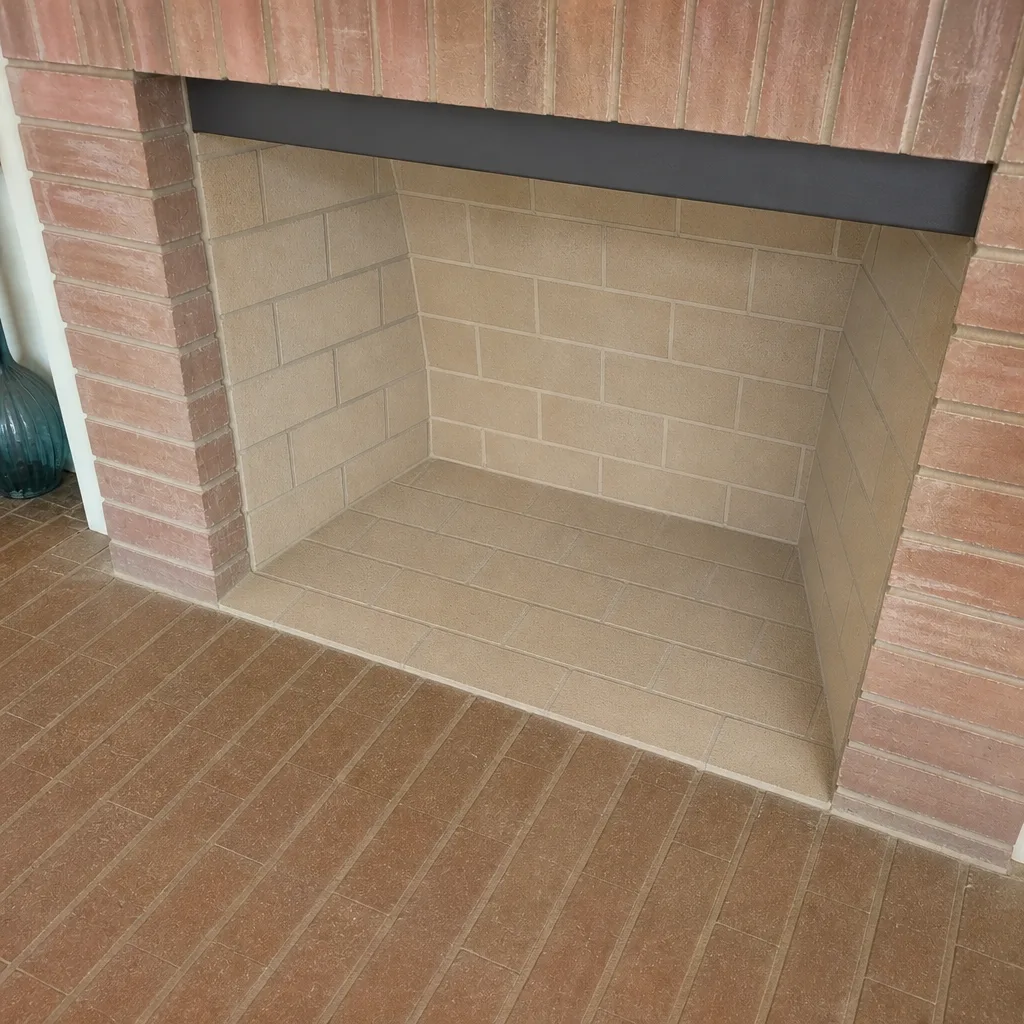
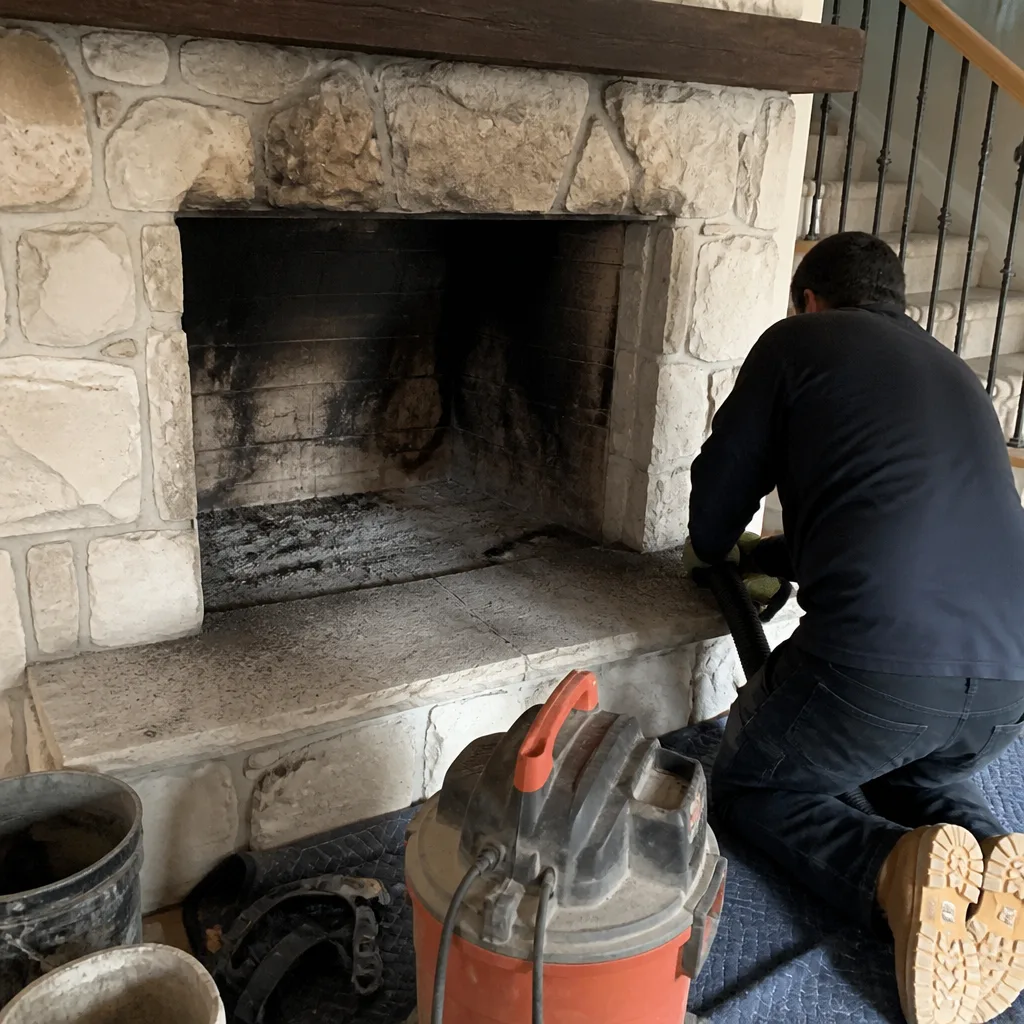
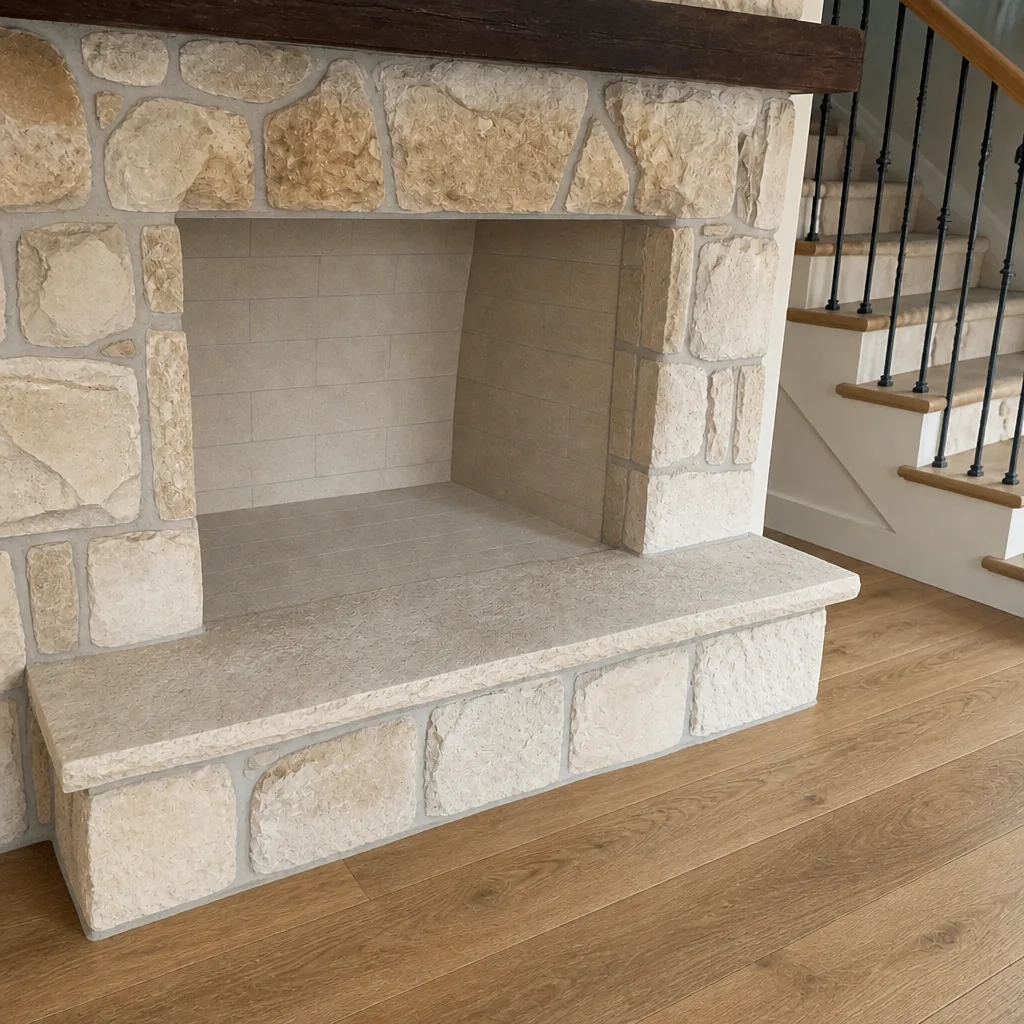
See the difference
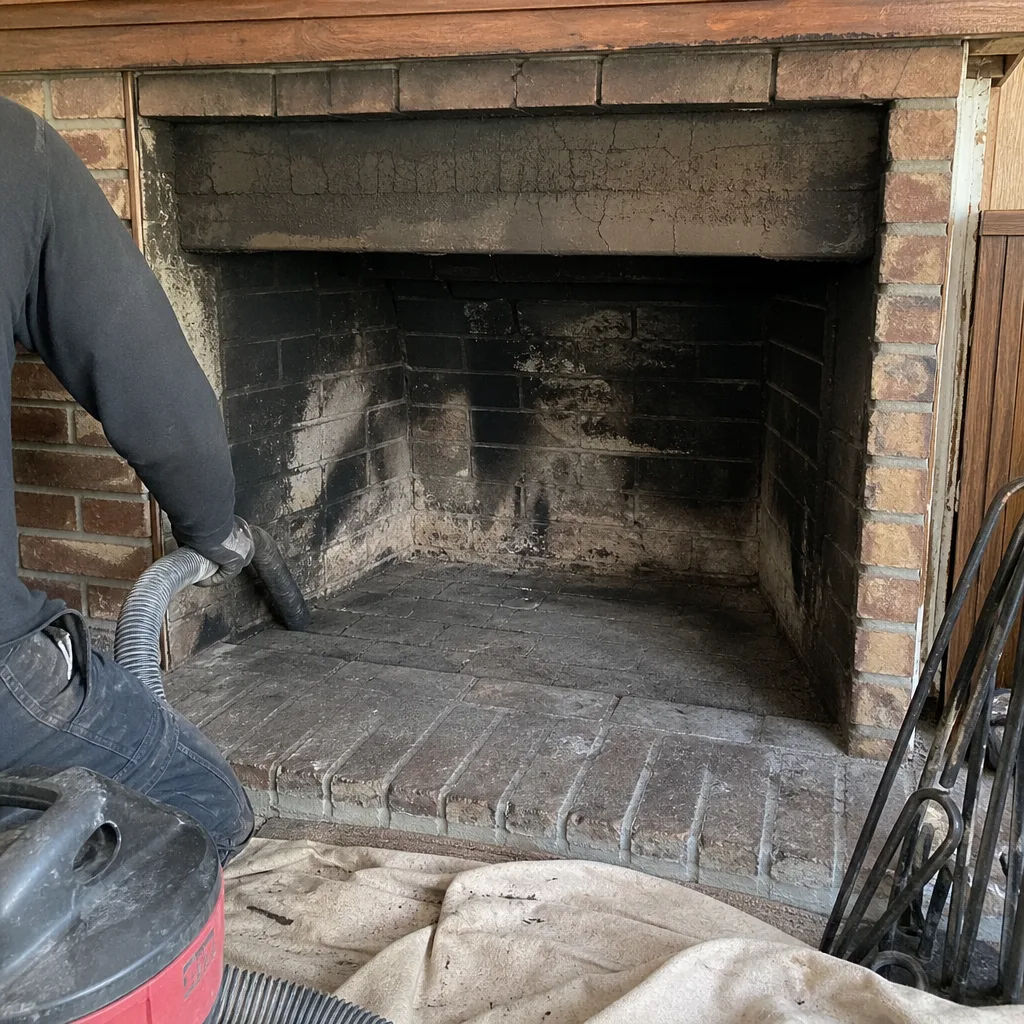 Before
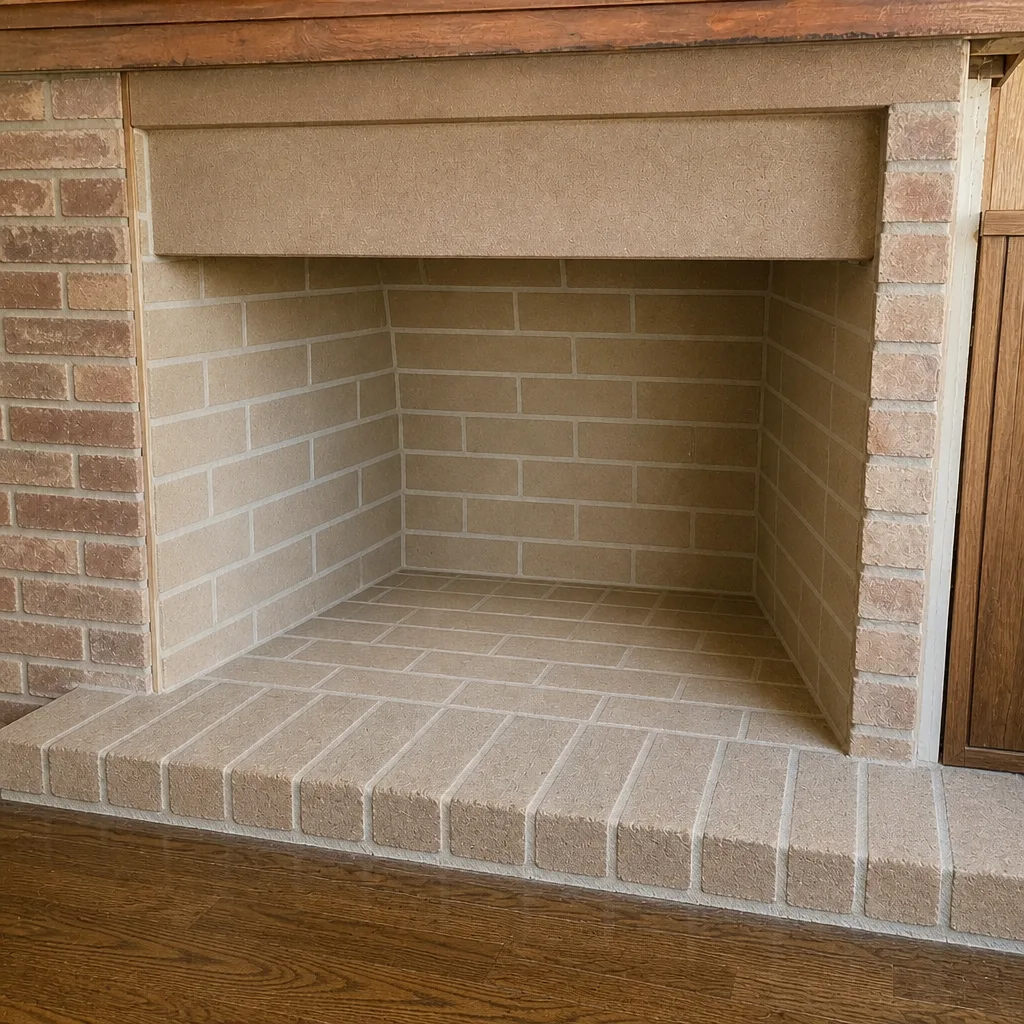 After
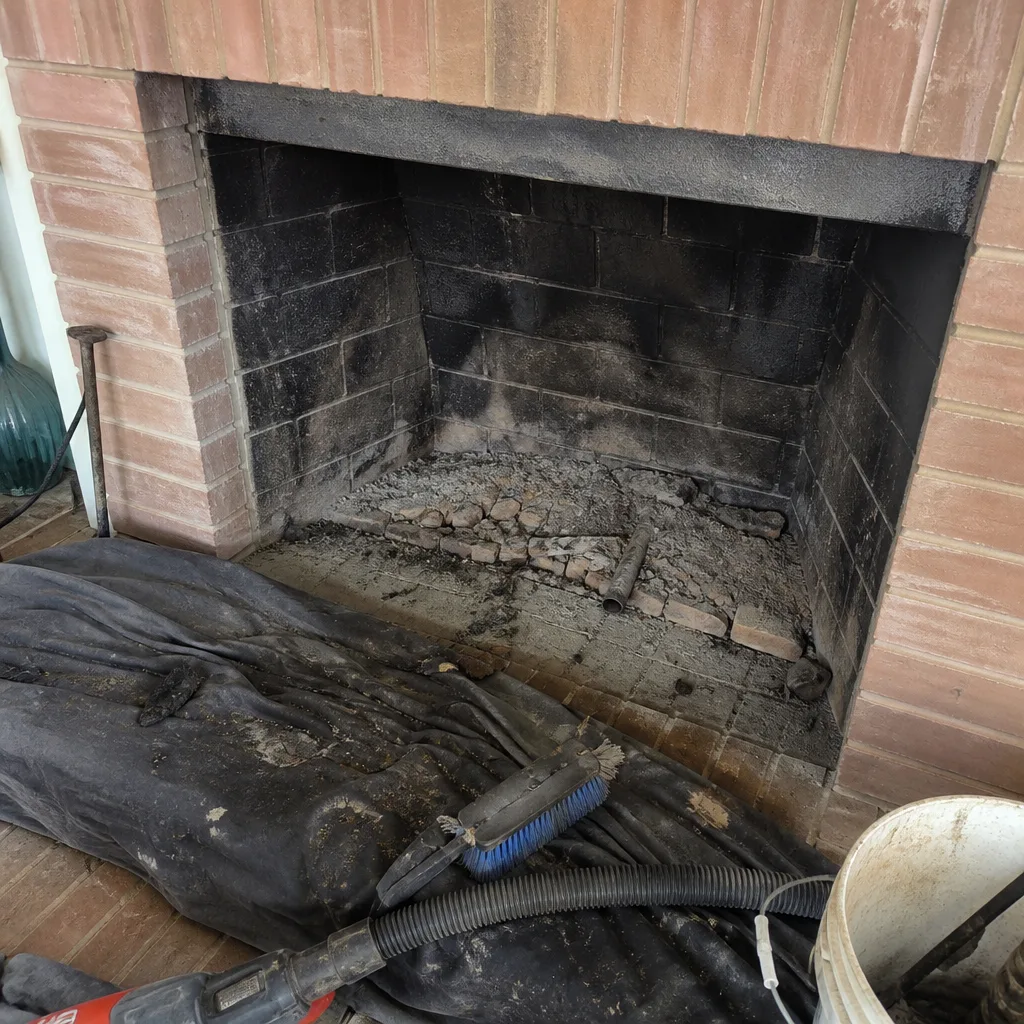 Before
 After
 Before
 After