
Last updated November 5, 2026
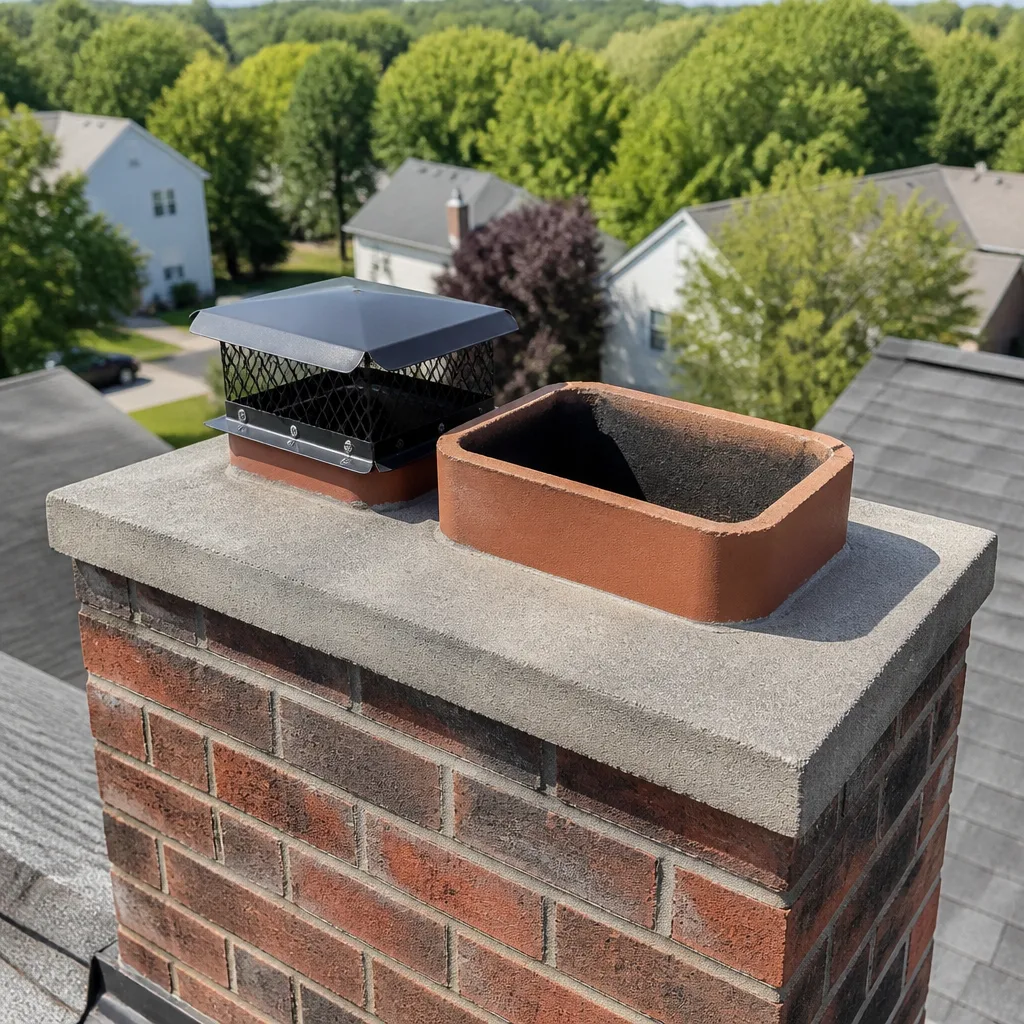 Sweep & inspection
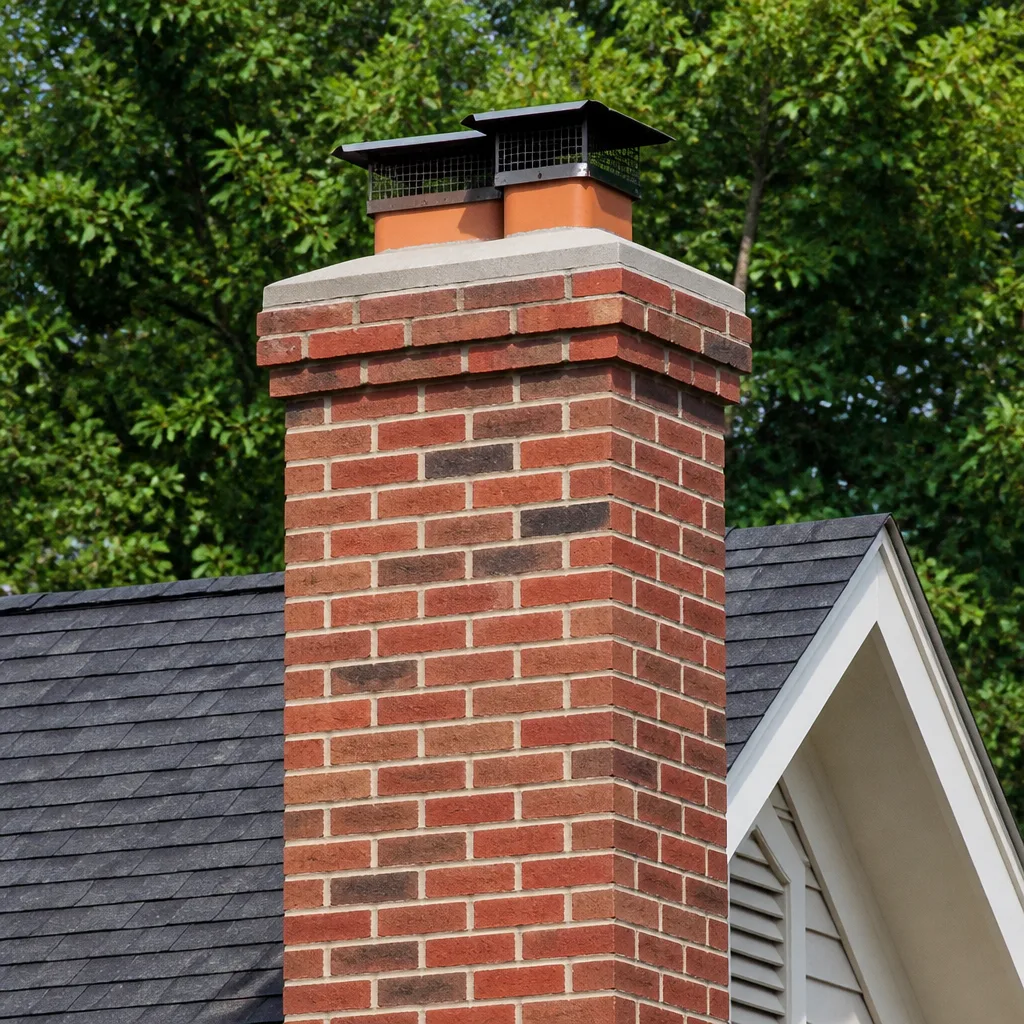 Caps & crowns
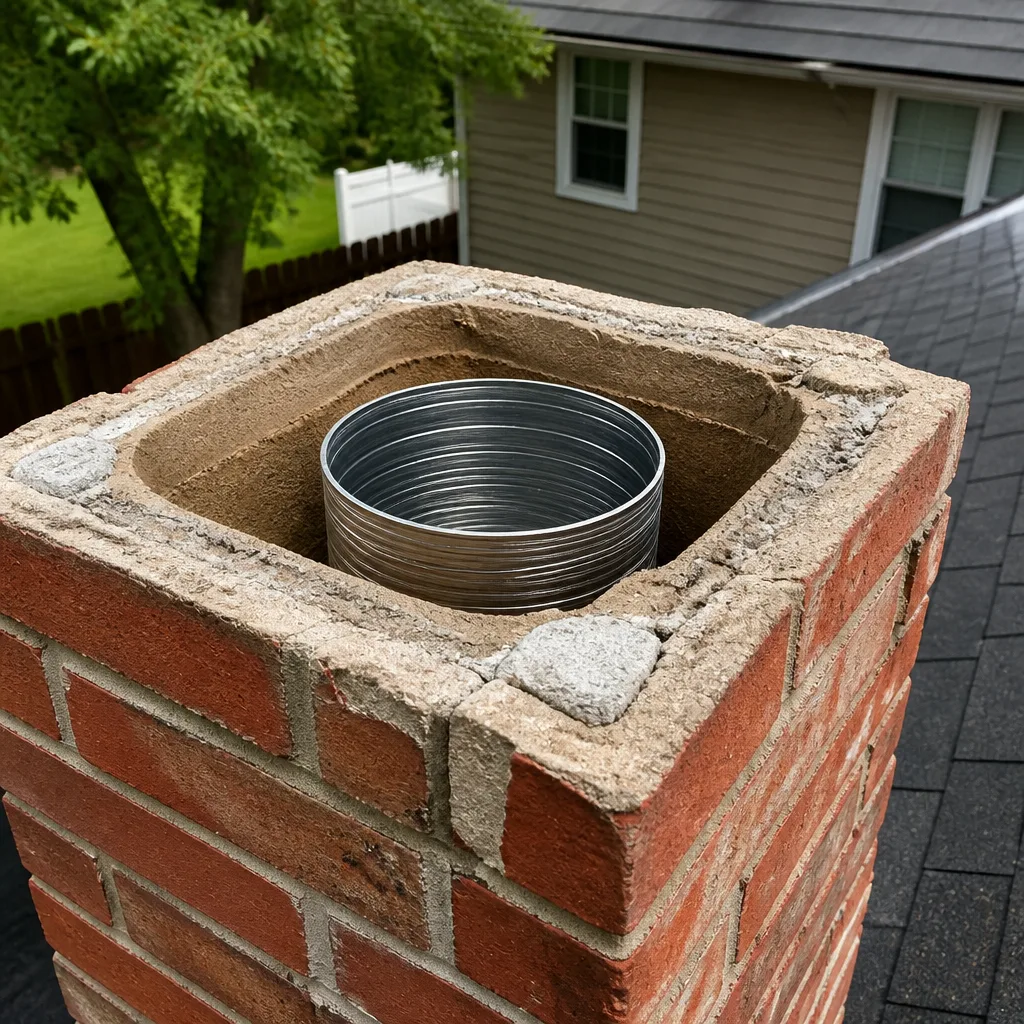 Flue relining
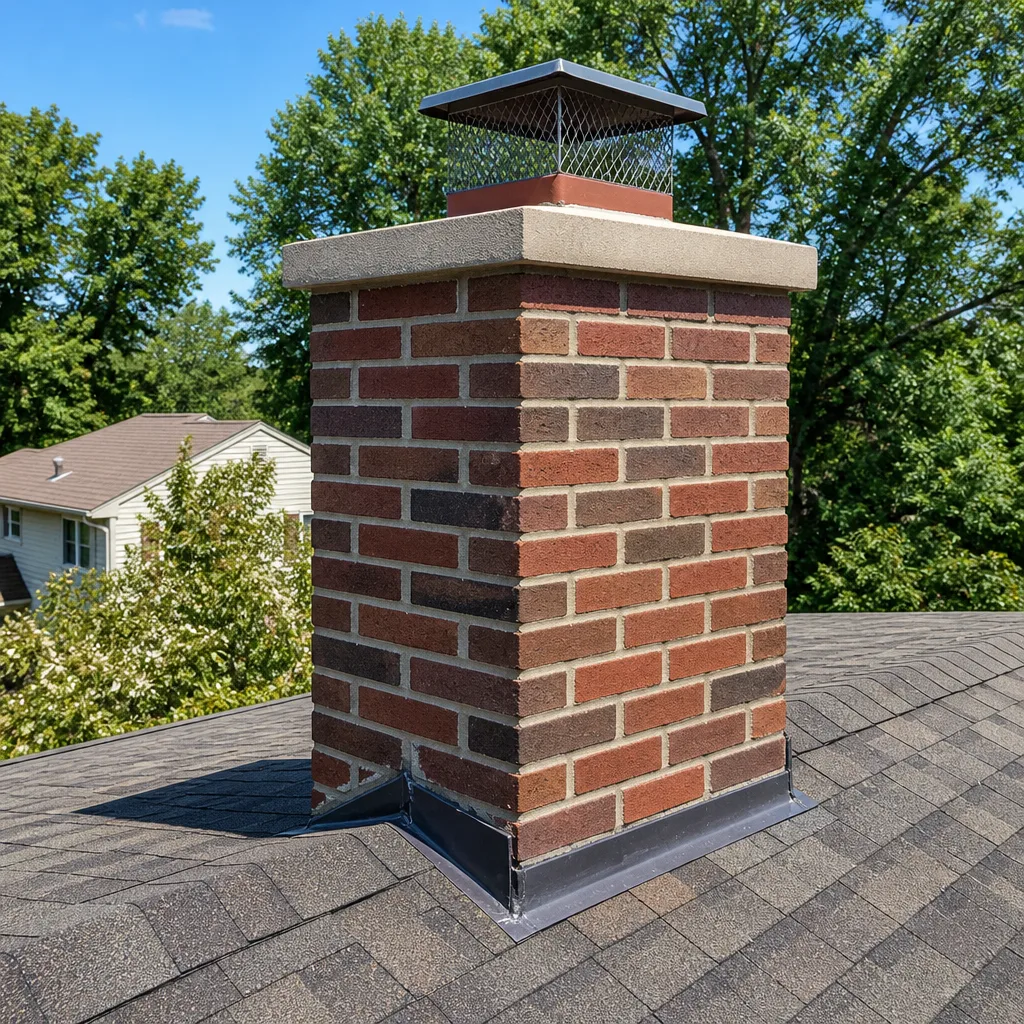 Masonry repair
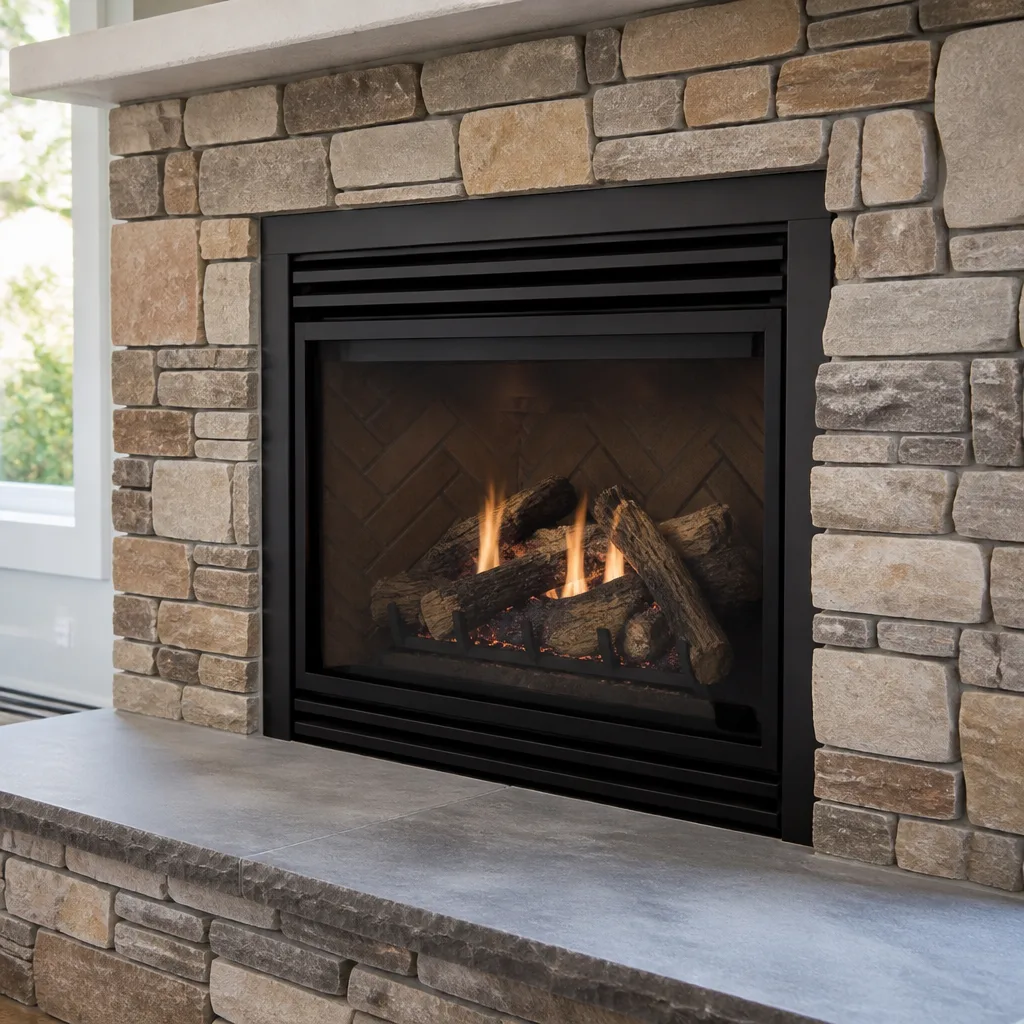 Gas fireplace service
Level 1 sweep and inspection to the NFPA 211 annual standard - flue, crown, cap, and flashing checked and photographed
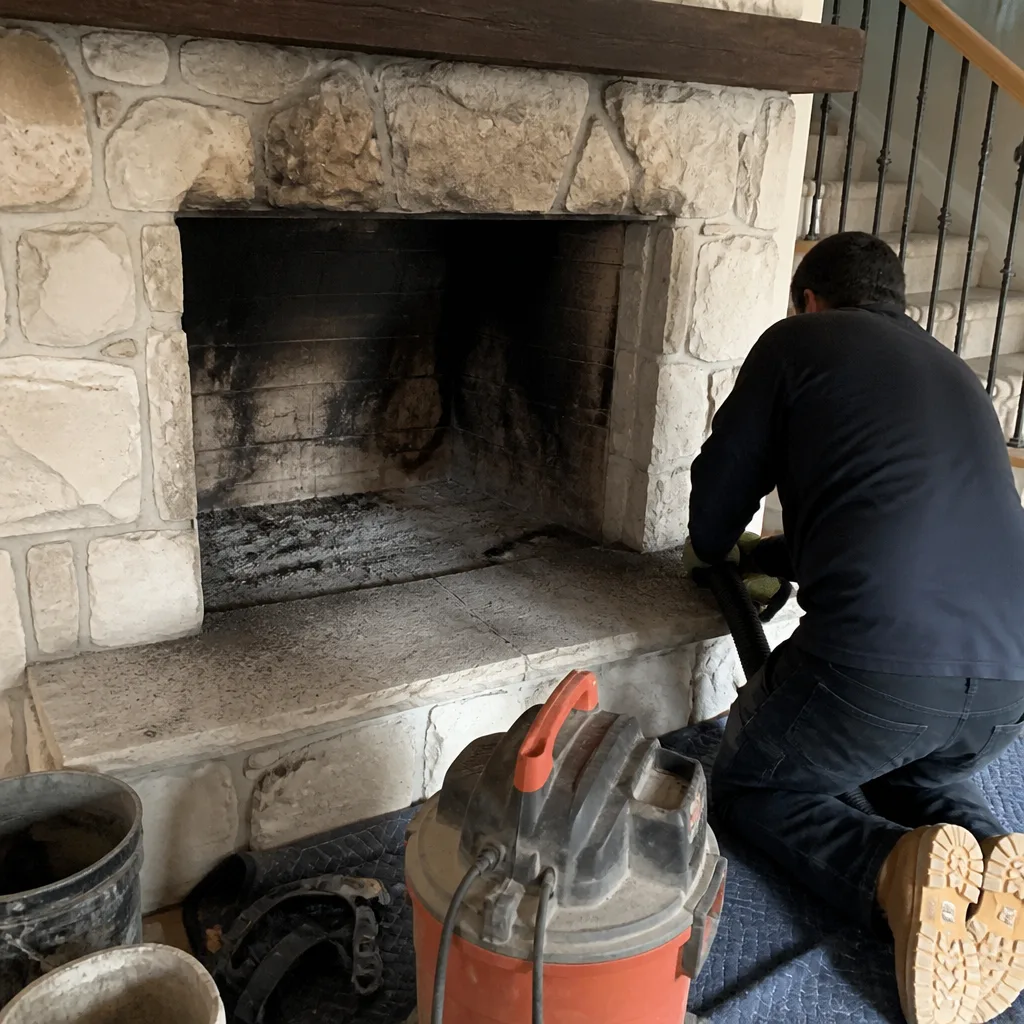
Chimney sweep logs do not sweep chimneys. They loosen some creosote - which then falls where a brush and vacuum still have to collect it.
Chimney Sweep Maintenance Schedule: What to Do and When
Most homeowners in Laguna Niguel treat chimney maintenance like a calendar appointment: once a year, sweep it, done. That approach ignores the two variables that actually determine how fast your system degrades – how you burn and what your flue is made of. A fireplace used twelve times a season with properly seasoned wood needs a very different schedule than one burning daily through December. This guide gives you a maintenance schedule built around your actual usage profile, not a generic annual reminder. If you own a fireplace or dryer in Laguna Niguel, here is what to service, when to service it, and what you can check yourself without any tools.
Styles & brands we work with
- Sweep & inspection
- Caps & crowns
- Flue relining
- Masonry repair
- Gas fireplace service
Quick Answer
Most wood-burning fireplaces in Laguna Niguel should be professionally swept every 40 to 60 fires, which for many households means every 1 to 3 years – not necessarily every 12 months. A lightly used gas fireplace may only need inspection every 2 to 3 years, while a heavily used open hearth burning daily all season should be checked mid-season. Dryer vents need cleaning every 12 months at minimum, and more often in Laguna Niguel tract homes with long horizontal duct runs. Your maintenance calendar should follow usage thresholds and component-specific degradation rates, not a one-size-fits-all annual reminder.
Chimney Sweep Laguna Niguel builds every maintenance schedule around how you actually use your fireplace and dryer.
Table of Contents
- Usage Thresholds: How Much You Burn Changes Everything
- Time-Based Degradation: Components That Age Whether You Burn or Not
- Seasonal Visual Checks You Can Do Yourself
- The Dryer Vent Interval Most Laguna Niguel Homes Overlook
- When to Inspect for Liner Damage: What We Look For
- Masonry and Crown Maintenance: Catching Water Entry Before It Starts
- Common Mistakes to Avoid
- When to Call a Professional
- Frequently Asked Questions
- The Bottom Line
Usage Thresholds: How Much You Burn Changes Everything
The decision to sweep is not driven by a calendar. It is driven by how much creosote has actually accumulated inside your flue. Creosote forms when wood smoke cools and condenses on the chimney walls, and every fire adds to the layer. A flue with a thin, flaky coating is a cosmetic issue. A flue with a quarter-inch of hard, glazed creosote is a fire waiting for the right conditions.
In our experience, Laguna Niguel homeowners split into three clear usage profiles. Here is what each one needs:
- Light seasonal use, fewer than 15 fires per year: If you burn a fire on occasional cool evenings – the kind of use common in Laguna Niguel where winters are mild – your flue builds creosote slowly. Sweep every 2 to 3 years. But inspect the structure annually, because the parts that fail on light-use fireplaces are rarely the flue itself. They are the cap screens, the crown sealant, and the mortar joints that degrade from sun and rain exposure regardless of use.
- Moderate use, 15 to 40 fires per year: This is the typical profile for a household that enjoys fires most winter weekends. Plan on a professional chimney sweep every 12 to 24 months. You will likely see a mix of flaky creosote in the upper flue and denser deposits near the smoke shelf. A sweep at this interval keeps the system below the threshold where a chimney fire becomes a real risk.
- Heavy use, more than 40 fires per year: If you burn daily through the cooler months, you need a sweep every 40 to 60 fires, which may mean twice in a single season. This is the usage level where creosote builds fastest, and it is also the level where using unseasoned wood or running low-temperature fires causes the heaviest deposits. A mid-season inspection is cheap compared to the alternative.
The wood itself matters. Seasoned hardwood with a moisture content below 20 percent burns hot and produces far less creosote than softwood or green wood. Laguna Niguel’s mild, dry climate works in your favor here: wood stored outside with good airflow seasons faster than it would in a humid coastal climate. If you are not sure whether your wood is ready, look for cracking at the ends and a lighter weight. That is not a substitute for proper storage, but it is a useful visual check.
Time-Based Degradation: Components That Age Whether You Burn or Not
Some parts of your chimney system are worn out by use. Others wear out simply by sitting there, exposed to sun, rain, wind, and temperature swings. Laguna Niguel’s climate is kind to homeowners in some ways – no freeze-thaw cycles, no frost heave – but it is not kind to every component. Here is what degrades on a schedule, not a usage count.
Cap gaskets and spark arrestor screens: These sit at the very top of the flue, fully exposed. The metal expands and contracts with every temperature shift between cool mornings and warm afternoons. Over a few years, the gasket seal that keeps rain from running down the outside of the flue will crack and shrink. Screens get clogged with soot, bird nesting material, and wind-blown debris. We recommend inspecting the cap assembly every 24 months even on a fireplace that is rarely used.
Crown sealant: The chimney crown is the concrete slab that caps the masonry. It sheds water away from the flue. Cracks in the crown sealant let water soak into the brick and mortar below, and once water gets in, the repair bill goes up fast. In a climate like Laguna Niguel’s, with long dry stretches punctuated by seasonal rain, sealant failure is common on chimneys older than about 10 to 15 years. A visual inspection every 2 years catches this before a leak starts.
Mortar joints: Brick chimneys hold up well in mild climates, but the mortar between bricks weathers faster than the brick itself. Wind, rain, and even the slow chemical reaction between mortar and ambient moisture erode the joints over time. Once the mortar recedes, the bricks lose structural support and water finds its way in. Repointing – grinding out and replacing the weathered mortar – is a standard repair that is far cheaper than rebuilding a chimney. But it only happens if you look.
Seasonal Visual Checks You Can Do Yourself
You do not need tools or training to spot the early signs of chimney trouble. These checks take ten minutes at the start and end of the burn season, and they tell you whether a professional visit is warranted before any damage spreads.
- Look up the flue with a flashlight, from the fireplace opening: You are looking for a shiny, tar-like glaze on the flue walls, or a thick, flaky buildup that looks like black popcorn. A light dusting of gray soot is normal. A quarter-inch of buildup is not.
- Shine a light on the smoke shelf: That is the flat area just above the damper. Debris, flakes of creosote, or soot accumulation there means the flue is actively shedding and needs attention sooner rather than later.
- Inspect the chimney exterior from the ground: Walk around and look for cracked or missing mortar, a tilting cap, or dark staining on the brick that suggests water is getting in. You can do this from the yard without a ladder.
- Note how the fireplace behaves on a burn: Smoke that puffs back into the room, a fire that struggles to draw, or a persistent smell of smoke in the house after the fire is out all point to airflow problems. These are not normal seasonal quirks; they are indicators of a blocked flue or a drafting issue.
- Check the damper operation: A damper that is stiff, won’t seat fully, or is cracked at the edges changes how air moves through the system. It also lets conditioned air escape in summer. Damper repairs are inexpensive when caught early.
No visual check replaces a professional inspection. What it does is help you know when to call one before a small issue becomes a liner replacement. And if you are looking at a fireplace in Laguna Niguel that has not been used in years, do not assume it is fine because it has been dormant. No-use fireplaces develop their own problems – nested animals, rusted dampers, and ruined cap screens are the most common we see.
The Dryer Vent Interval Most Laguna Niguel Homes Overlook
Dryer vent maintenance is not a chimney problem, but it belongs in the same conversation because the failure mode is identical: lint accumulates, airflow drops, and heat builds until something ignites. Dryer vent fires are a leading cause of residential fires, and the homes most at risk in Laguna Niguel are not the old ones. They are the newer tract homes with long, concealed duct runs.
Here is why. Older homes often have short, straight dryer vents that exit an exterior wall within a few feet of the dryer. Lint still builds up, but the short run means less surface area and easier access for cleaning. Newer homes in master-planned communities around Laguna Niguel frequently route dryer exhaust through interior walls, up through attics, and out through the roofline. Those runs can be 20 to 40 feet, with multiple bends, and every bend is a place where lint slows down and gets trapped. The longer the run, the more lint settlement per drying cycle, and the more often the vent needs mechanical cleaning.
The industry-standard recommendation is annual dryer vent cleaning for an average household. For larger families doing multiple loads daily, twice a year is appropriate. But we see plenty of Laguna Niguel homes that need attention sooner than 12 months, not because of load count but because of duct design. If your dryer takes longer than one cycle to dry a normal load, or if the exterior vent flap barely opens during operation, the duct is already restricted.
Here is a schedule that works for most households:
- Light use, 1 to 3 loads per week, short direct vent: Clean every 18 to 24 months. This is the forgiving exception, rare in newer Laguna Niguel construction.
- Average use, 3 to 6 loads per week, any vent length: Clean every 12 months. Schedule it at the same time each year so it does not slip.
- Heavy use, daily laundry, long or multi-bend vent: Clean every 6 to 12 months. If the vent runs through the attic or has more than two elbows, lean toward 6 months.
The brand of dryer does not change the physics. Lint is lint. The variables are duct length, duct diameter, number of bends, and how often you run the machine. Those are the inputs that determine your interval.
When to Inspect for Liner Damage: What We Look For
The flue liner is the most important safety component you never see. It keeps heat and combustion gases contained within the flue path so they do not leak into the house or ignite the surrounding structure. Liners fail in a few predictable ways, and they rarely give a warning sign you can detect by simply looking up the flue with a flashlight.
Clay tile liners, which are the standard in most older Laguna Niguel chimneys, crack from heat stress over time. A hairline crack is easy to miss from below, but it is all the opening a chimney fire needs. Once the integrity of a clay liner is compromised, the repair options narrow quickly. One option is a DuraFlex flexible liner system – a stainless steel liner that runs inside the existing flue and restores a continuous combustion path without tearing out the original structure. We use DuraFlex for exactly this reason: it is a professional-grade product engineered for long-term performance, not a patch that gets you through one more season.
Another repair path we use is HeatShield, a coating system that resurfaces deteriorated flue tile. HeatShield is code-compliant and UL-listed, and it fills cracks and gaps in clay liners while preserving the original flue. It is the right choice when the liner is mostly intact but beginning to fail, and it is a repair we can complete without demo.
The takeaway: a visual check from the fireplace opening will not tell you whether your liner is safe. A professional inspection with the right equipment will. If you have not had your liner inspected in three or more years, or you have bought a house without a chimney inspection record, that inspection belongs at the top of your maintenance list.
Masonry and Crown Maintenance: Catching Water Entry Before It Starts
Water is the enemy of a masonry chimney, and the cost difference between catching water damage early and waiting is enormous. Small cracks resealed with the right crown product run a few hundred dollars. Rebuilding a chimney that has rotted from the inside runs into the thousands. The difference is typically measured in how many rainy seasons the damage was left unattended.
Laguna Niguel’s climate does not hammer chimneys the way a freeze-thaw environment would, but that can lull homeowners into a false sense of security. The reality is that UV exposure dries out mortar and sealants steadily, and the seasonal rains that follow long dry periods are when small cracks start letting water in. You will not see the damage from your living room. It shows up as powdery mortar, rust stains running down the brick, or damp patches on interior drywall near the chimney chase.
Here is a masonry maintenance schedule that works for this area:
- Every 3 to 5 years: Have the chimney crown sealant inspected and renewed as needed. This is the single most effective preventive step for water intrusion.
- Every 5 to 7 years: Plan for a mortar joint assessment, especially if the chimney is older construction. Repointing may be needed on sections facing prevailing weather.
- Whenever a visual check shows efflorescence: That white, chalky powder on brick or stone is minerals leaching out of wet masonry. It is a sign that water is moving through the structure, and the source should be found.
- Immediately if you see interior staining or moisture: Do not wait. By the time water reaches interior surfaces, the intrusion has been active for a while.
The crown and cap are also where we source our replacement parts from Copperfield and Olympia Chimney – two industry-recognized supply networks that carry professional-grade components. The point is not the brand name on a box. The point is that the parts are made for chimney systems, not generic hardware store substitutions, and they hold up.
Common Mistakes to Avoid
- Skipping an inspection because you barely use the fireplace: Light use slows creosote buildup but does nothing for cap gaskets, crown cracks, mortar weathering, or animal intrusion. A no-use chimney can have a blocked flue from a bird nest and you would not know it until the first fire of the season smokes out the room.
- Using the “one sweep per year” rule without considering how much you burn: A household that burns 50 fires a season and a household that burns 5 are on different maintenance schedules. Sweeping twice in a heavy season is not over-servicing; it is matching the service to the actual buildup.
- Assuming a gas fireplace needs no maintenance: Gas burns cleaner than wood, but gas appliances still produce combustion byproducts, and they still need ventilation. Logs deteriorate, valves wear, and the flue can become obstructed by debris. A gas fireplace needs inspection every 2 to 3 years in most cases.
- Delaying dryer vent cleaning because the dryer still works: Dryers work with restricted airflow; they just work slower and hotter. The first sign of a serious lint blockage is not poor drying. It is often a burning smell or an exterior vent that no longer opens. If drying times have crept up, do not wait for the smell.
- Ignoring small cracks in the crown or mortar: The crack does not repair itself, and it does not stay the same size. Water enters, expands the crack, and the cycle repeats. What starts as a sealant job becomes a repointing job becomes a rebuild. The longer you wait, the more the repair ladder climbs.
- Burning anything other than seasoned wood: Green wood, construction scraps, wrapping paper, cardboard, and especially treated lumber all create either heavy creosote or toxic byproducts. The fireplace is not a trash incinerator. Burn dry, seasoned firewood and nothing else.
When to Call a Professional
A professional chimney sweep is warranted when you see thick creosote buildup, black glaze on the flue walls, or evidence of water intrusion around the chimney. It is also warranted when your fireplace is new to you – whether from a recent home purchase or years of disuse – because inherited chimneys carry inherited unknowns. If your dryer takes longer than one cycle to dry a load, or the exterior vent flap is sluggish, schedule a dryer vent cleaning before running another load. Chimney Sweep Laguna Niguel offers free estimates in Laguna Niguel – call (866) 321-6650. We answer 24/7. Fast dispatch from 7am to 7pm, Sunday through Friday.
Frequently Asked Questions
Most chimneys should be swept every 40 to 60 fires, which translates to every 1 to 3 years for typical Laguna Niguel usage. Light seasonal use under 15 fires per year can go to 3 years, while heavy daily burning should be swept twice per season. The usage count matters more than the calendar. Call (866) 321-6650 and we can help you figure out what your specific usage profile needs.
You can extend the interval between sweeps, but you cannot skip inspections entirely. Light use means creosote builds slowly, but the cap, crown, mortar, and damper all degrade on a time-based schedule regardless of whether you burn. A visual inspection every 2 years catches structural problems while they are still small.
Yes. Gas fireplaces need less frequent cleaning than wood-burning ones because they produce less particulate, but they still need periodic inspection. Burner components wear, logs deteriorate, and the venting pathway can become obstructed. A gas fireplace inspection every 2 to 3 years is a sound schedule.
Most households should clean their dryer vent every 12 months. Homes with long duct runs through attics or interior walls – common in newer Laguna Niguel construction – often need service every 6 to 12 months. If drying times are increasing, the vent is already restricted and should be cleaned soon. Call (866) 321-6650 for a free estimate.
Signs include flakes of clay tile in the firebox or on the smoke shelf, a visible gap or crack in the flue from a flashlight inspection, or a history of chimney fires. Most liner damage goes unnoticed until a professional inspection uses a camera, which is why regular inspections are more important than visual checks alone. We use DuraFlex and HeatShield for liner repairs, both professional-grade products built for long-term performance.
Yes. Shine a flashlight up the flue from the firebox and look for thick, shiny buildup. Inspect the chimney exterior from the ground for cracked mortar or a crooked cap. Note how the fireplace draws during a fire. If the damper is stiff or smoke puffs back into the room, call a professional. These checks take ten minutes and help you know when to book service. Call (866) 321-6650 – estimates are free.
The Bottom Line
Your chimney maintenance schedule should follow two tracks. First, the use-based track: sweep after 40 to 60 wood fires, inspect gas fireplaces every 2 to 3 years, and clean dryer vents every 6 to 12 months depending on duct length and household laundry volume. Second, the time-based track: inspect cap gaskets, crown sealant, and mortar joints every 2 years regardless of how much you burn, because those components age with the weather, not the fire. For most Laguna Niguel homeowners, that means an inspection every couple of years and a sweep every 1 to 3 seasons. The calendar is the wrong tool for this job. Usage thresholds and component-specific wear are the right ones, and they tell you what to do before a problem ever shows up indoors.
Written by the team at Chimney Sweep Laguna Niguel, serving Laguna Niguel since 2014.
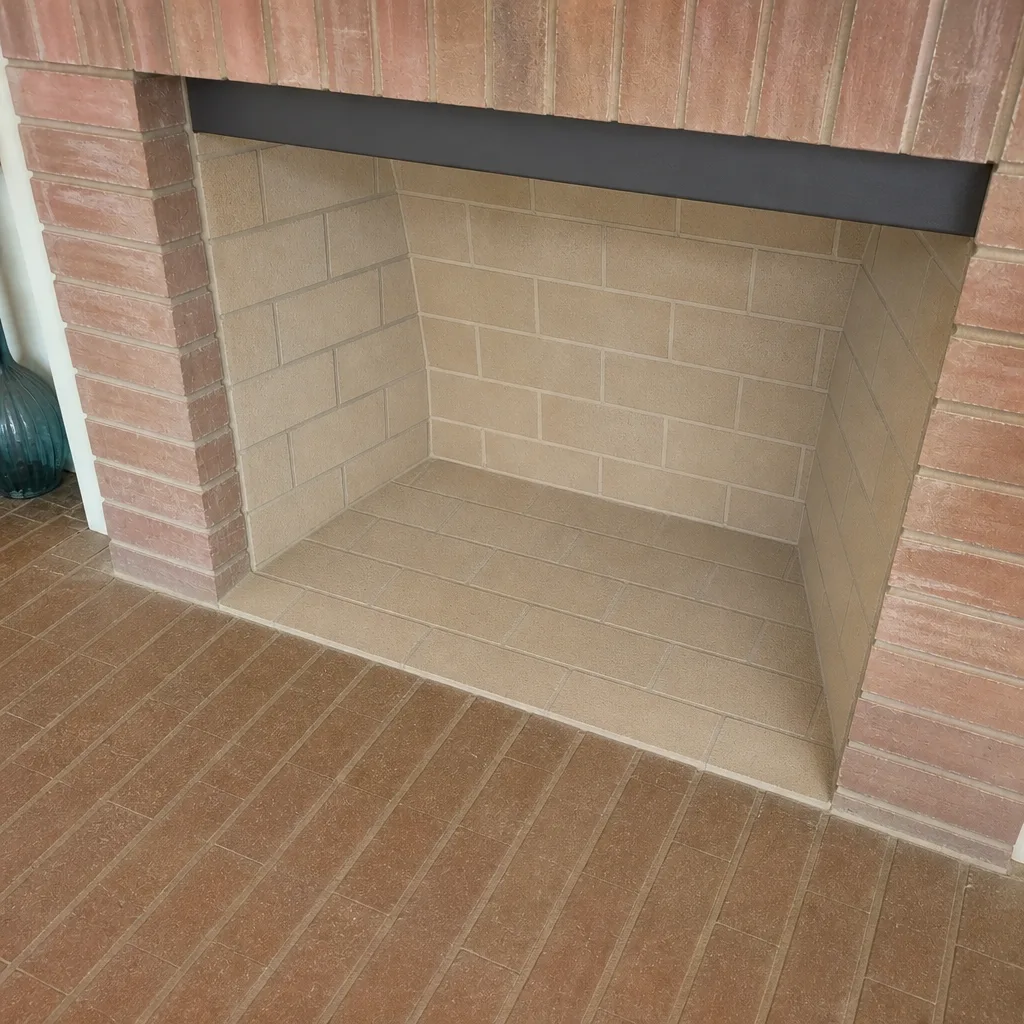
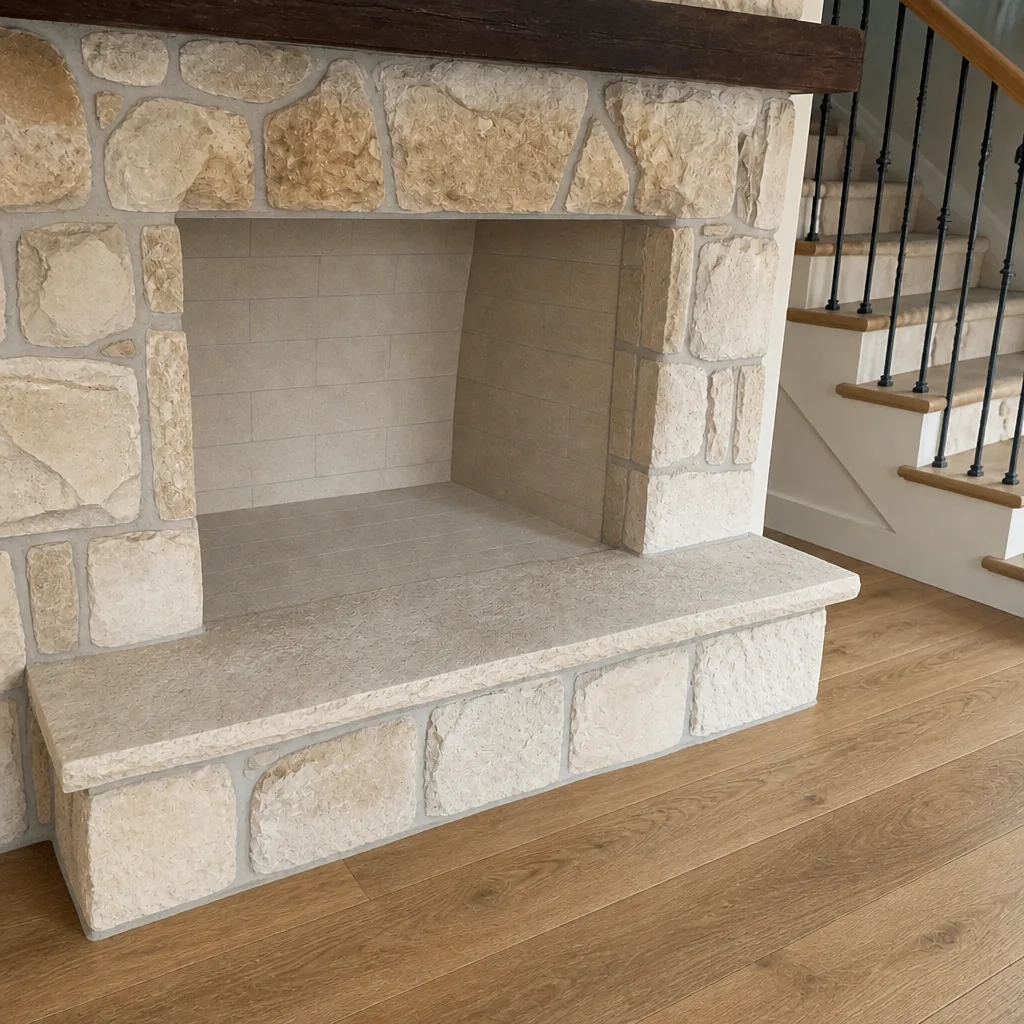
See the difference
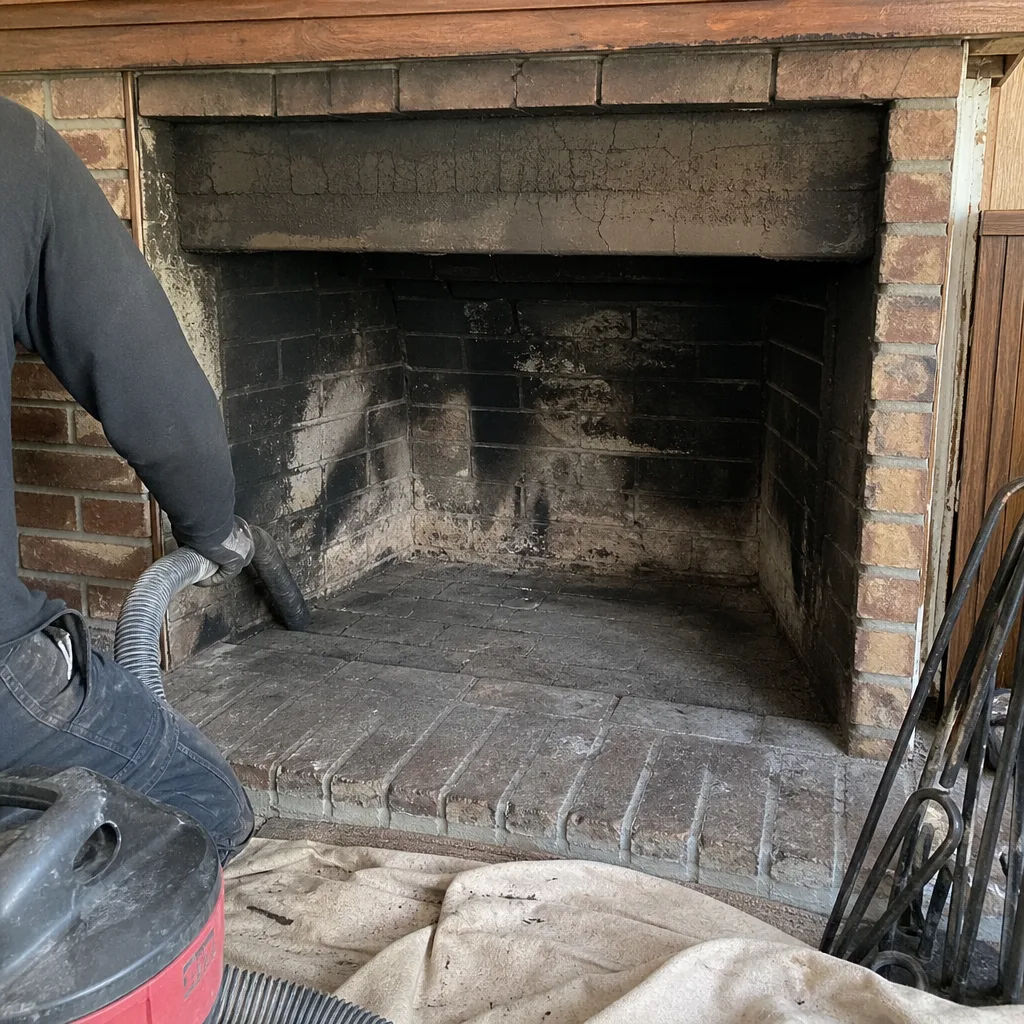 Before
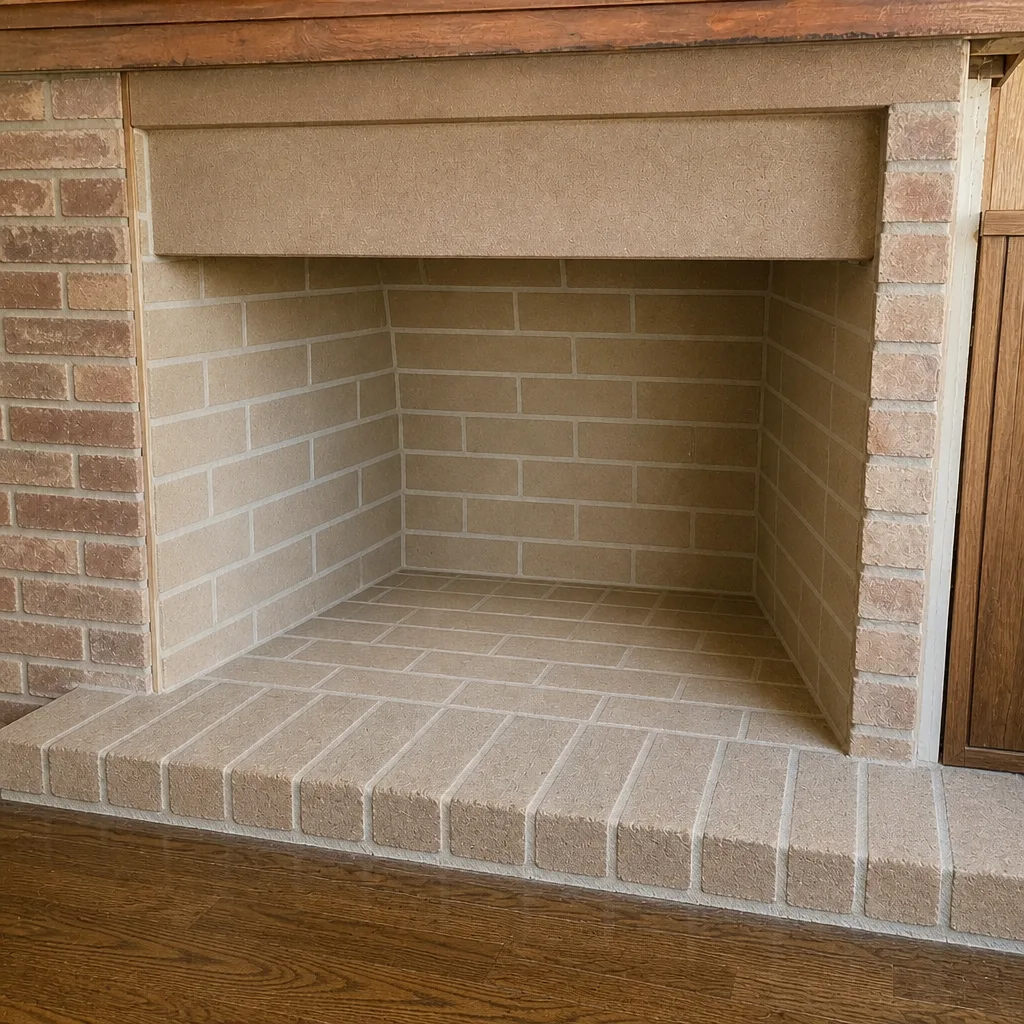 After
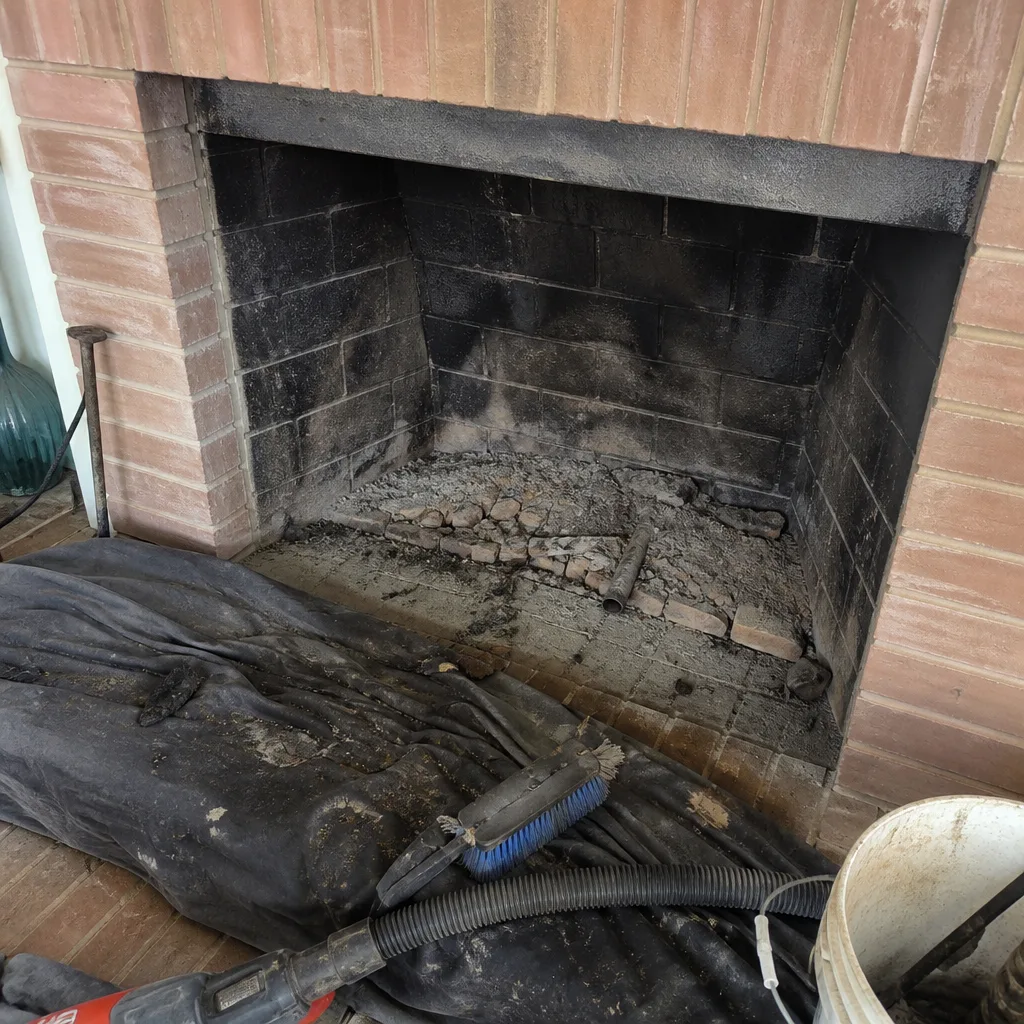 Before
 After
 Before
 After