
Last updated November 5, 2026
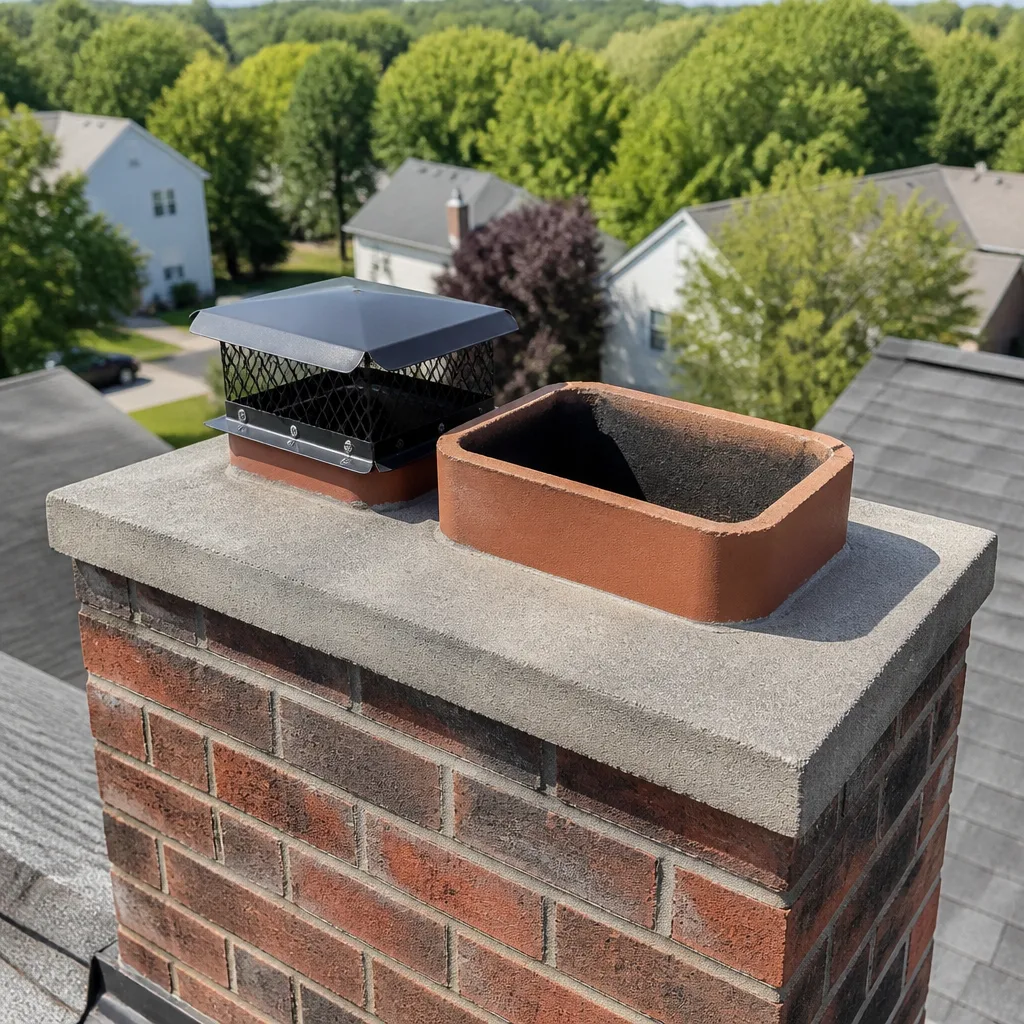 Sweep & inspection
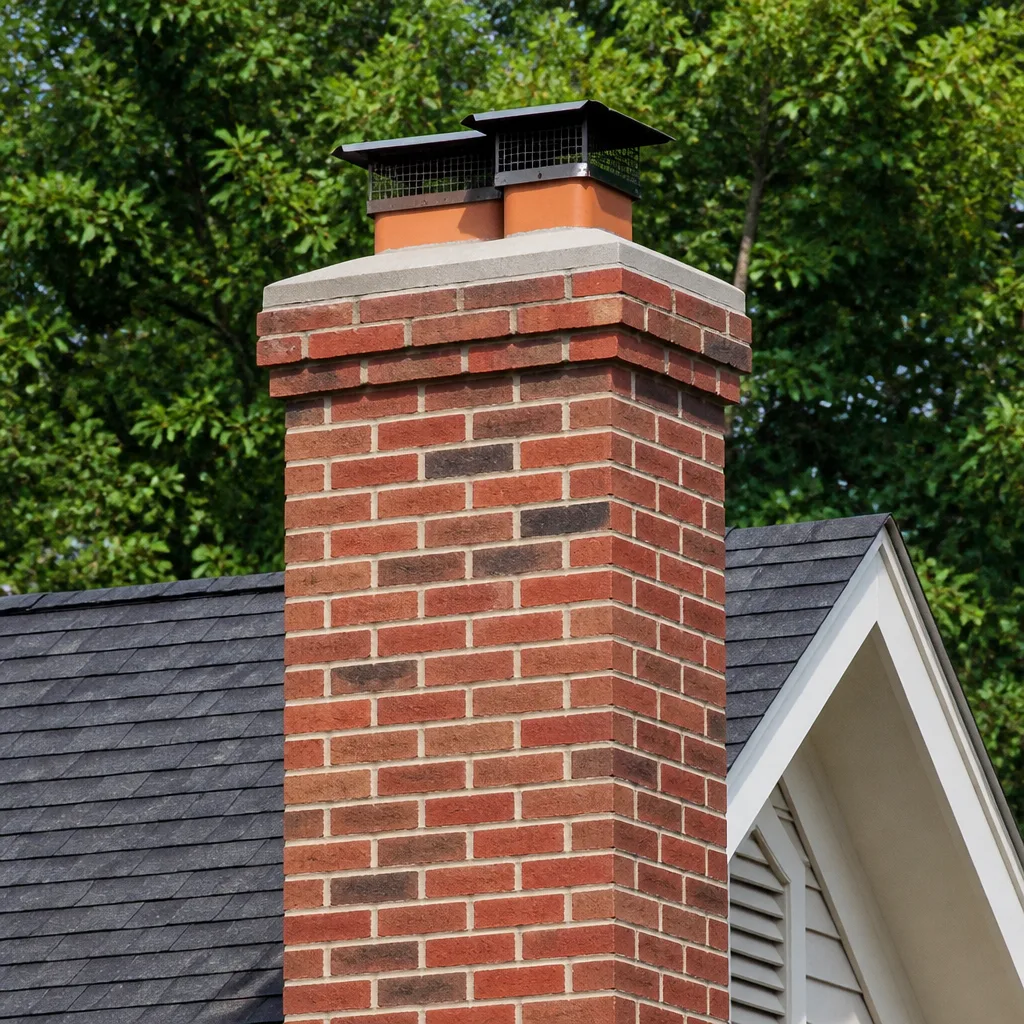 Caps & crowns
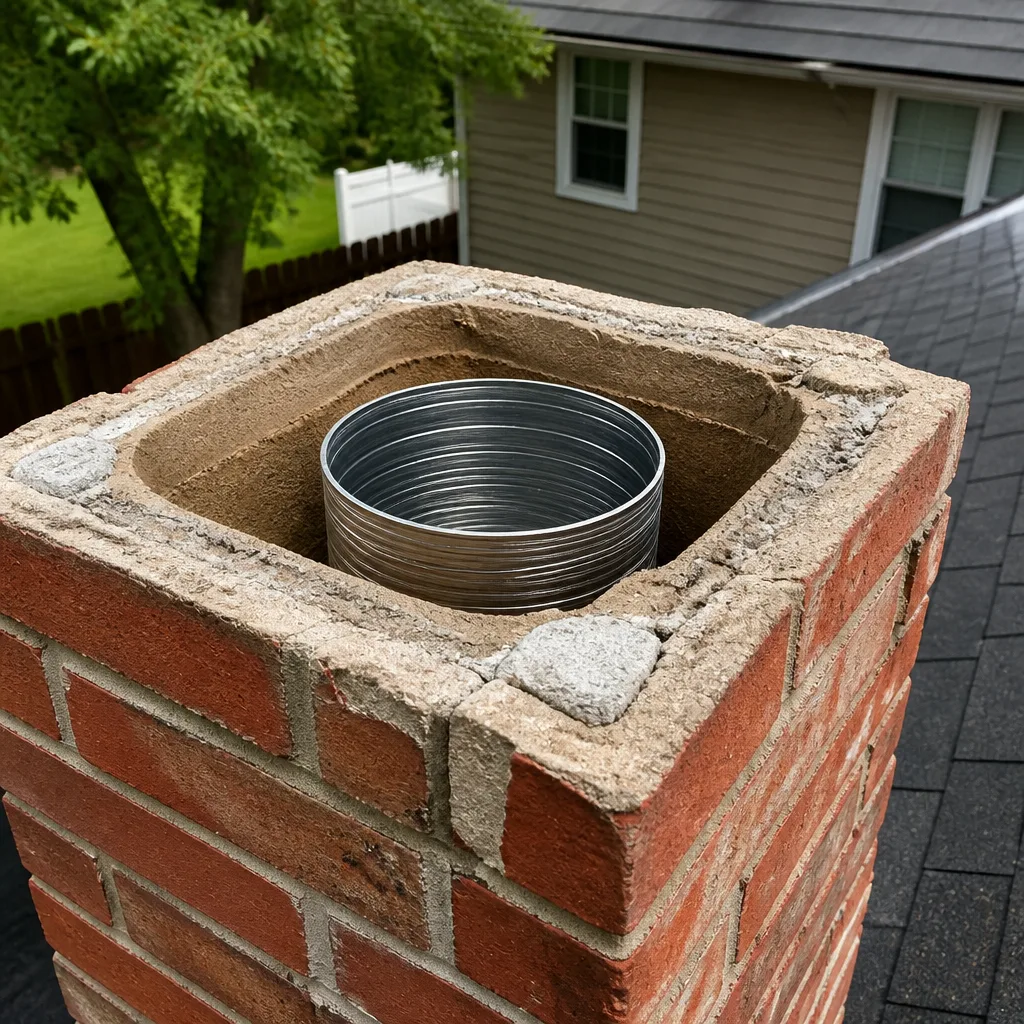 Flue relining
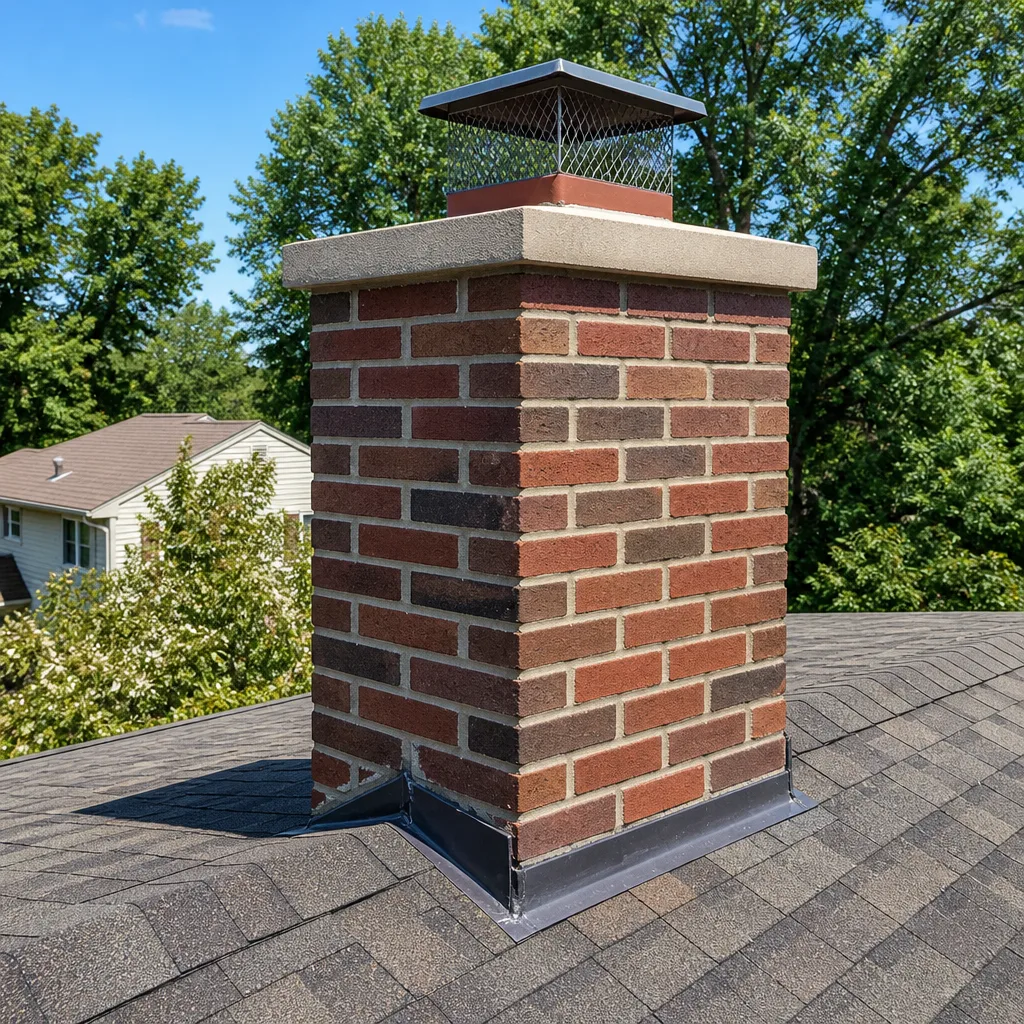 Masonry repair
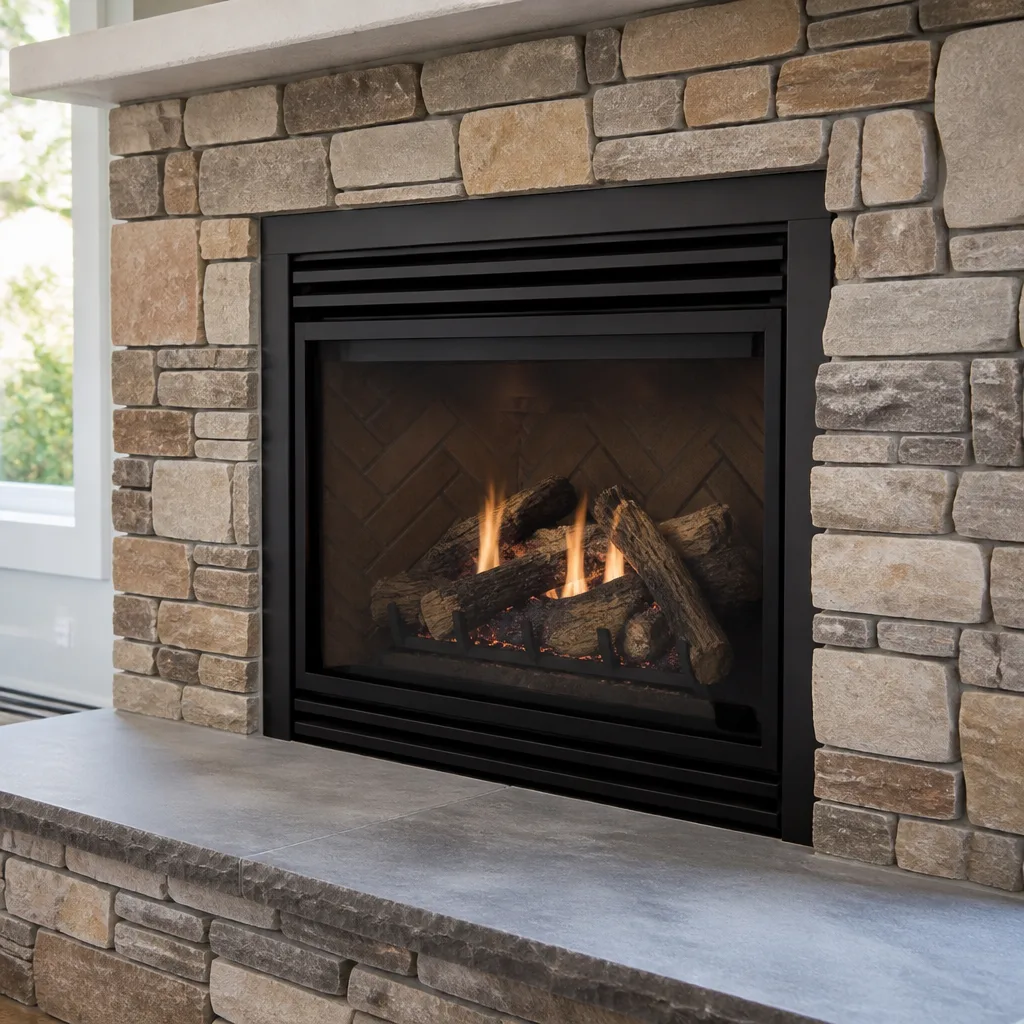 Gas fireplace service
Level 1 sweep and inspection to the NFPA 211 annual standard - flue, crown, cap, and flashing checked and photographed
Chimney sweep logs do not sweep chimneys. They loosen some creosote - which then falls where a brush and vacuum still have to collect it.
Chimney Sweep Troubleshooting in Laguna Niguel: Common Problems and How to Fix Them
If your fireplace smokes into the room only on warm Santa Ana wind days, the problem isn’t your chimney. It’s atmospheric pressure from canyon airflow reversing your draft. Most troubleshooting guides never mention this, because most guides aren’t written by people who actually work in Southern California’s coastal canyon country. Laguna Niguel sits in a wind corridor where marine layer mornings and Santa Ana afternoons create pressure shifts that make a perfectly clean chimney behave badly. This guide walks you through the diagnostic logic we use on every call: understanding your fireplace, liner, and cap as a single airflow circuit, not three separate parts. You’ll learn how to tell a draft problem from a blockage problem from a combustion air problem before anyone picks up a phone.
Quick Answer
Most chimney problems in Laguna Niguel boil down to one of three issues: a draft reversal caused by canyon wind and negative indoor pressure, a partial blockage from creosote or debris, or a combustion air shortage in tightly sealed homes. You can identify which one you have with a simple smoke test and a window test before calling a technician. If smoke enters the room only on windy days, it’s pressure, not buildup, and the fix is usually a cap or damper adjustment rather than another sweep.
Styles & brands we work with
- Sweep & inspection
- Caps & crowns
- Flue relining
- Masonry repair
- Gas fireplace service
Table of Contents
- How to Tell If You Have a Draft Problem
- How to Tell If You Have a Blockage Problem
- How to Tell If You Have a Combustion Air Problem
- Why a Clean Chimney Still Smells in Summer
- Liner Gaps, Cracked Fireboxes, and Cap Mismatches
- What You Can Diagnose Yourself vs. What Needs a Camera
- Santa Ana Winds and Marine Layer: Laguna Niguel’s Unique Chimney Weather
- Common Mistakes to Avoid
- When to Call a Professional
- Frequently Asked Questions
How to Tell If You Have a Draft Problem
A draft problem is the most misunderstood chimney issue in Laguna Niguel. Homeowners assume smoke in the house means a dirty chimney. Often it means the chimney is clean but the air pressure outside and inside the home has flipped. Your chimney works because warm air rises and exits through the flue, pulling fresh air into the firebox. When something pushes back harder than that rising column of air can overcome, smoke reverses into the room.
The one-question test: Does the smoke problem happen only on certain days or in certain weather? If the fireplace draws perfectly on still mornings but smokes on breezy afternoons or during periods when the air conditioner is running, you have a draft problem, not a blockage. Blockages are consistent. They don’t care about the weather. Draft problems come and go with pressure changes.
Here’s the numbered diagnostic sequence we walk through with Laguna Niguel homeowners:
- Open the damper fully and check that it’s actually staying open. A damper that slips partially closed is the most common “draft problem” that isn’t a draft problem at all.
- Light a small piece of rolled newspaper and hold it inside the firebox near the damper opening. Watch the smoke. If it rises into the flue, your draft is functioning. If it curls back into the room, the flue is being pushed against.
- Open a window in the same room by about two inches. If the smoke suddenly starts rising correctly, your problem is negative indoor pressure, not the chimney.
- If the window test doesn’t change anything, check the cap and flue exit for visible obstructions or a cap that’s been knocked sideways.
Santa Ana winds complicate draft in a way most national guides never address. When dry desert air pushes through the canyons toward the coast, it creates sustained pressure against the lee side of homes. A chimney on the windward side can be forced backward. The fix isn’t more sweeping. It’s managing the pressure difference, often with a different cap design that resists wind-driven reversal.
How to Tell If You Have a Blockage Problem
Blockages are the straightforward diagnosis. Something is physically in the way of the flue gases, and it’s there every time you light a fire, regardless of weather. The question is what and where.
In Laguna Niguel, the most common blockage sources are:
- Creosote accumulation: Wood fires produce tar-like residue that condenses inside the flue. In a mild coastal climate, fires often burn cooler than they would in colder regions, which produces more creosote per burn, not less.
- Debris from trees: Eucalyptus and pepper trees common to south Orange County drop leaves and small branches that find their way into uncapped or damaged chimneys.
- Animal nesting: Birds and squirrels find chimney flues a convenient sheltered space. A nest can block a flue in a single season.
- Collapsed flue tile: Older masonry chimneys can develop cracked tiles that eventually break loose and wedge sideways in the flue.
- Failed damper plate: A cast-iron damper that has rusted or warped can partially block the flue even in the open position.
The telltale sign of a blockage: smoke backs up on every burn and the problem developed gradually or appeared suddenly after a storm or long period of disuse. A chimney sweep in Laguna Niguel can confirm a blockage with a visual inspection and remove most debris the same visit. But collapsed flue tile or a failed damper is a repair issue, not just a cleaning issue.
How to Tell If You Have a Combustion Air Problem
Combustion air is the air your fire needs to burn, and it’s the most overlooked variable in modern Laguna Niguel homes. Houses built or remodeled in the last two decades are sealed tighter than older construction. Good for air conditioning bills. Bad for fireplaces.
Your fireplace pulls several hundred cubic feet of air per minute through the firebox while burning. That air has to come from somewhere. In an older, draftier house, air seeps in through windows, door frames, and vents. In a tightly sealed home, the fire competes with the furnace, the water heater, the kitchen exhaust fan, and the clothes dryer for the same limited indoor air. The fireplace often loses.
The one-question test for combustion air: Does opening a window fix the problem? If the smoke reverses with windows closed and draws correctly with one open, the chimney is fine. The house is starving the fire for air.
The fix is adding a dedicated combustion air source, typically a vented intake that feeds outdoor air directly to the firebox or to the mechanical room. This is not a DIY job for most homeowners in Laguna Niguel. It involves cutting into the building envelope and sizing the intake to the fireplace and competing appliances. A technician who understands whole-system venting, not just chimney cleaning, can evaluate whether combustion air is your missing piece.
Why a Clean Chimney Still Smells in Summer
Here’s a scenario we hear every summer in Laguna Niguel: a homeowner had the chimney swept in spring, hasn’t used the fireplace since, and now the living room smells like a campfire when the marine layer rolls in. They assume the sweep missed something. They assume wrong.
The odor is creosote that has absorbed into the porous masonry of the chimney and is now off-gassing. Even a thorough chimney sweep removes surface deposits, but creosote that has penetrated flue tile and mortar joints over years of use remains embedded in the material itself. On dry Santa Ana days, the smell stays locked in. When summer humidity arrives and the marine layer settles over the hills, the moisture draws those volatile compounds out of the masonry and into your home.
The actual fix for persistent creosote odor isn’t more cleaning. It’s addressing the source of the absorption. Options include resurfacing the flue with HeatShield, a code-compliant resurfacing product that seals the porous surface and locks residual odor inside, or installing a DuraFlex liner system that creates a new, non-porous flue path. Both are professional repairs, not cleaning tasks. A dryer vent cleaning won’t address chimney odor, but if your laundry room is contributing its own musty smell, addressing both vents gives you a cleaner start.
Liner Gaps, Cracked Fireboxes, and Cap Mismatches
Repeated smoke issues that don’t respond to sweeping, draft fixes, or combustion air usually point to a structural problem inside the chimney. Three culprits account for most of what we find in Laguna Niguel homes:
Liner Gaps
A chimney liner is the continuous channel that carries smoke and flue gases from the firebox to the cap. Tile liners are built in sections. When the mortar joints between sections degrade, gaps open up. Smoke, heat, and carbon monoxide can escape through those gaps into the chimney cavity and, from there, into wall spaces or adjacent rooms. A liner gap also disrupts the smooth flow of exhaust, which can mimic a draft problem. The fix is a professional repair. DuraFlex flexible liner systems are one option we specify because they create a continuous, properly sized flue path without relying on aging mortar joints.
Cracked Fireboxes
The firebox is the masonry box where the fire actually burns. Cracks here don’t usually cause smoke backdraft directly. What they do is allow heat and combustion byproducts to reach combustible framing behind the masonry. That’s a safety issue more than a performance issue. If you see cracks wider than a credit card edge in your firebox, or if mortar is crumbling between firebricks, it’s time for an evaluation. HeatShield resurfacing is one option for restoring damaged firebox masonry and flue tile without tearing out the entire chimney.
Cap and Damper Mismatches
Your chimney cap sits on top of the flue and does three jobs: keeps rain and debris out, keeps sparks from escaping, and manages wind pressure. A cap that’s the wrong size, the wrong style, or installed incorrectly can create turbulence that pushes smoke backward. The same goes for the damper. A top-sealing damper combined with a standard throat damper can actually restrict flow instead of improving it. Diagnosing a cap or damper mismatch requires evaluating the entire airflow path, not just swapping parts.
What You Can Diagnose Yourself vs. What Needs a Camera
We’ll tell you plainly where the line is. Some things you can check safely. Some things you shouldn’t attempt.
Safe to check yourself:
- Damper function: open and close it, look for obvious warping or rust.
- Visible firebox condition: shine a flashlight and look for obvious cracks or missing mortar.
- Cap visibility from the ground: if you can see from your yard that the cap is missing, bent, or blocked by a nest, you’ve found a problem.
- Chimney exterior: obvious brick spalling, leaning, or staining visible from outside.
- Household airflow: the window test described above tells you whether combustion air is involved.
Requires a professional camera inspection:
- Anything inside the flue you can’t see from either end. Flue tile cracks, hidden liner gaps, and partial blockages below the cap are invisible without a camera.
- Creosote thickness in the upper third of the flue. This is where the coolest flue gases create the heaviest deposits, and you can’t assess it from the firebox.
- Flue sizing and offset. If your chimney has bends or was built with the wrong diameter for your fireplace, only a camera inspection reveals the internal geometry.
- The condition of mortar joints between flue tiles. This is where gaps start, and they are impossible to see without a close-up view.
We’d rather tell you a chimney doesn’t need work than sell you something it doesn’t need. Camera inspection makes that honest answer possible. You see the same footage we see.
Santa Ana Winds and Marine Layer: Laguna Niguel’s Unique Chimney Weather
Laguna Niguel sits in a weather pattern that most chimney literature never addresses. Coastal canyon geography creates two distinct pressure regimes that affect fireplace performance in ways a chimney in Ohio or Texas never experiences.
The marine layer arrives most mornings from late spring through early fall. Cool, dense air settles over the coast and pushes inland through the canyons. This air is humid and heavy. It presses down on chimneys and can suppress draft, especially in homes on the east-facing slopes where the marine layer lingers longest. Fires built during a heavy marine layer morning often smolder and smoke because the dense outside air resists the chimney’s natural upward pull.
Then the Santa Ana winds arrive, usually in fall but possible any time from September through February. High pressure over the desert pushes dry air toward the coast at speeds that can exceed 40 miles per hour through canyon passes. That sustained wind doesn’t just rustle leaves. It creates measurable pressure differences on different sides of your home. A chimney on the windward side faces direct pressure pushing down the flue. A chimney on the lee side can experience a vacuum effect that sucks smoke out too aggressively, causing turbulence and incomplete combustion.
The practical takeaway for Laguna Niguel homeowners: if your fireplace misbehaves only in specific weather, document the weather. Wind direction, time of day, whether the marine layer was present, whether the air conditioning or heater was running. That information shortens any professional diagnostic visit from hours to minutes.
Common Mistakes to Avoid
- Sweeping as the default fix for every problem. If you’ve had the chimney swept twice and the smoke issue persists, more cleaning isn’t the answer. Sweeping removes creosote and debris. It doesn’t fix draft reversal, combustion air shortages, or structural defects. Continuing to sweep without diagnosing the real issue wastes money.
- Ignoring the weather pattern. A fireplace that only smokes on Santa Ana days or during heavy marine layer mornings is telling you something specific. Writing it off as “the chimney being finicky” delays the actual fix.
- Burning unseasoned wood and blaming the chimney. Wet or green wood produces heavy smoke and excessive creosote. In Laguna Niguel, firewood sold at roadside stands is often not properly seasoned. If your wood hisses or doesn’t catch quickly, it’s not dry enough, and no chimney repair will fix that.
- Closing the damper too soon after a fire. The damper should stay open until the fire is completely out and only fine ash remains. Closing it early traps carbon monoxide and creosote odor inside the flue.
- Running the kitchen exhaust fan while the fireplace is burning. A powerful range hood can pull 400 cubic feet per minute or more out of the house. That’s a recipe for instant smoke reversal, especially in a sealed home. One appliance at a time.
- Installing a generic chimney cap without considering wind. Not all caps handle canyon wind equally. A cap chosen for looks or price can introduce turbulence that makes draft worse. Cap selection should account for the home’s exposure to Santa Ana winds.
- Deferring a firebox crack because “it still works.” A cracked firebox can allow heat to reach combustibles behind the masonry. The fireplace functioning doesn’t mean it’s safe. Heat transfer through a crack is invisible until it isn’t.
When to Call a Professional
Call a professional when smoke enters the room on every burn regardless of weather. Call when you see firebox cracks, crumbling mortar, or visible damage to the chimney exterior. Call when you smell smoke or creosote when the fireplace hasn’t been used in weeks. Call when you’ve tried the window test and opening a window doesn’t change the smoke behavior. Call if you’ve owned the home for more than a year and don’t know when the chimney was last inspected, or if you’ve never had a camera inspection done at all.
We believe in showing you what’s actually happening inside your chimney, not asking you to trust an unseen diagnosis. Our team uses camera inspection as a standard part of evaluating repeated smoke issues in Laguna Niguel. You see the footage, you understand the problem, and you decide with real information in front of you. We work with professional-grade materials including Famco venting components, Copperfield supply products, DuraFlex liners, and HeatShield resurfacing, because the repair should outlast the diagnosis. Chimney Sweep Laguna Niguel offers free estimates in Laguna Niguel. Call (866) 321-6650. We answer 24/7. Fast dispatch from 7am to 7pm, Sunday through Friday.
Frequently Asked Questions
A standard chimney sweep in Laguna Niguel typically runs between $180 and $350 depending on the chimney’s condition, height, and how long it’s been since the last cleaning. The written estimate is always free and sets the final price before any work begins. Call (866) 321-6650 for an exact quote.
Wind-driven smoke reversal means your chimney is fighting a pressure difference created by wind, not a blockage. Santa Ana winds press against one side of the house and create negative pressure on the other, which can overpower a marginal draft. The fix usually involves a wind-resistant cap or damper adjustment, not more sweeping.
If a camera inspection shows gaps between flue tiles or visible deterioration, sweeping alone doesn’t address the safety risk. Gaps allow heat and gases to escape the flue. A new liner or resurfacing with a product like HeatShield seals the path. If the tiles are intact and the problem is only creosote, sweeping is sufficient.
You should have the chimney swept after every cord of wood burned or at least once per year if you use the fireplace regularly. Homes that burn only occasionally can sometimes go two years, but regular inspection matters more than the cleaning itself. Creosote builds up even with light use in Southern California’s cool, humid morning air.
Creosote accumulates and becomes a fuel source. A chimney fire can reach temperatures that crack flue tiles and ignite nearby framing. Carbon monoxide can also back into the home through a blocked or damaged flue. In Laguna Niguel’s mild climate, many homeowners go years without thinking about the chimney. The problems don’t announce themselves until they do.
Yes. We handle dryer vent cleaning alongside chimney sweeping and repair, so you can address both of the most common home venting fire risks in a single appointment. The estimate covers everything before work starts, and you pay only the written amount agreed to in advance.
The Bottom Line
Chimney troubleshooting in Laguna Niguel comes down to understanding airflow, not just removing soot. The marine layer and Santa Ana winds create pressure conditions that generic guides ignore, and a clean chimney can absolutely smoke when those conditions shift. Before you call anyone, run the window test, note the weather, and check the damper. Those three observations will tell you more than most internet articles. And when the problem is structural or persists after a sweep, get a camera inspection so you can see the actual condition of your liner, firebox, and cap before deciding what work actually needs to happen. The right fix is the one that addresses the real cause, not the one that just cleans the symptom.
Written by the team at Chimney Sweep Laguna Niguel, serving Laguna Niguel since 2014.
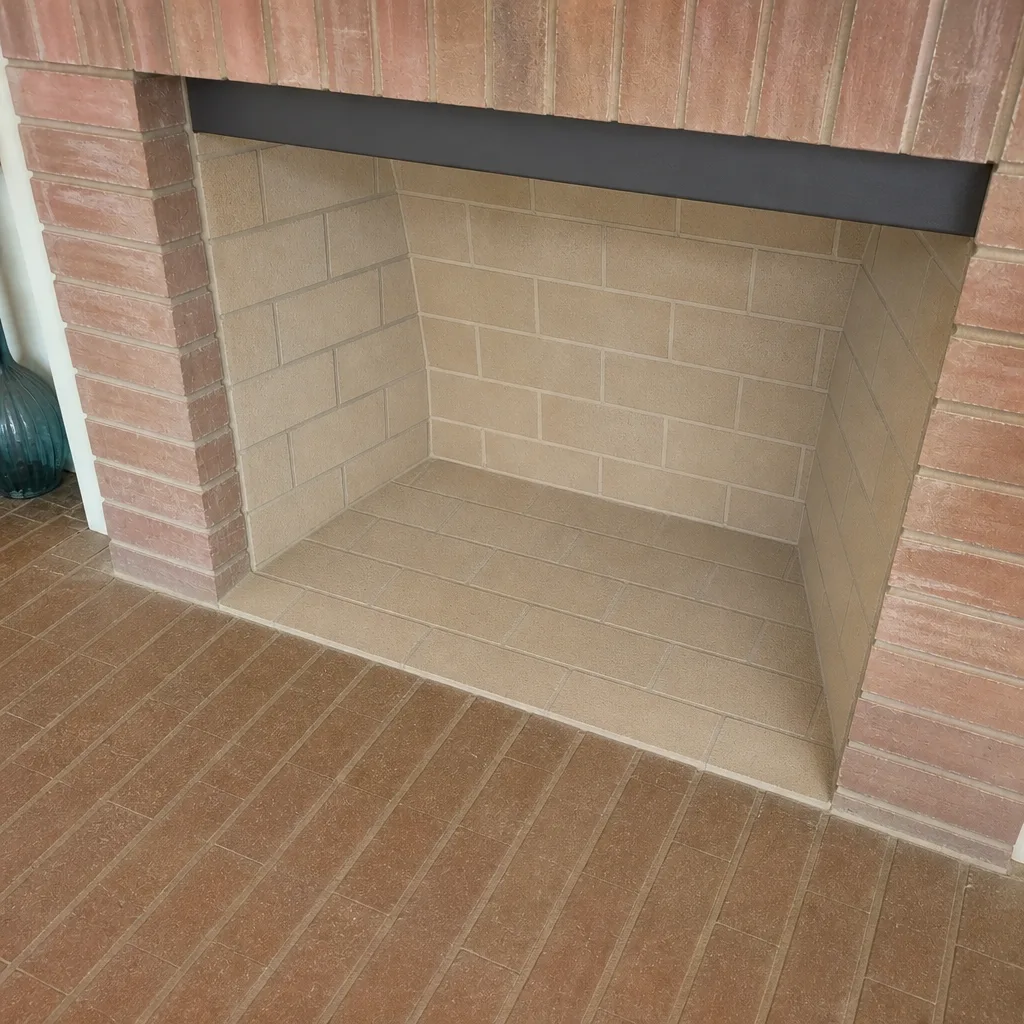
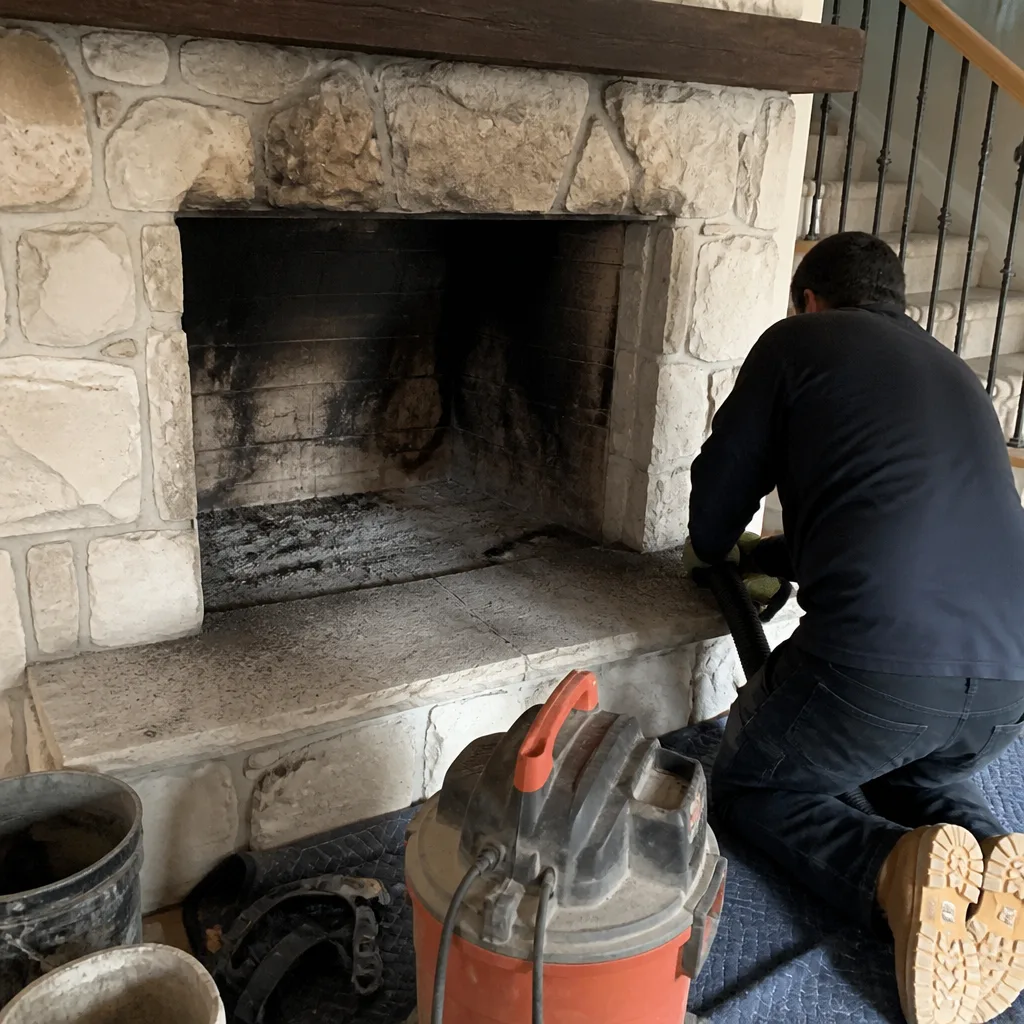
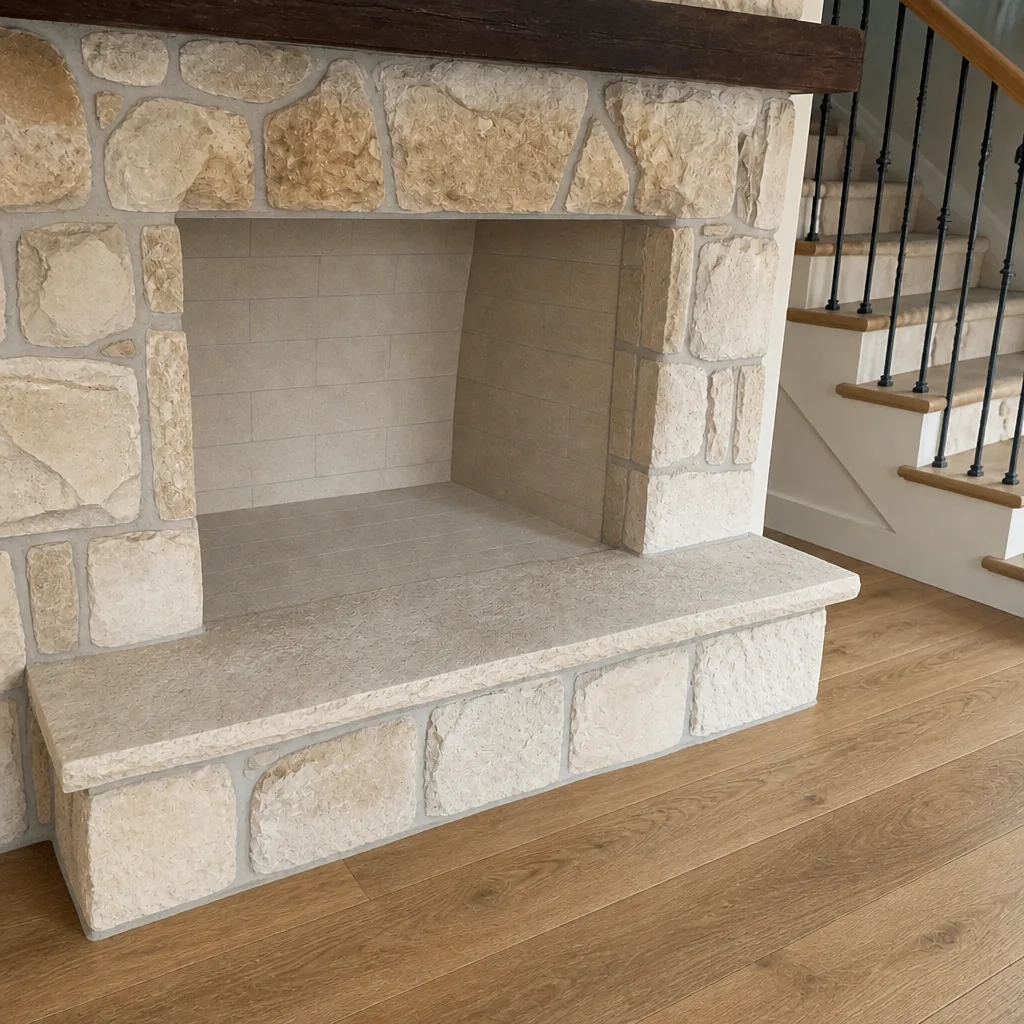
See the difference
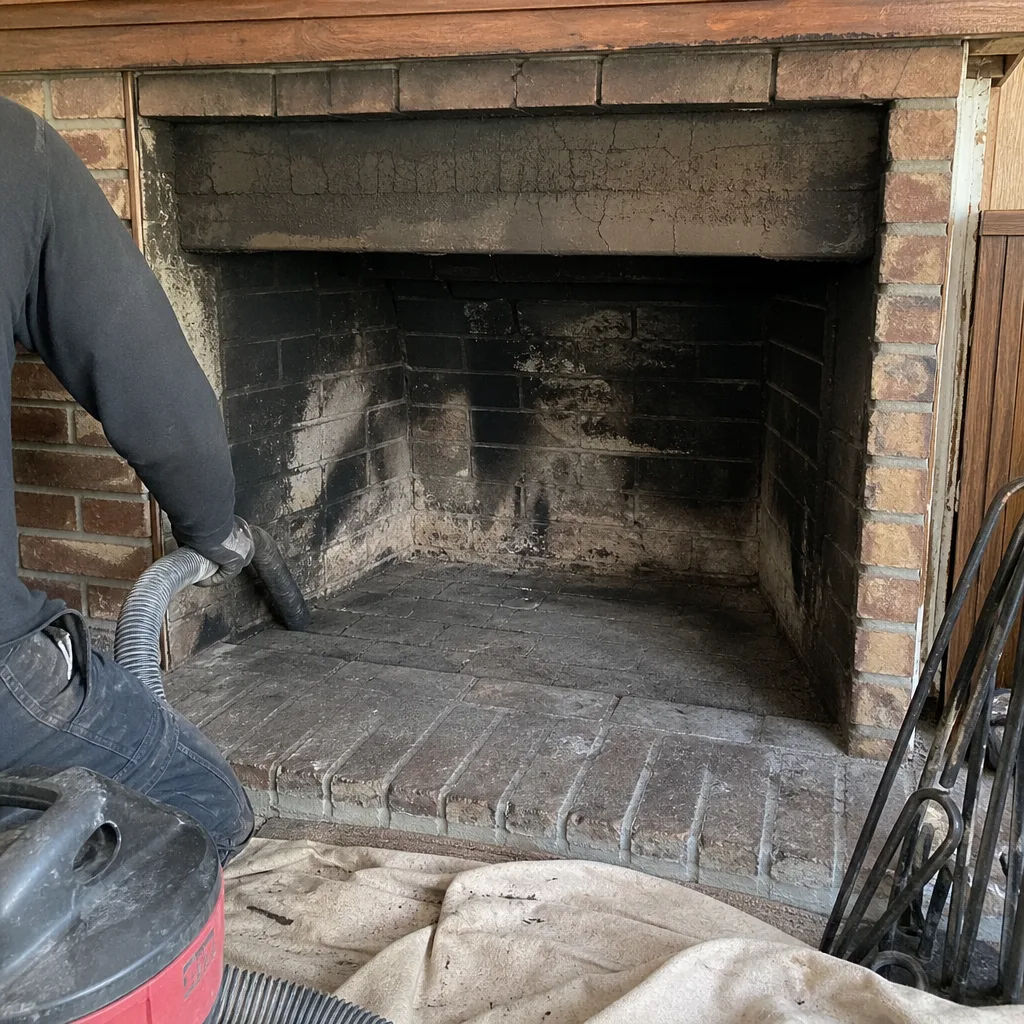 Before
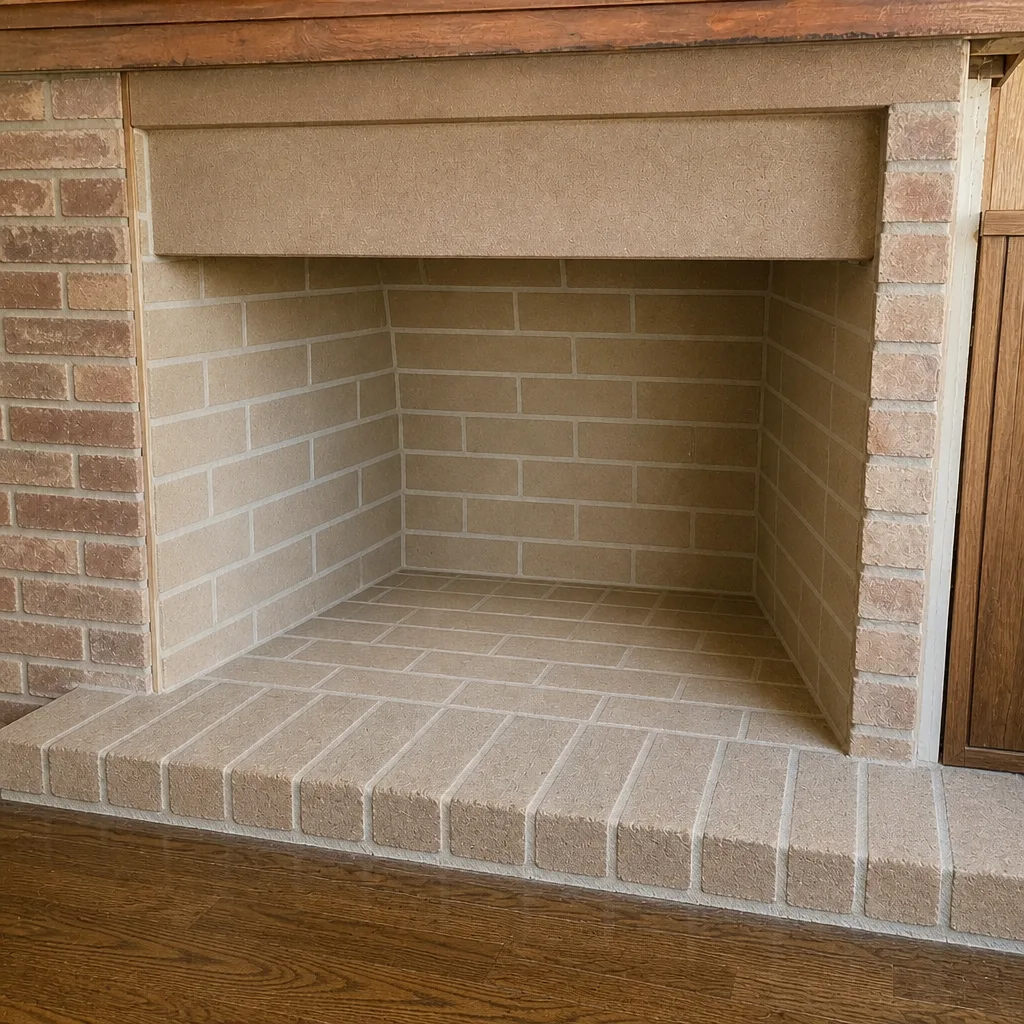 After
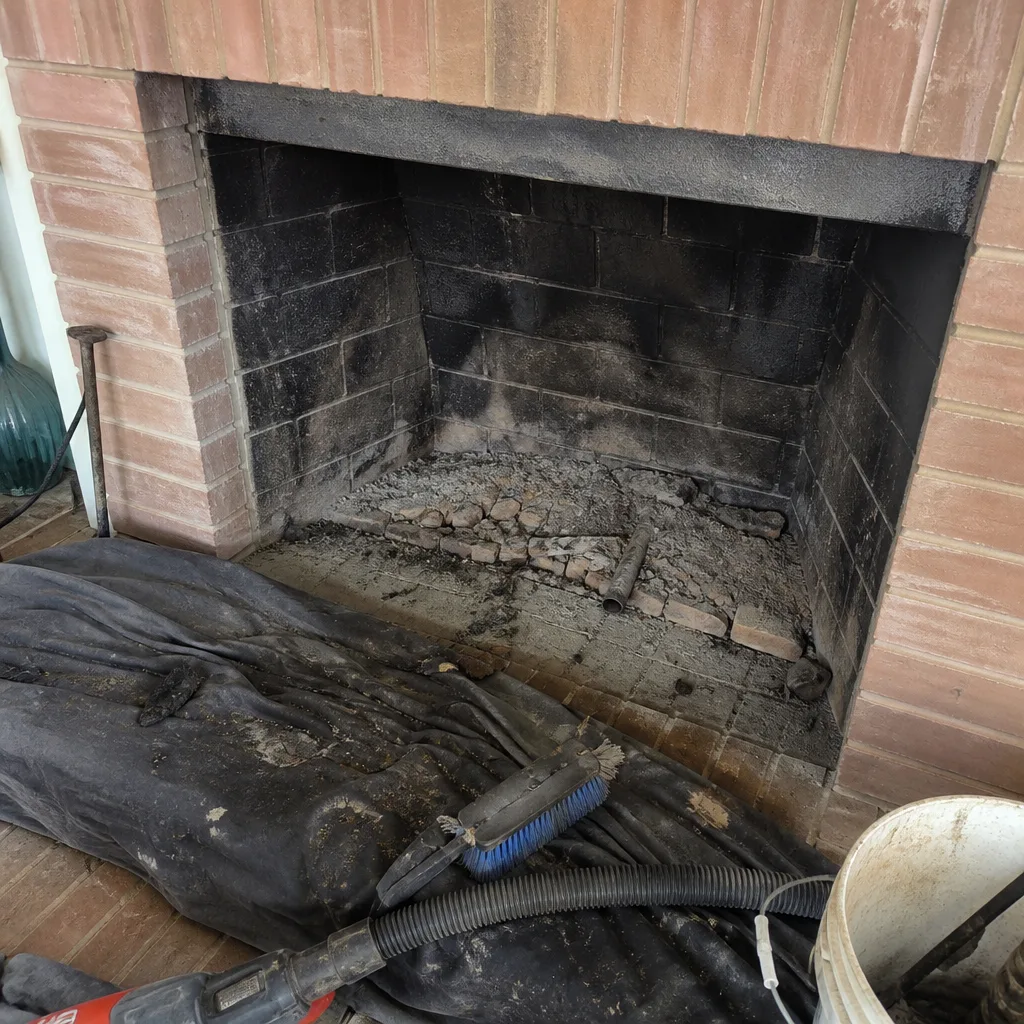 Before
 After
 Before
 After