
Last updated November 5, 2026
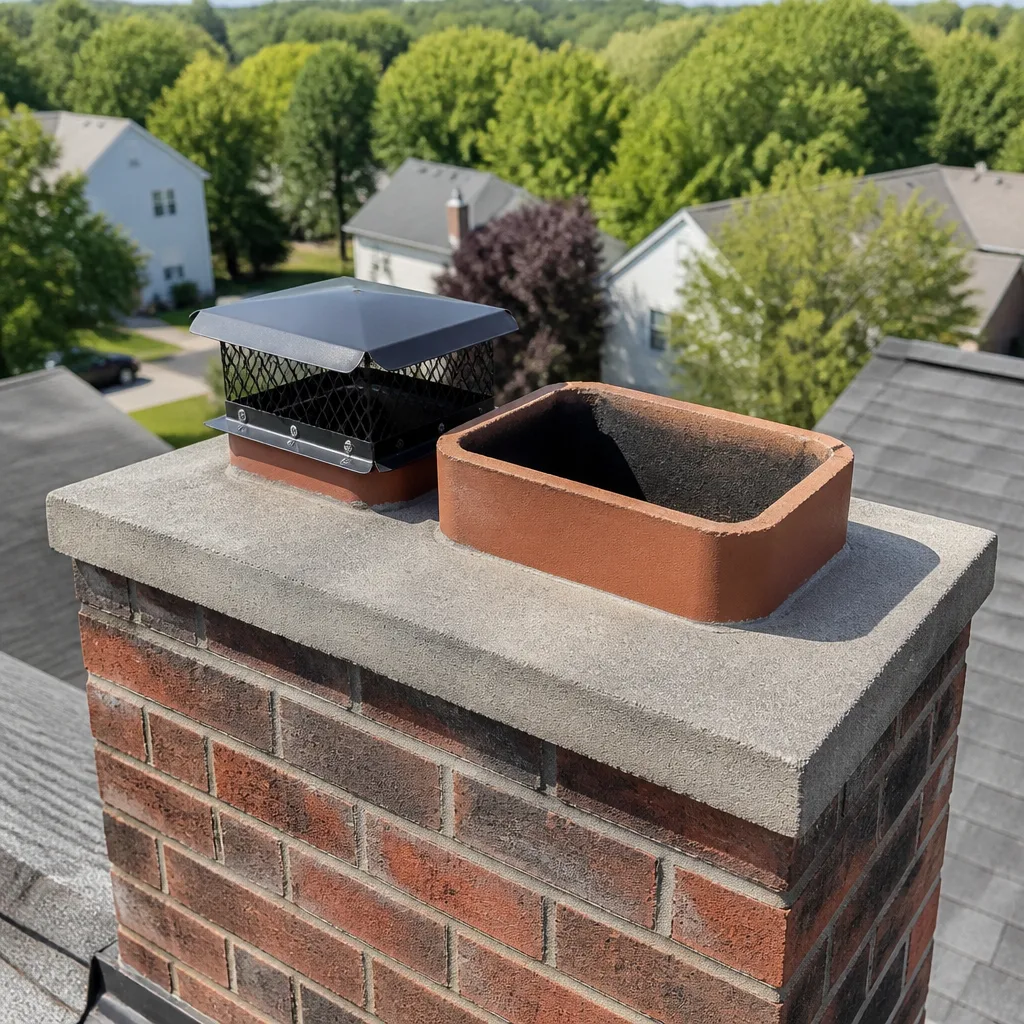 Sweep & inspection
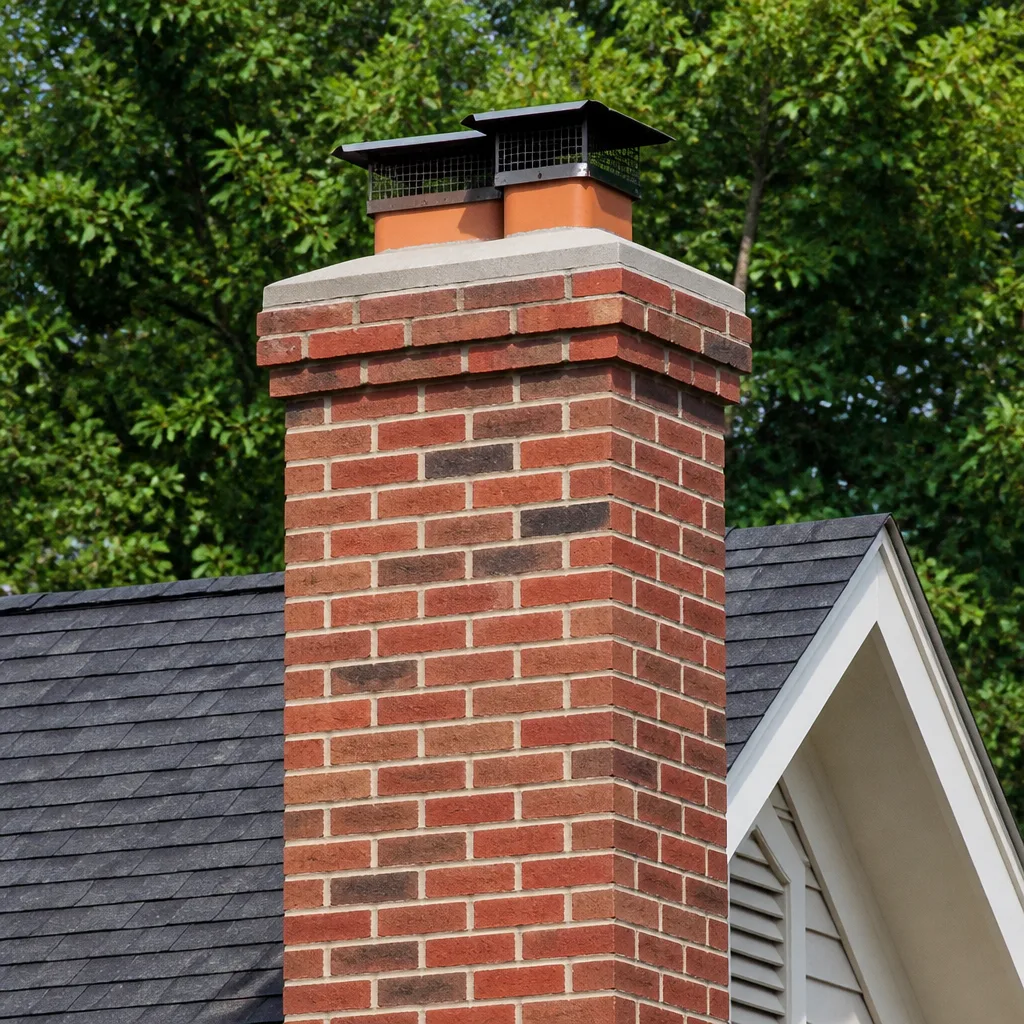 Caps & crowns
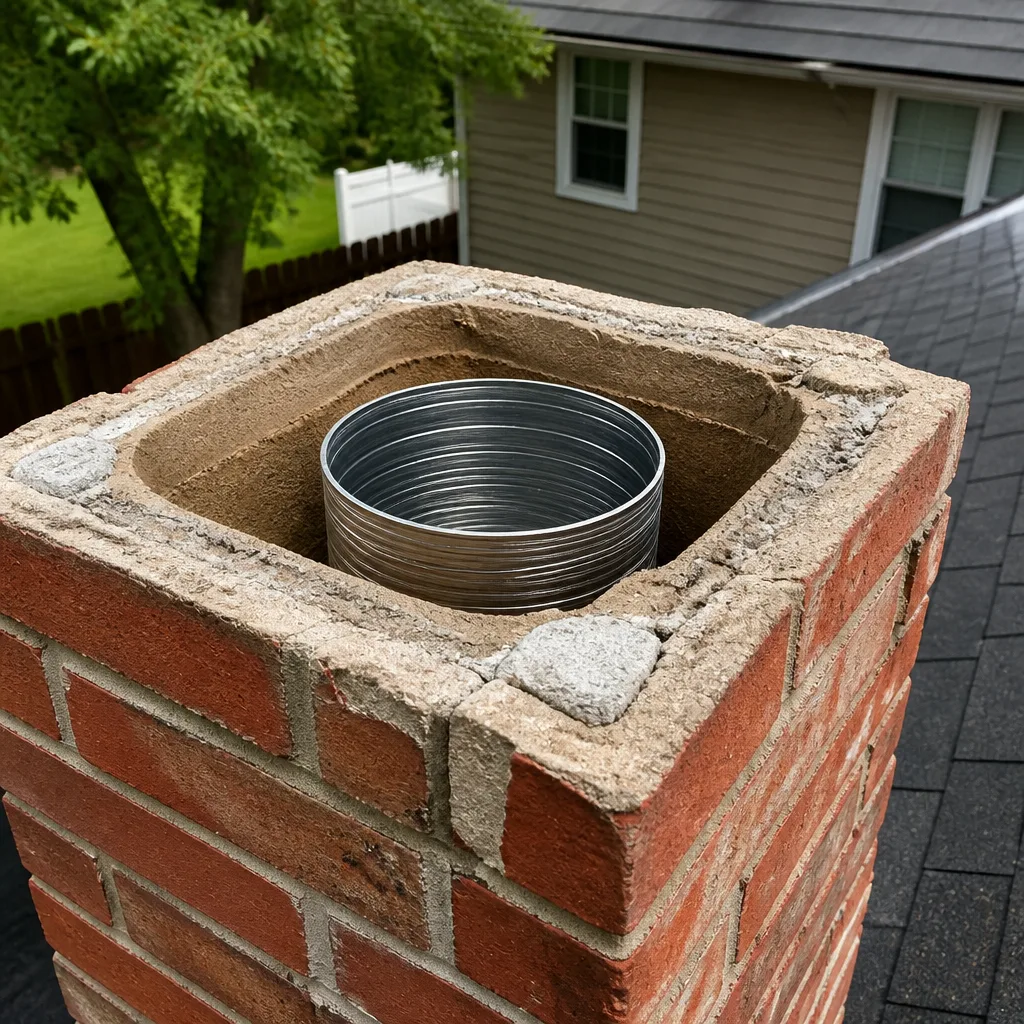 Flue relining
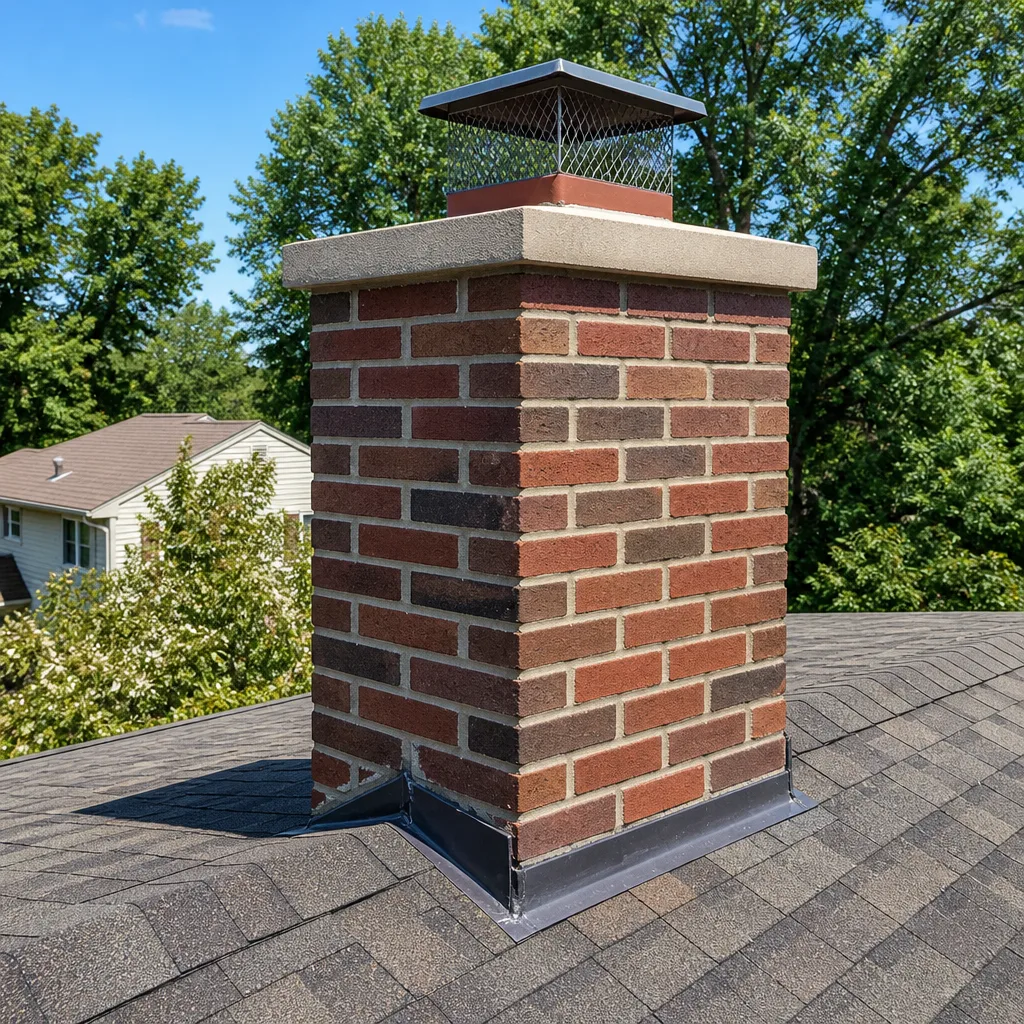 Masonry repair
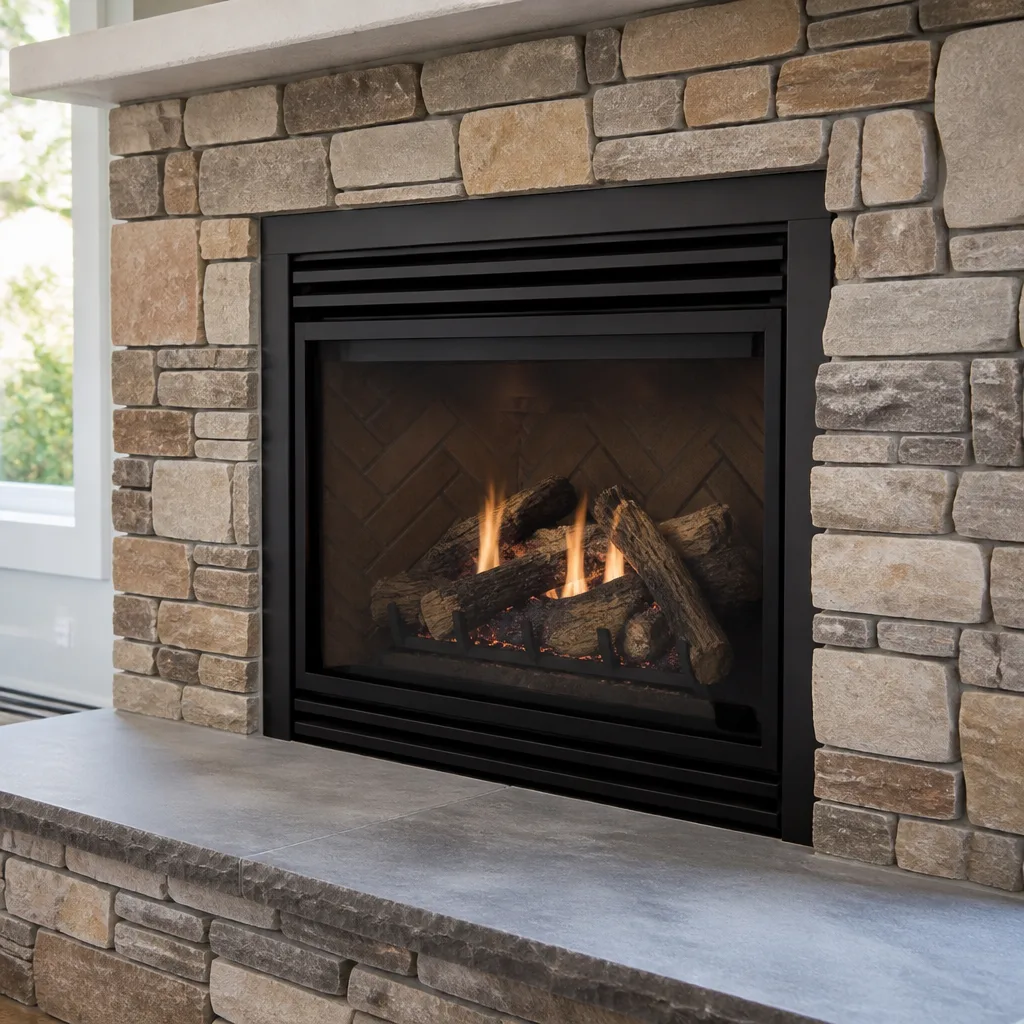 Gas fireplace service
Level 1 sweep and inspection to the NFPA 211 annual standard - flue, crown, cap, and flashing checked and photographed
Chimney sweep logs do not sweep chimneys. They loosen some creosote - which then falls where a brush and vacuum still have to collect it.
Choosing the Right Chimney Cleaning Brand: A Buyer’s Guide for Laguna Niguel
When a contractor quotes you a “stainless steel liner,” that phrase covers products ranging from 304-grade alloy rated for wood-burning to thin-wall 316 designed only for gas appliances, and the homeowner is almost never told which one they’re getting. The same goes for chimney caps, crown sealants, and resurfacing compounds. What sits inside your chimney matters just as much as the hands that install it. This guide walks Laguna Niguel homeowners through the product and brand questions that most companies hope you won’t ask. By the end, you’ll know what to look for in a quote, what documentation to request, and how to tell a professional-grade chimney system from a bargain-bin assembly.
Styles & brands we work with
- Sweep & inspection
- Caps & crowns
- Flue relining
- Masonry repair
- Gas fireplace service
Quick Answer
The right chimney cleaning product choice comes down to three things: the liner alloy grade and wall thickness, whether the resurfacing material carries a UL listing, and whether the contractor can name the manufacturer of every component going into your chimney. A reputable Chimney Sweep Laguna Niguel technician should be able to show you documentation for products from established brands like DuraFlex, HeatShield, and Olympia Chimney without hesitation. If they can’t tell you what grade of stainless steel they’re quoting, that’s your signal to move on.
Table of Contents
- Why Liner Material Specifications Decide the Lifespan of Your Chimney
- How Brand Sourcing Affects Warranty Enforcement and Performance
- How to Verify the Materials in Your Quote Are the Materials Installed
- Chase Covers, Caps, and Crowns: Where Cheap Metal Gets Exposed
- Why Whole-System Sourcing Produces More Consistent Results
- What to Ask Before You Book a Chimney Cleaning or Repair
- Common Mistakes to Avoid
- When to Call a Professional
- Frequently Asked Questions
- The Bottom Line
Why Liner Material Specifications Decide the Lifespan of Your Chimney
The flue liner is the single most important component in your chimney system. It contains the heat, directs exhaust upward, and protects the masonry around it. When we talk about “brand,” we’re really talking about the material specifications that a manufacturer commits to. And those specifications vary widely.
Stainless steel chimney liners come in two primary alloy grades. 304-grade stainless is the workhorse for wood-burning fireplaces. It withstands sustained high heat and resists the corrosive byproducts of wood combustion. 316L alloy contains molybdenum, which gives it better resistance to acidic condensate, making it the standard choice for gas appliances and oil-fired systems. A contractor who installs a 316L liner on a wood-burning fireplace isn’t necessarily doing anything wrong, but they owe you an explanation of that choice.
Wall thickness is the second variable. Single-wall liners are common for straightforward relines. Double-wall and insulated liners add thermal protection and are often required by local building codes when the chimney passes near combustible materials. In Laguna Niguel, where many homes were built during the 1970s through 1990s construction boom, original clay tile liners are reaching the end of their service life. If yours has cracked or spalled, you’ll likely need a new liner system, and the type you choose should match your appliance and local code requirements.
UL 1777 Listing: The Non-Negotiable Standard
Any flexible stainless steel liner installed in a masonry chimney should carry a UL 1777 listing. This is a safety certification that tests the liner’s ability to contain a chimney fire at specific temperatures. It is not a marketing designation. It is the difference between a liner that has been independently tested and one that has not. When reviewing a quote, look for the phrase “UL 1777 listed liner system” and ask which manufacturer produced it.
DuraFlex is one example of a liner brand that professional chimney sweep contractors specify for relining jobs. It comes in multiple alloys and wall configurations, so the right product depends on the appliance and chimney geometry. The point is not that one brand solves every situation. The point is that the brand should be nameable, traceable, and backed by published specifications.
How Brand Sourcing Affects Warranty Enforcement and Performance
Here is a truth that rarely makes it into the sales conversation: a product warranty is only as good as the distribution chain behind it. If a contractor buys a liner from a liquidation warehouse or an online marketplace of questionable origin, the manufacturer may not honor the warranty at all. Many stainless steel liner warranties require proof that the product was purchased through an authorized distributor.
This is why the brands a company sources from matter. Olympia Chimney and Copperfield are two of the chimney industry’s most established professional supply networks. Contractors who buy through these channels can trace every component back to the manufacturer. That traceability is what protects you if a product defect appears three years after installation.
The same principle applies to resurfacing products. HeatShield is a code-compliant, UL-listed material for restoring deteriorated flue tile without a full liner replacement. It is not a patch. It is a ceramic-based resurfacing system that bonds to the existing flue and restores a smooth, insulated surface. But the warranty on HeatShield work depends on the installer following the manufacturer’s application protocol exactly. A contractor who buys through legitimate channels and follows the spec is one who can stand behind the work.
When a company works exclusively with professional trade brands rather than whatever is cheapest at the supply house that week, it tells you something about their priorities. They are building chimneys to last, not patching them to pass an inspection.
How to Verify the Materials in Your Quote Are the Materials Installed
It is one thing to see “DuraFlex stainless liner” written on an estimate. It is another to know that a DuraFlex liner is what actually goes into your chimney. The gap between those two things is where dishonest contractors operate. Closing that gap requires a little paperwork and a little backbone.
Here is the step-by-step process we recommend to every Laguna Niguel homeowner:
- Ask for the manufacturer name and product line in writing. “Stainless steel liner” is not a specification. “DuraFlex 304 single-wall liner, UL 1777 listed” is. If the contractor hesitates to name the manufacturer, ask why.
- Request the product data sheet before work begins. Every legitimate manufacturer publishes technical documentation. This sheet will list alloy grade, wall thickness, diameter, and listing certifications.
- Verify that the contractor sources from an authorized distributor. For products like those distributed through Olympia Chimney or Copperfield, you can ask the contractor which supply house they use. A direct answer is a good sign.
- Ask to see the materials on-site before installation. The boxes or spools should carry the manufacturer’s name and product labeling. If the contractor shows up with unmarked material, stop the job and ask questions.
- Request documentation after the job is complete. The contractor should provide a record of what was installed, including product names, sizing, and the date of installation. This becomes your warranty paper trail.
None of this is unreasonable. A contractor who treats these questions as an inconvenience is not one you want working inside your chimney.
Chase Covers, Caps, and Crowns: Where Cheap Metal Gets Exposed
The most visible parts of your chimney are also the most exposed. A chase cover or chimney cap sits at the very top of the system, taking direct sun, rain, and wind. It is the first line of defense against water intrusion, and it is also the component most likely to be quietly downgraded to save money.
Chase covers are commonly fabricated from 24-gauge galvanized steel. That product works, for a while. But galvanized steel chase covers typically begin showing rust within three to five years, and a rusted chase cover leaks. Once water gets inside the chase, it damages the liner insulation, corrodes the flue, and leads to expensive repairs that could have been avoided for the cost difference between galvanized and stainless.
The better option is a chase cover fabricated from 304-grade stainless steel or, for homes where appearance matters, copper. Both materials resist corrosion for decades. Both cost more up front. Both save money over the life of the chimney.
Chimney caps are a similar story. A properly sized cap prevents rain entry, blocks sparks from leaving the flue, and keeps birds and rodents out. The cap’s mesh gauge, material, and fit all influence how well it performs over time. Famco is one manufacturer of venting components and caps that professional contractors use when they want a precise fit and durable construction. Again, the point is not the brand name itself. The point is that the contractor can tell you who made the cap, what material it is, and why it is sized correctly for your flue.
Why Whole-System Sourcing Produces More Consistent Results
A chimney is not a collection of unrelated parts. The liner, the cap, the crown sealant, the flashing, and the waterproofing all interact. When one component fails, it stresses the others. When one component is replaced with a mismatched product, the whole system underperforms.
This is where whole-system sourcing matters. A contractor who buys liner from one manufacturer, caps from another, and sealant from whatever is on the shelf at the home center is assembling a system from mismatched parts. A contractor who sources through professional supply networks like Olympia Chimney and Copperfield is working from a catalog of products designed to work together.
There is a consistency advantage here that is easy to overlook. Professional chimney supply houses stock components that meet industry standards. The mesh on the cap is the right gauge. The crown sealant is formulated for masonry expansion and contraction. The liner components are compatible with the insulation wrap. None of these things require the contractor to have deep engineering knowledge. They require the contractor to buy from a reputable source, which is a business decision, not an expertise decision.
When you hire a company that does full-system venting work, including dryer vent cleaning alongside chimney repair, you are also hiring a contractor who sees how these systems connect in practice. The dryer vent and the chimney are different systems, but they share a common vulnerability: lint and creosote are the two leading causes of home heating fires. A company that handles both is thinking about your home’s total venting infrastructure, not just the fireplace.
What to Ask Before You Book a Chimney Cleaning or Repair
The best defense against bad product selection is a short list of pointed questions. Here are the ones we recommend every homeowner ask before signing a contract:
- “What specific product are you installing, and who manufactures it?” If the answer is “a stainless steel liner” without a brand name, ask for clarification. A professional should name the product without prompting.
- “What alloy grade and wall thickness is the liner?” For wood-burning fireplaces, you want 304-grade stainless. For gas, 316L is common. Thickness should be specified for your appliance type.
- “Is the liner UL 1777 listed?” This should be an immediate yes. Any hesitation is a red flag.
- “Where do you source your materials?” Look for distributors like Olympia Chimney or Copperfield. Big-box stores are not professional chimney supply houses.
- “Can I see the product documentation before and after the job?” The answer should be yes on both counts.
- “Do you do full-system repairs or just cleanings?” A company that only cleans has an incentive to miss repair issues. A company that also repairs has the tools and expertise to do something about problems when they find them.
Common Mistakes to Avoid
- Choosing a contractor based on the lowest quote without asking about materials. A cheap liner install often means a thin-wall liner, unknown alloy, or no UL listing. The savings evaporate when the product fails early.
- Assuming all stainless steel is the same. 304 and 316L are different alloys for different applications. Gas appliances produce acidic condensate that corrodes some grades faster than others.
- Skipping the documentation request. If you don’t have a record of what was installed, you can’t enforce a warranty later. Ask for the product data sheet before work begins.
- Accepting a galvanized chase cover on a new installation. Galvanized steel rusts in Laguna Niguel’s sun and occasional rain within a few years. Specify 304 stainless or copper from the start.
- Not asking whether the resurfacing product is UL-listed. HeatShield is code-compliant and UL-listed. Generic refractory mortar smeared on flue tiles is not the same thing.
- Treating the chimney and dryer vent as unrelated systems. Lint and creosote are the two biggest household fire risks tied to venting. A contractor who addresses both saves you a second service call.
- Hiring a cleaner who can’t do repairs. If the sweep finds a cracked tile or damaged cap, you want the same crew to fix it. Otherwise, you’re coordinating two contractors and paying for two site visits.
When to Call a Professional
Some maintenance tasks are straightforward for a homeowner. Chimney work is not one of them. If you hear a rumbling sound from the flue during a fire, see smoke backing into the room, notice a strong creosote odor in summer, or find water stains on the ceiling near the chimney, those are signs of a system problem that needs professional diagnosis. The same goes for a Laguna Niguel chimney that has not been inspected in more than a year. Chimney Sweep Laguna Niguel offers free estimates in Laguna Niguel. Call (866) 321-6650 to schedule one. We answer 24/7. Fast dispatch from 7am to 7pm, Sunday through Friday.
Frequently Asked Questions
Look for professional trade brands like DuraFlex for liner systems, HeatShield for flue resurfacing, and components sourced through Olympia Chimney or Copperfield. The key is not the brand name itself but what it represents: traceable manufacturing, published specifications, and warranty enforcement. Call (866) 321-6650 if you want a quote that names the actual products being installed.
Ask the contractor to name the manufacturer of every component in the quote. A professional who uses products from established supply chains like Olympia Chimney or Copperfield can tell you the brand, alloy grade, and listing status without hesitation. If they can’t, that’s your answer. We are happy to walk you through the products we use before any work begins.
304-grade stainless is the standard for wood-burning fireplaces because it handles high heat well. 316L contains molybdenum for better corrosion resistance, making it the preferred choice for gas appliances where acidic condensate forms. The right choice depends on your fuel type and appliance. A professional chimney contractor can specify the correct alloy for your setup.
The National Fire Protection Association recommends an annual inspection for all chimneys, regardless of fuel type. Homes that burn wood frequently may need sweeping more often. In Laguna Niguel, the mild climate means many homeowners use their fireplaces seasonally, but creosote still accumulates and should be removed before it reaches a dangerous thickness.
You can, but galvanized steel chase covers typically rust within three to five years in Laguna Niguel’s sun and occasional heavy rain. Once a chase cover corrodes, water gets inside and damages the liner and insulation. A 304 stainless or copper cover costs more initially and lasts decades. The math favors the better material.
You should receive a record of what was installed, including product names, alloy grades, sizing, and the installation date. This becomes your warranty paper trail. We provide this documentation as standard practice on every repair job. Call (866) 321-6650 for a free estimate and a written breakdown of the materials proposed for your chimney.
The Bottom Line
The products inside your chimney determine how long it lasts, how safely it performs, and whether your warranty means anything. A stainless steel liner without a UL 1777 listing is a roll of the dice. A chase cover made from galvanized steel is a rust problem waiting to happen. A contractor who can’t name the manufacturer of the liner they’re quoting is a contractor who doesn’t want you checking the work. The good news for Laguna Niguel homeowners is that professional-grade materials are not hard to find. You just have to ask for them by name. When you do, the right contractor will have answers.
Written by the team at Chimney Sweep Laguna Niguel, serving Laguna Niguel since 2014.
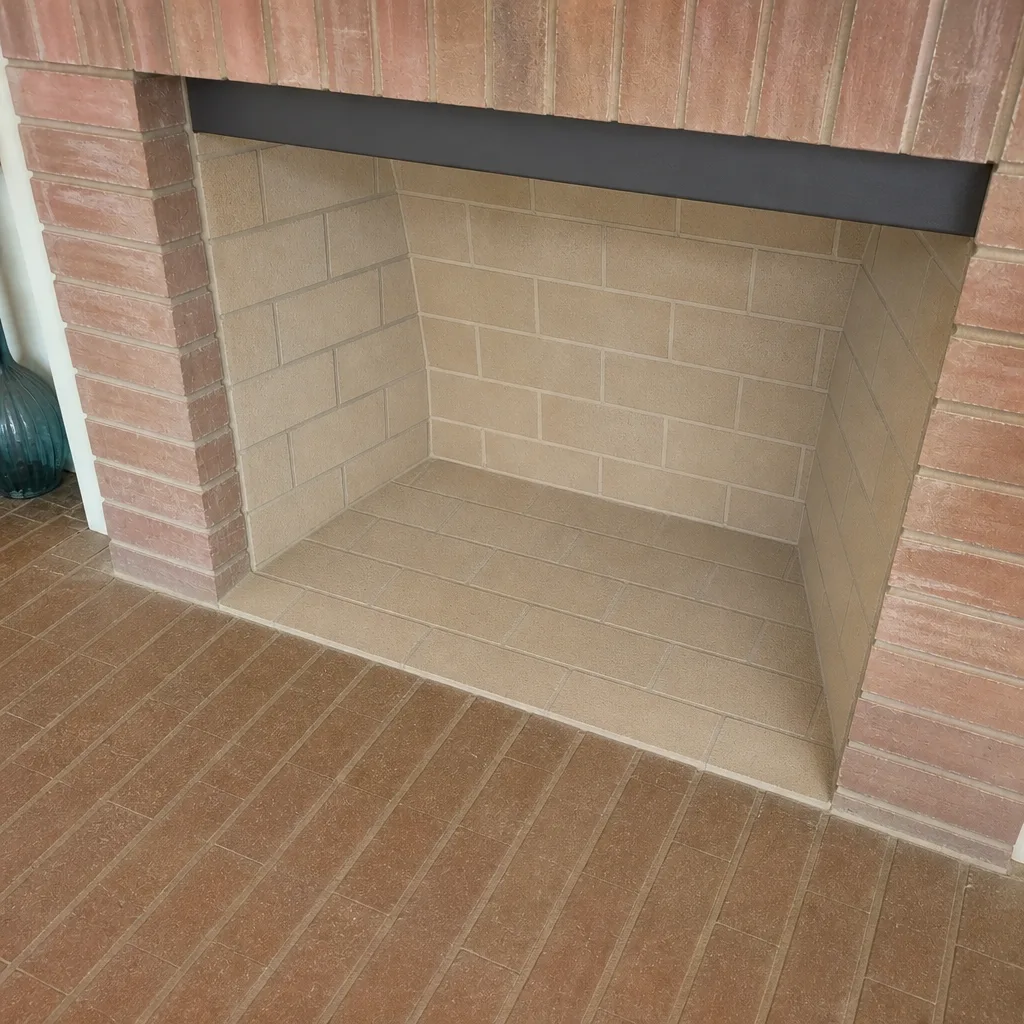
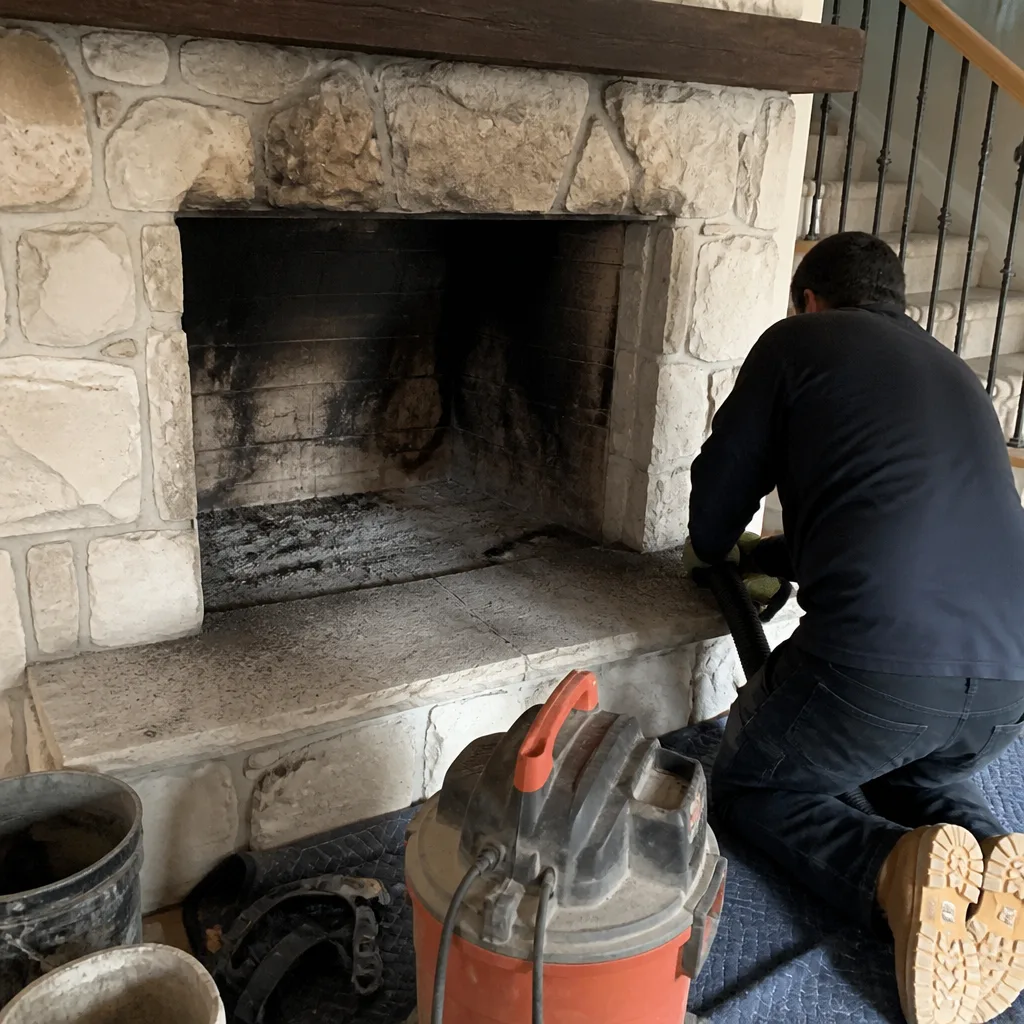
See the difference
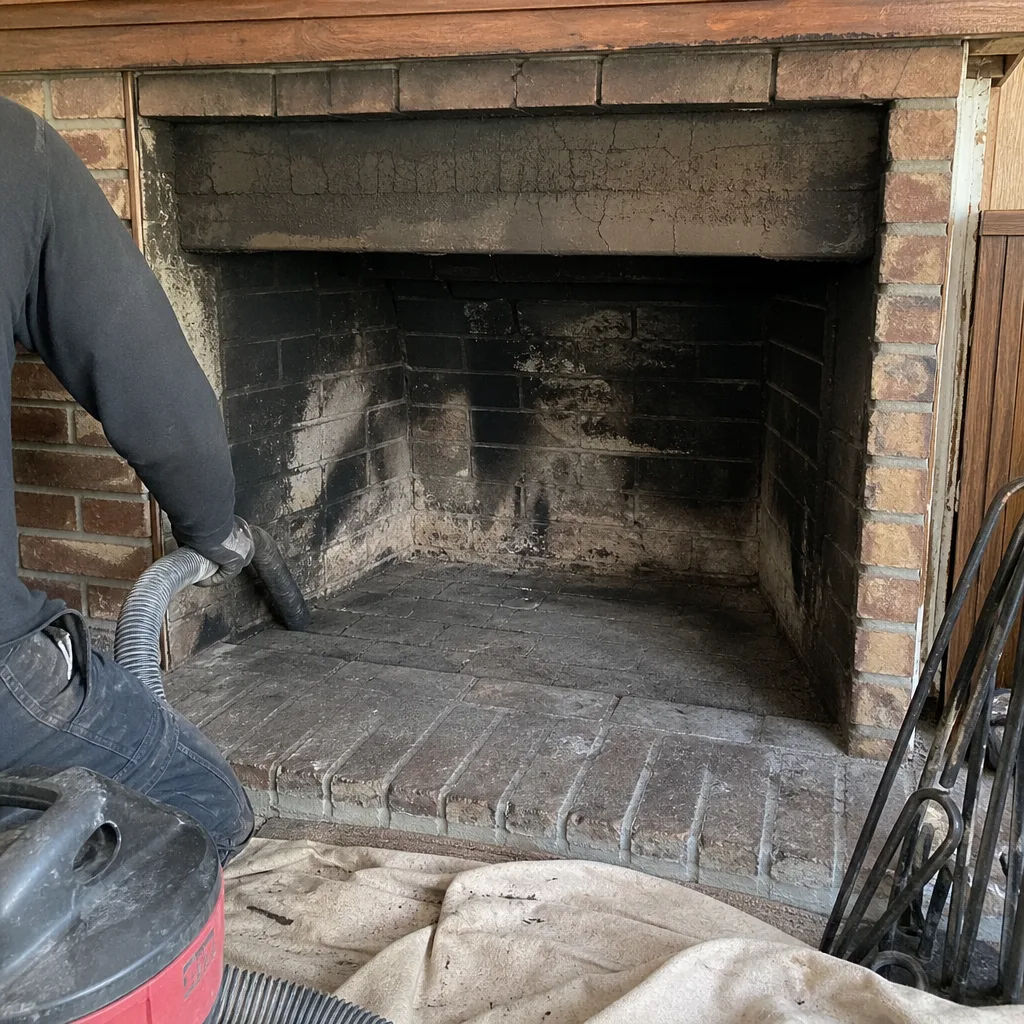 Before
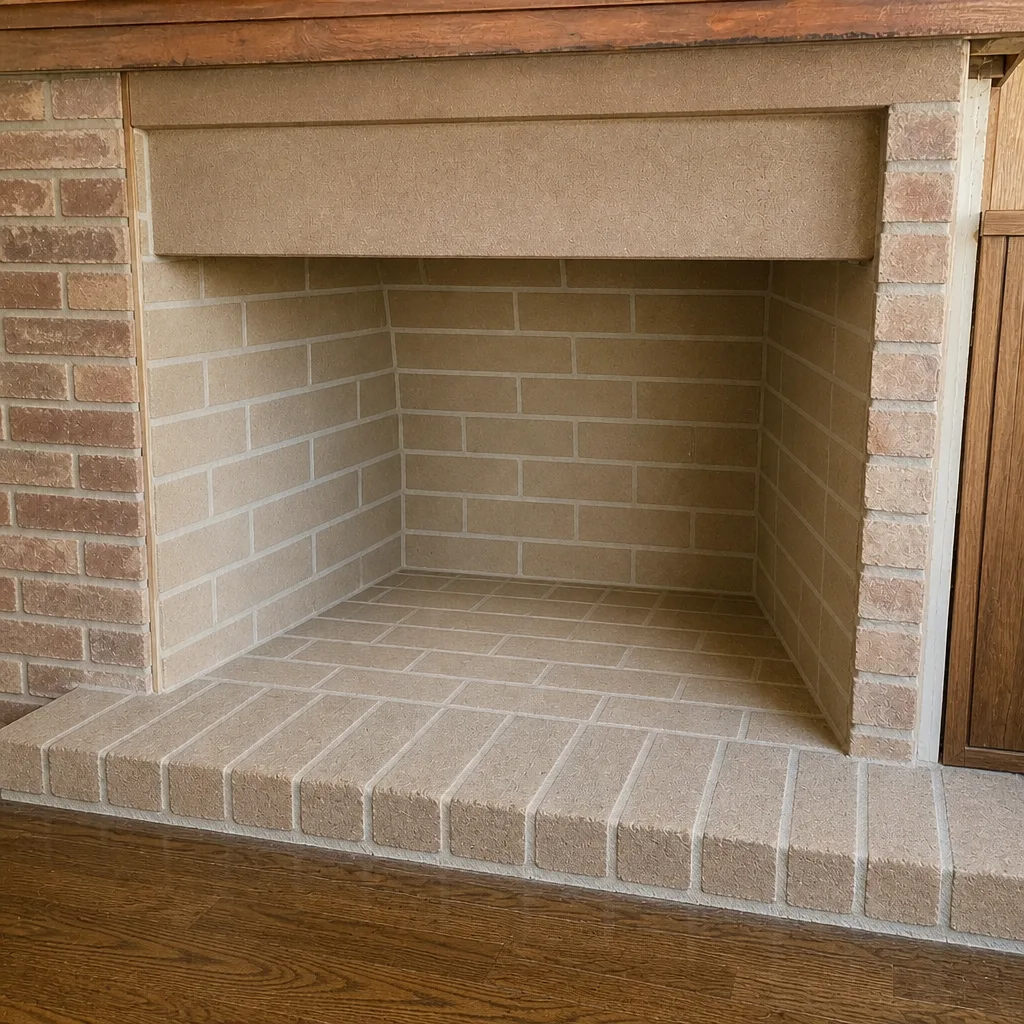 After
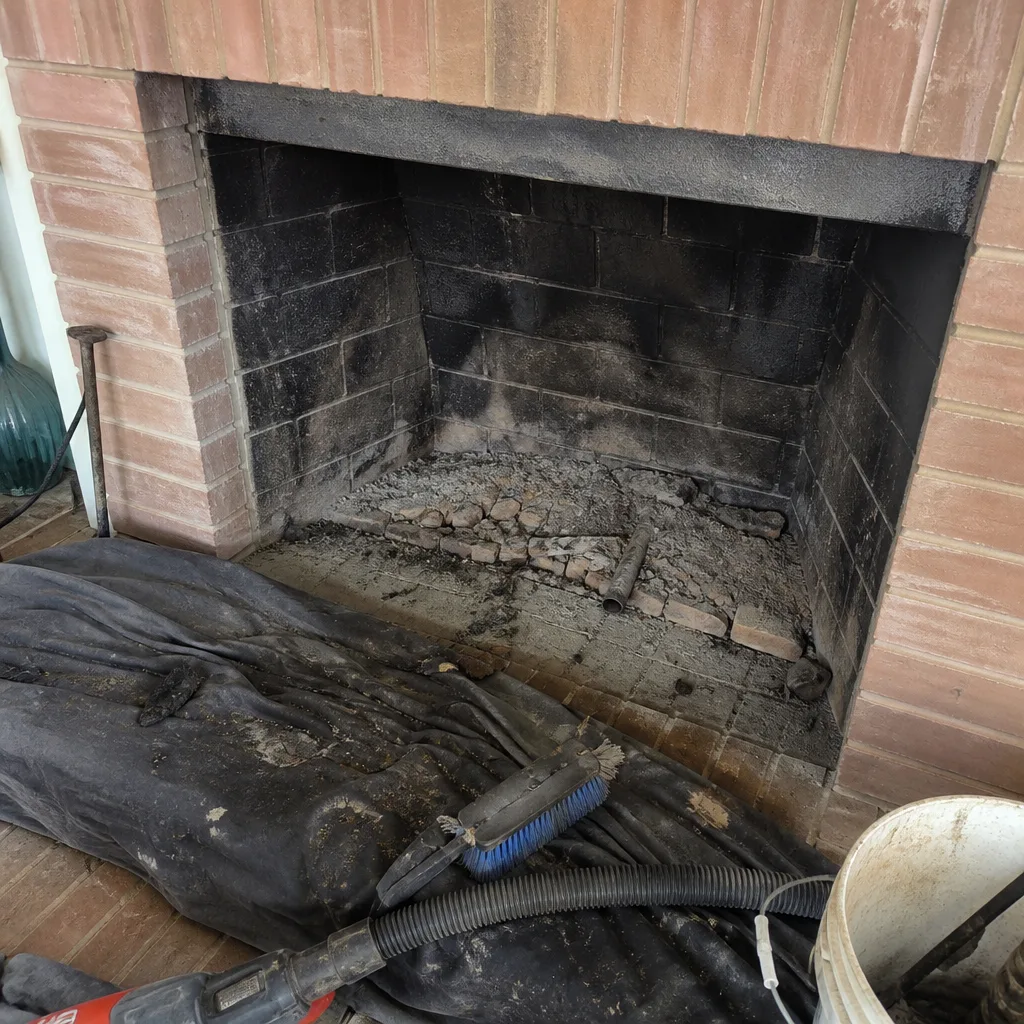 Before
 After
 Before
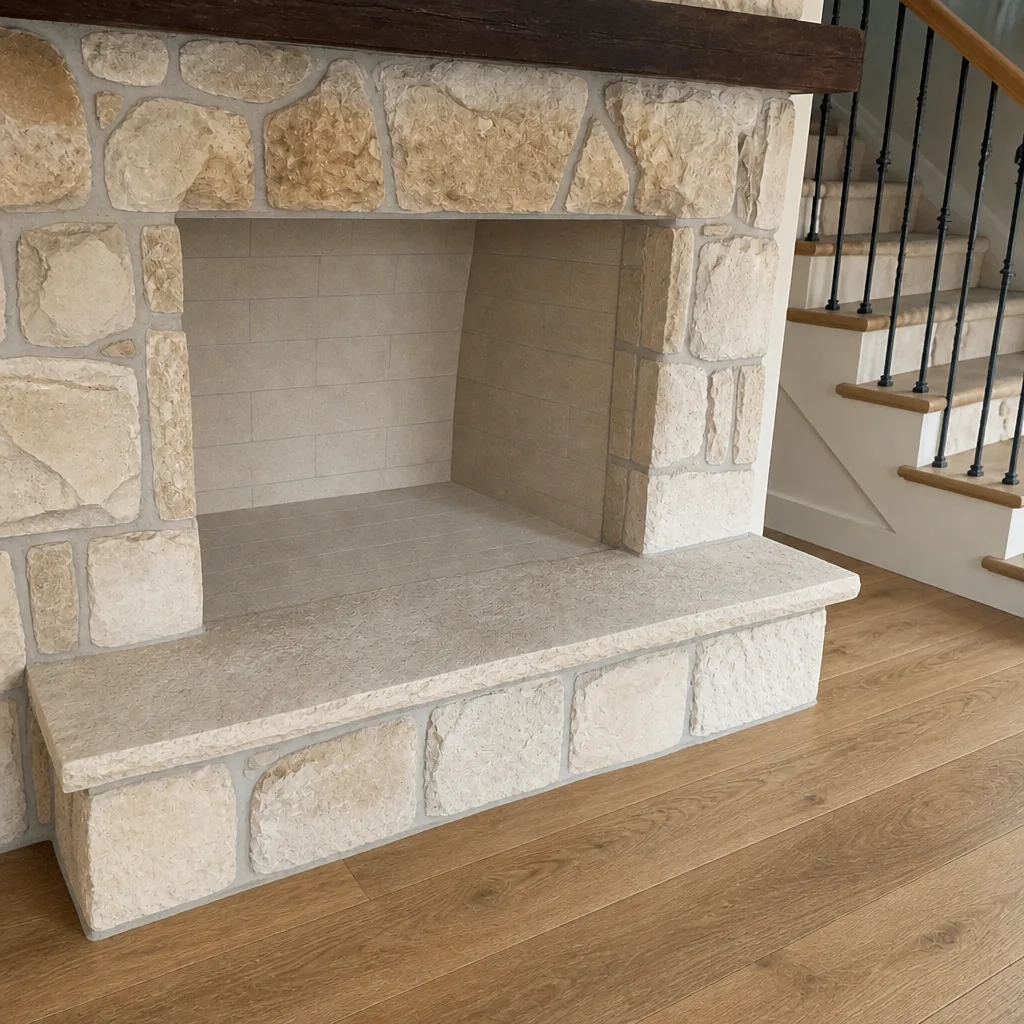 After