
Last updated November 5, 2026
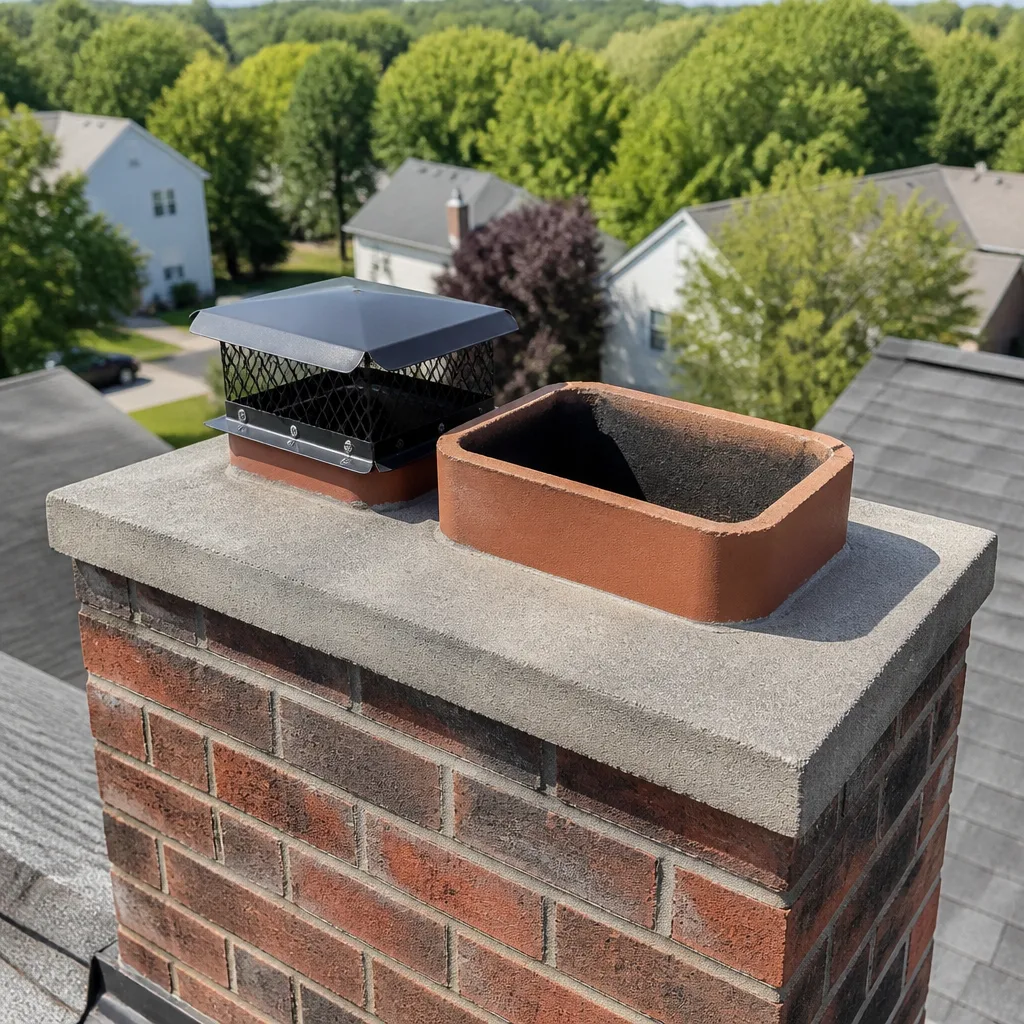 Sweep & inspection
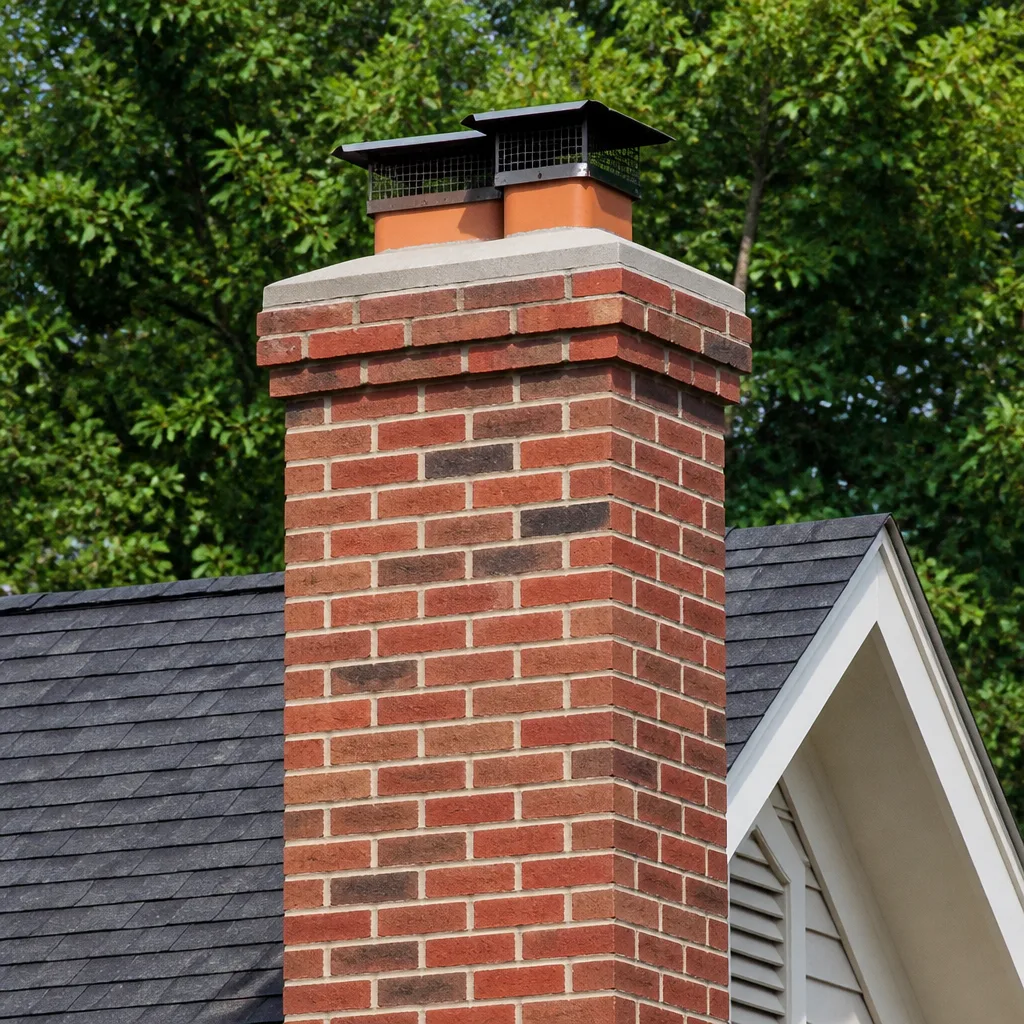 Caps & crowns
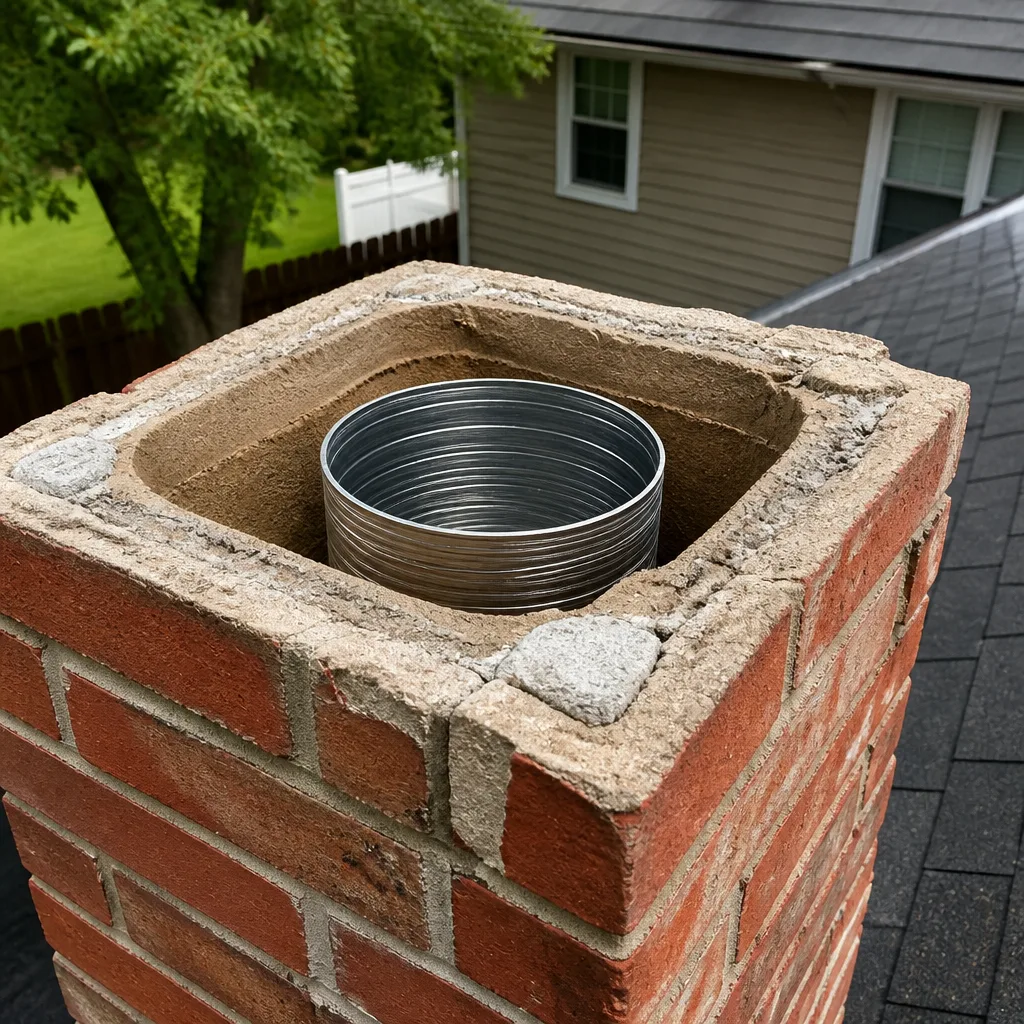 Flue relining
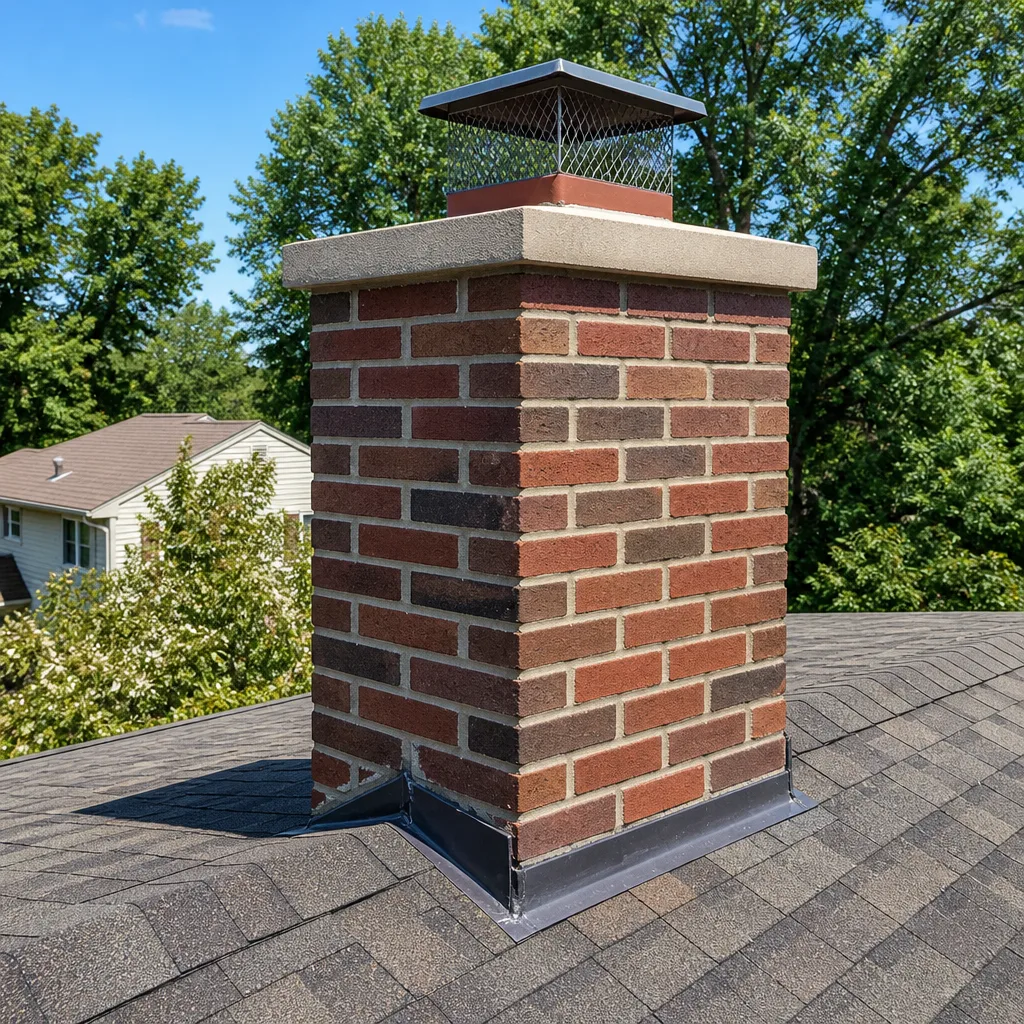 Masonry repair
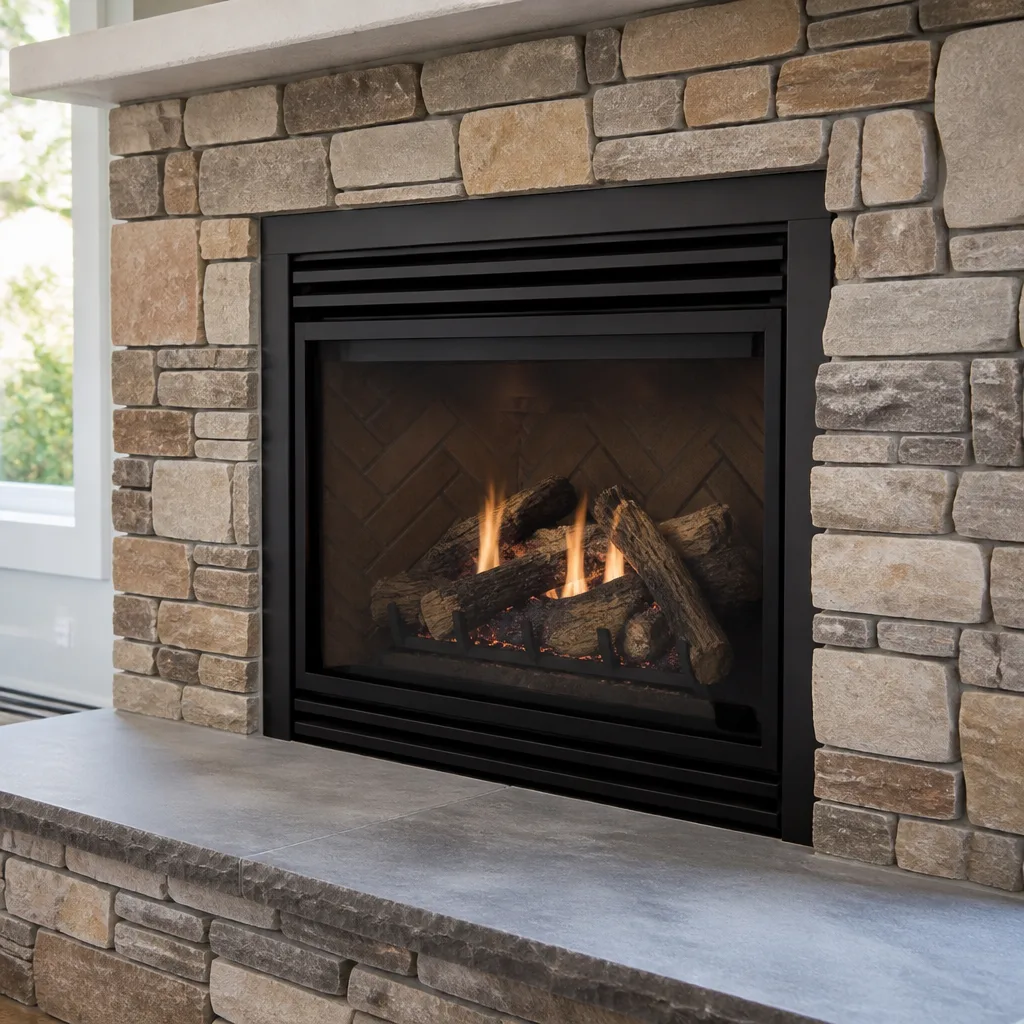 Gas fireplace service
Level 1 sweep and inspection to the NFPA 211 annual standard - flue, crown, cap, and flashing checked and photographed
Chimney sweep logs do not sweep chimneys. They loosen some creosote - which then falls where a brush and vacuum still have to collect it.
The Complete Guide to Chimney Cleaning in Laguna Niguel
Most Laguna Niguel homeowners use their fireplace fewer than 10 times a year. That sounds like good news for the chimney, but the opposite is true. Infrequent fires in a mild climate create exactly the conditions where creosote hardens into a stubborn, glaze-like layer that a quick brush can’t remove, and where moisture sits long enough to quietly damage masonry. This guide explains what actually happens inside a chimney that gets used only on cool winter evenings, what a complete cleaning should cover, and what to know before you hire anyone to do the work.
Quick Answer
Chimney cleaning in Laguna Niguel is an annual or every-other-year service that removes creosote, soot, and debris from the flue, smoke chamber, damper, and firebox so the fireplace vents safely and efficiently. A typical professional cleaning takes 45 to 90 minutes and costs roughly $200 to $350 in the Laguna Niguel area. Pairing it with dryer vent cleaning is the most practical way to address both major venting fire risks in a home in one visit.
Styles & brands we work with
- Sweep & inspection
- Caps & crowns
- Flue relining
- Masonry repair
- Gas fireplace service
Table of Contents
- What a Chimney Cleaning Actually Covers
- Why Mild-Climate Fireplaces Get Dirtier Than You Expect
- The Five Components of a Complete Chimney System
- Inspection Levels Explained: What Laguna Niguel Homes Need
- Moisture and Masonry: The Quiet Damage in Laguna Niguel
- Dryer Vents and Chimneys: The Venting Ecosystem
- What a Cleaning Should Not Cost
- How to Prepare for a Chimney Cleaning Appointment
What a Chimney Cleaning Actually Covers
A real chimney cleaning is a system service, not a fireplace wipe-down. When we arrive at a Laguna Niguel home, the job starts with floor protection and a vacuum designed for fine dust, not a shop vac that blows particles back into the living room. The technician then brushes the flue from top or bottom, whichever the roof access and the fireplace design call for, and removes the creosote that has bonded to the liner walls.
Here’s what the work includes, in order:
- Firebox cleaning – removing ash, soot, and any debris from the area where the fire actually burns.
- Damper inspection and cleaning – making sure it opens, closes, and seals properly, and clearing soot that prevents a tight fit.
- Smoke chamber brushing – the sloped, often overlooked area above the damper where creosote accumulates heavily.
- Flue brushing – the vertical passage that carries smoke out, scrubbed with brushes sized to the liner diameter.
- Cap and crown check – verifying the rain cap is intact and the crown isn’t cracked or letting water in.
- Visual inspection – flagging any cracked tiles, gaps in mortar joints, or liner deterioration found during the cleaning.
What a surface-level “cleaning” misses is the smoke chamber and flue. Those are the parts that actually carry smoke and the parts where a chimney fire would start. A service that only vacuums the firebox hasn’t done a chimney cleaning.
Why Mild-Climate Fireplaces Get Dirtier Than You Expect
National chimney guides are written for cold climates where fireplaces run all winter. Laguna Niguel doesn’t work that way. A fireplace here might get lit a handful of times between December and February, then sit unused for nine months. That usage pattern creates two specific problems.
First, fires that are infrequent tend to burn cooler. A homeowner lights a fire on a 55-degree evening for atmosphere, not full-heat output. Cooler fires produce more incomplete combustion, and incomplete combustion produces creosote. That creosote doesn’t get burned off by the next hot fire because the next fire might be three weeks away or later. It sits, cools, and hardens. Over a season or two, it becomes stage-2 creosote: a dark, tarry, crusty layer that no basic sweeping brush handles well. National guides assume heavy use where each fire burns off the last one’s residue. Laguna Niguel’s light use means creosote accumulates in stages.
Second, the long idle months let moisture and humidity in Southern California air work on the masonry. A cold-climate chimney that runs daily dries itself out from the inside. A mild-climate chimney that runs 10 times a year never gets that drying cycle. Water vapor condenses inside the flue, mixes with soot to create acidic compounds, and slowly degrades mortar joints and liner surfaces. The damage isn’t dramatic. It’s gradual, and by the time it’s visible from the outside, the repair is more involved than a cleaning.
The Five Components of a Complete Chimney System
A chimney is not just a tube. It’s a five-part system, and a problem in any one part affects how the whole thing performs. Here are the components and what a cleaning or inspection should address for each.
1. Firebox
The firebox is the chamber where the fire burns. It’s lined with firebrick or refractory panels. The cleaning removes ash and checks for cracked panels, deteriorated mortar, and gaps where heat could reach combustible framing. Cracked firebrick is not a cosmetic issue; it’s a fire-safety issue.
2. Liner
The liner is the vertical passage inside the chimney that contains the smoke and heat. Older Laguna Niguel homes may have clay tile liners, which crack with age and thermal stress. Newer installations often use professional-grade liner systems like DuraFlex, a flexible stainless steel product specified by certified sweeps for its durability and fit. The liner is what the sweep brushes during cleaning, and it’s the surface where creosote accumulates.
3. Damper
The damper is the metal plate just above the firebox. It should open fully when the fireplace is in use and close tightly when it isn’t. A damper that won’t fully close lets conditioned air escape the home year-round and lets moisture and bugs drop into the firebox during idle months. Soot buildup on the seating surface is a common cause of a poor seal, which is why the damper gets cleaned as part of a proper sweep.
4. Smoke Chamber
The smoke chamber sits above the damper and funnels smoke into the flue. It’s the most commonly missed area in low-cost cleanings. Its corbeled, stepped construction gives creosote plenty of ledges to collect on, and the deposits there feed chimney fires that start in the flue above. A real cleaning brushes this chamber, it doesn’t just look at it.
5. Cap and Crown
The crown is the masonry top that sheds water, and the cap is the metal screen assembly that keeps rain, animals, and debris out of the flue. In Laguna Niguel, where summers are dry and winters bring occasional soaking rains, a cracked crown lets water into the chimney structure during the wet months, which then sits there all summer. A missing or damaged cap also gives birds and rodents access. The cleaning appointment is the time to repair or replace these, since the technician is already on the roof.
A company that treats the chimney as five connected components, not one vertical pipe, will catch problems early. That’s how the costs stay at cleaning prices instead of repair prices.
Inspection Levels Explained: What Laguna Niguel Homes Need
The chimney industry recognizes three levels of inspection, and the difference matters when you’re comparing quotes.
- Level 1 – A visual check of the accessible parts of the chimney, done as part of a routine chimney sweep when nothing has changed about the fireplace or venting system. This is what most annual cleanings include by default.
- Level 2 – A more thorough inspection, usually with a camera, that checks hidden areas. This is required when the home is being sold, after a chimney fire, after an earthquake, or when a new appliance or liner is installed. Laguna Niguel’s earthquake exposure makes this the level a prudent buyer asks for on an older home.
- Level 3 – An invasive inspection that requires opening walls or masonry. It’s only used when a Level 2 finds something that needs deeper investigation, such as suspected hidden damage inside a chase.
For most Laguna Niguel homeowners who use the fireplace a handful of times a year, a Level 1 with each cleaning is enough. If you’ve owned the home for several years and have never had the chimney inspected, or you’re buying a house with an existing fireplace, a Level 2 is the right call. It’s the difference between knowing the liner is fine and assuming it is.
We include a camera inspection with the Level 2 service, and we show you the footage. If the liner is cracked or the masonry is deteriorating, you’ll see it with your own eyes before anyone asks you to spend money on a repair. That’s how venting work should be presented: evidence first, recommendation second.
Moisture and Masonry: The Quiet Damage in Laguna Niguel
The biggest threat to a Laguna Niguel chimney is not fire. It’s water. The region’s dry summers and occasional heavy rain periods create a pattern where moisture enters cracks during wet months and then stays trapped inside the masonry for long stretches. That trapped moisture weakens mortar joints, and over time, bricks begin to spall – meaning their faces flake off and fall away.
This damage is invisible from the ground for years. By the time a homeowner notices spalled brick or a crumbling crown from the yard, the chimney has needed attention for a while. The rain cap and crown are the first line of defense. If either is damaged, every rain event adds water to the chimney’s interior.
Inside the flue, moisture combined with creosote creates an acidic residue that attacks clay tile and mortar. That’s why a chimney that looks fine from the outside can have significant internal deterioration. The camera inspection is what reveals it.
When we find flue tile deterioration, we discuss the repair options in plain terms. For many homes, HeatShield is the right fix: a code-compliant, UL-listed resurfacing product that restores the flue’s integrity without tearing the chimney apart for a full liner replacement. It’s a product engineered for this exact condition, and it comes from the same professional supply lines we use for all our repair work.
Dryer Vents and Chimneys: The Venting Ecosystem
A home’s venting systems don’t operate in isolation. The chimney, the dryer vent, and the bathroom exhaust fans all move air out of the house, and they all interact with each other through air pressure. When one vent is clogged, it changes how the others perform.
A blocked dryer vent forces the dryer to work harder and keeps moisture inside the laundry area. That moisture changes the indoor humidity, which affects how the fireplace draws. Meanwhile, a dirty chimney that doesn’t draw well can push smoke back into the living space when the house is tightly sealed and the dryer is running. In a modern, energy-efficient Laguna Niguel home, these interactions matter more than they did in older, draftier construction.
There’s also the fire-risk equation. The two most common home-heating-system fire risks are chimney fires from creosote and dryer fires from lint. They’re the same failure mode: an exhaust pipe carrying combustible material that ignites when it builds up too thick. A homeowner who schedules chimney cleaning every year but hasn’t had the dryer vent checked in five years has addressed half the risk. That’s why we handle both. Getting the chimney swept and the dryer vent cleaned in one appointment is more efficient than managing two separate vendors, and it gives the whole venting system a clean baseline at the same time.
What a Cleaning Should Not Cost
Chimney cleaning prices in Laguna Niguel follow a straightforward pattern. A basic sweep on an open fireplace runs roughly $200 to $350, assuming the chimney is in serviceable condition and no significant creosote removal is required. The final price is set by the written estimate, which depends on the fireplace type, the severity of the buildup, and the roof access.
Here are the typical line items:
- Standard chimney sweep (fireplaces, no complications) – $200 to $350
- Level 2 camera inspection (if not included) – adds $100 to $200
- Heavy creosote removal (stage-2 or stage-3 glaze) – adds $100 to $250
- Chimney cap replacement – $150 to $400, depending on the flue size and material
- Crown repair or resealing – $300 to $800, depending on the damage
- Dryer vent cleaning (same visit) – $90 to $200, depending on the duct length and access
These are typical ranges, not quotes. The point of listing them is so you recognize a number that’s out of line in either direction. A $79 chimney cleaning is low enough to suggest the crew won’t brush the smoke chamber or inspect the liner. A $600 standard sweep on a clean, accessible fireplace is high enough to question. What’s reasonable is a company that explains what the job includes, shows you what they found, and sets the price in writing before the work starts.
When it comes to repair recommendations, here’s what we stand by: no liner replacement, no HeatShield resurfacing, no masonry rebuild is recommended without camera footage you can watch. If a company tells you the chimney needs thousands of dollars in work and can’t show you why, get a second opinion. The evidence exists in the flue, and a camera will show it or it won’t.
How to Prepare for a Chimney Cleaning Appointment
A little preparation makes the appointment smoother and keeps your home cleaner. Here’s what to do before the technician arrives.
- Stop using the fireplace 24 hours before – the firebox and flue need to be cool to the touch.
- Clear the area around the fireplace – move furniture, rugs, and decor back at least six feet so floor protection can be laid down.
- Clear the roof access area if possible – if there’s a locked gate or a dog in the yard, make sure the technician can reach the roof.
- Remove ash from the firebox if you’re comfortable – cold ash only, never vacuumed with a household vacuum. If you’d rather leave it, that’s fine; we’ll handle it.
- Note anything unusual you’ve observed – odd smells, smoke backing into the room, water stains on the ceiling near the chimney, nesting sounds. Tell the technician, not just the office.
- Move vehicles if the technician needs ladder access near the driveway – roof access varies by home, and a clear path saves time.
During the appointment, expect the technician to protect the floor, run a HEPA-filtered vacuum, brush the entire flue system, and then walk you through what they found. The best cleanings end with a plain-talk summary: here’s what the chimney looked like, here’s what we did, here’s what we’d watch if we were you. No fear-selling, just the facts from the camera and the brush.
Common Mistakes to Avoid
- Skipping the smoke chamber. A cleaning that skips the smoke chamber leaves the most concentrated creosote deposits in place. Ask whether the service includes it; if the answer is vague, keep looking.
- Ignoring a damper that won’t close. A damper stuck open costs you conditioned air year-round and lets moisture into the firebox every winter. It’s a simple fix when it’s addressed during a cleaning, and a larger problem when it isn’t.
- Putting off a cracked crown. In Laguna Niguel’s dry climate, a cracked crown looks harmless because water damage is slow. But every winter rain adds more moisture to the masonry. The repair is cheaper when the crack is small.
- Cleaning the chimney but not the dryer vent. The venting system is one ecosystem, and the lint-clogged dryer vent is the same fire-risk category as a creosote-coated flue. Addressing one and not the other is half a safety plan.
- Assuming low use means no cleaning needed. The fireplace that gets lit six times a year still produces creosote, and that creosote hardens because it’s never burned off by a hot follow-up fire. Low use changes the cleaning interval, not the need for it. Every other year is reasonable for very light use; every year is the safer default.
- Choosing a sweep based on price alone. A cheap sweep that brushes only the flue and vacuums the firebox is not the same service as a system cleaning. Compare what’s included, not just the number.
- Waiting for an odor problem to investigate. A musty or smoky smell means something has been happening for a while. The time to inspect the chimney is before the odor starts, not after.
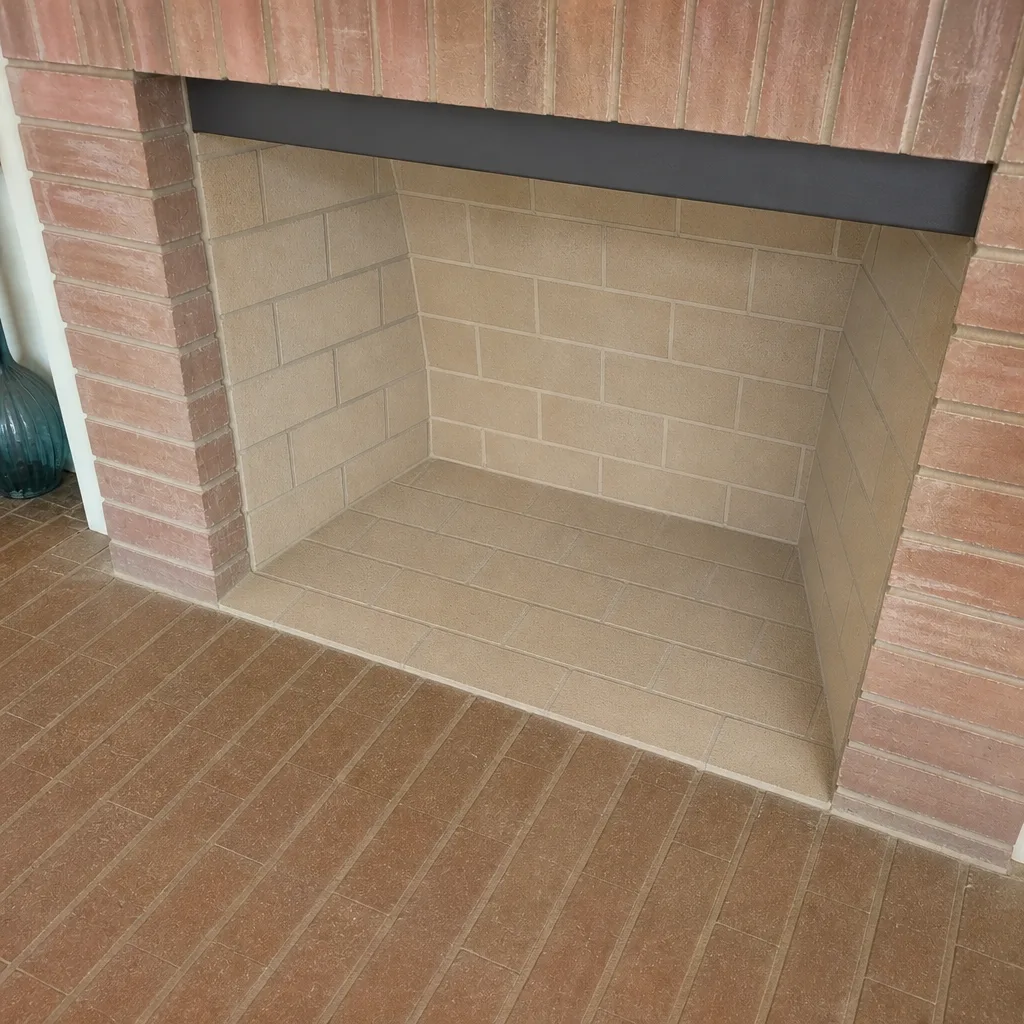
See the difference
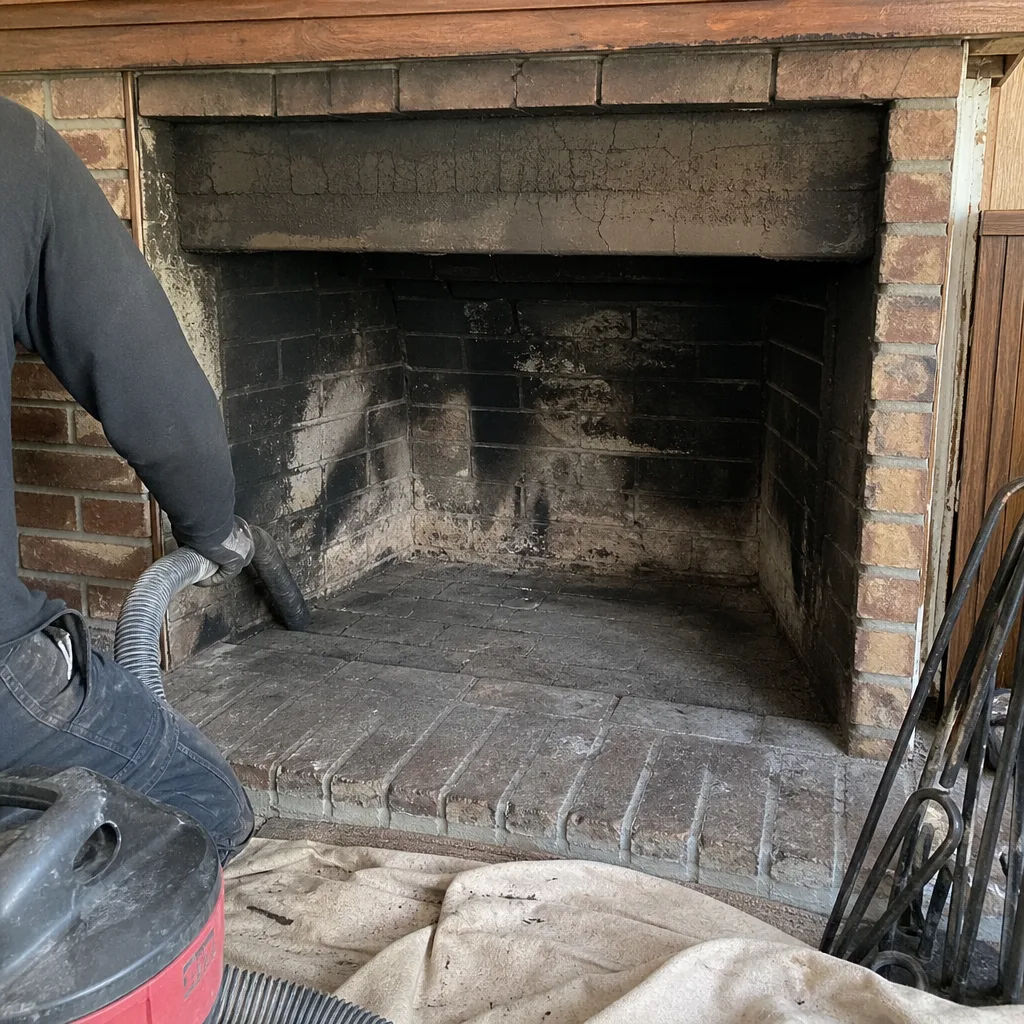 Before
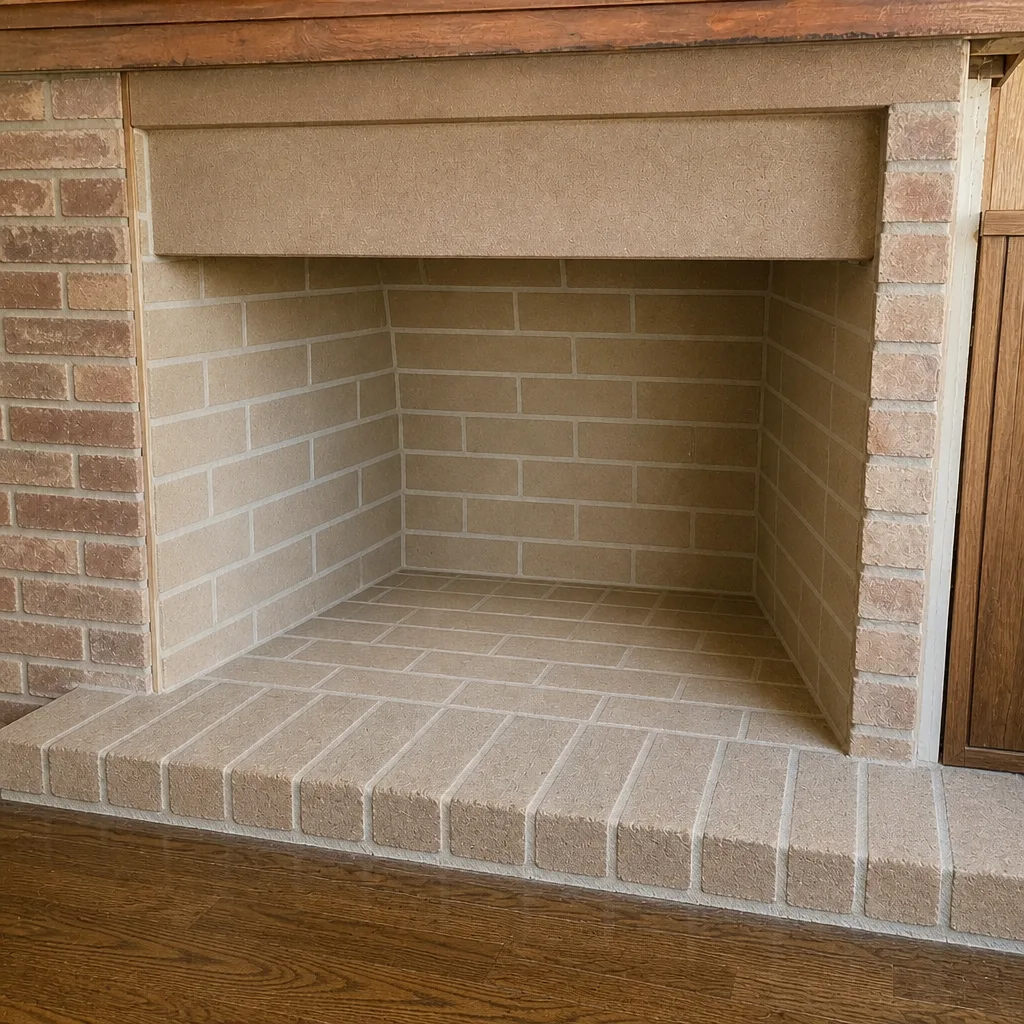 After
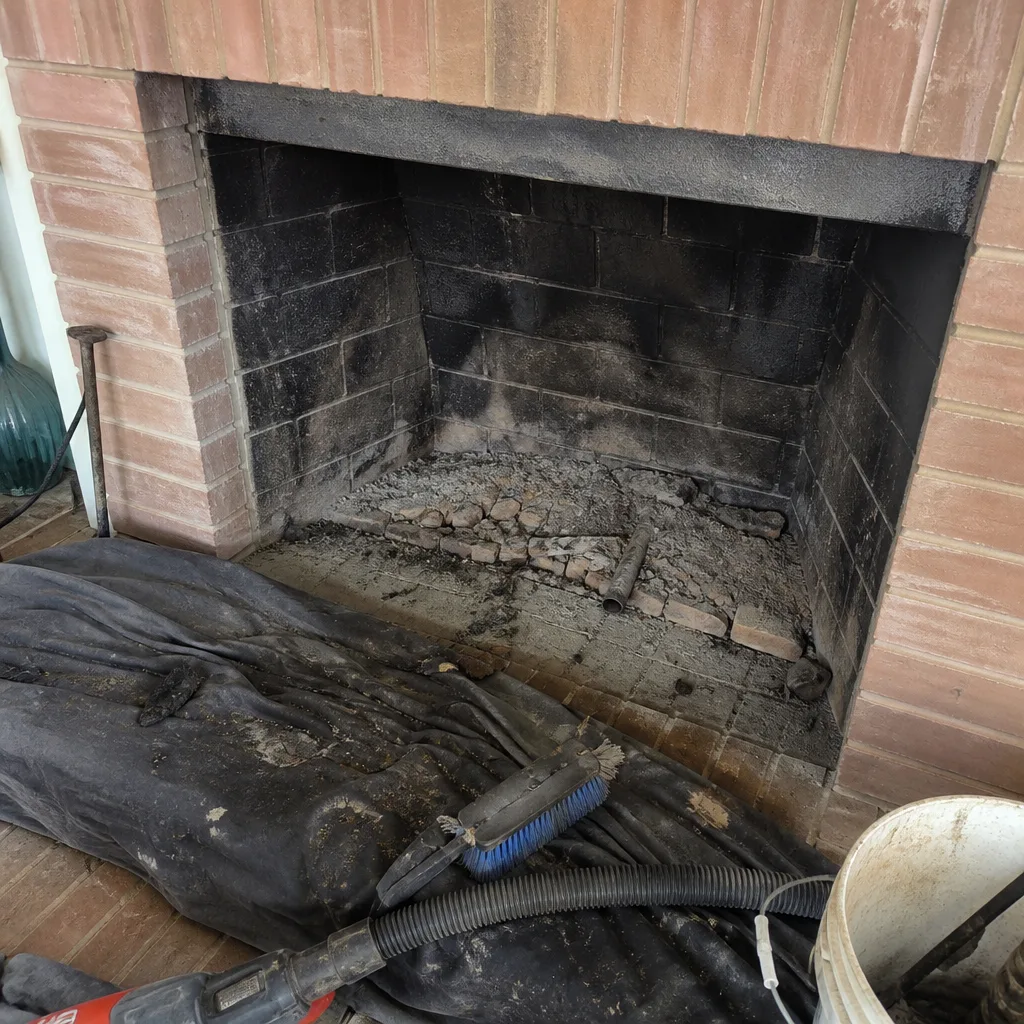 Before
 After
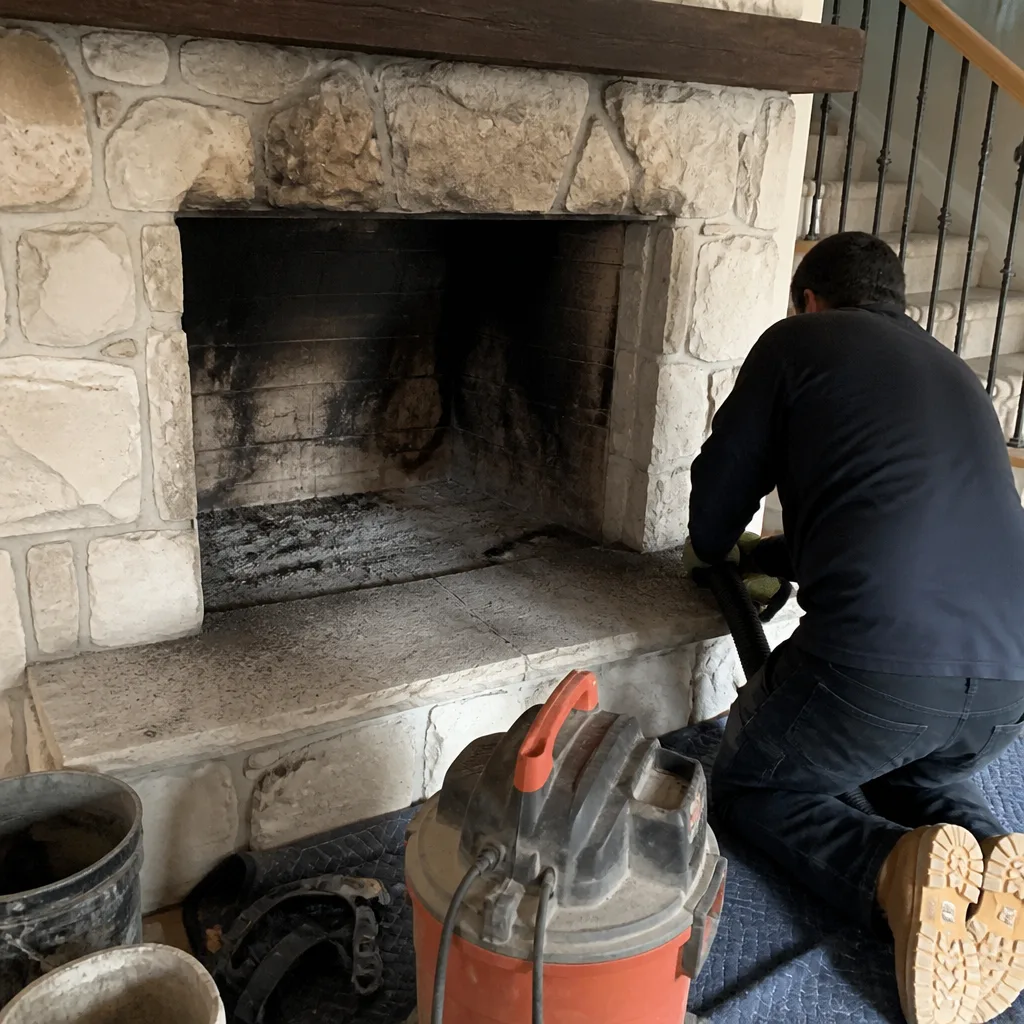 Before
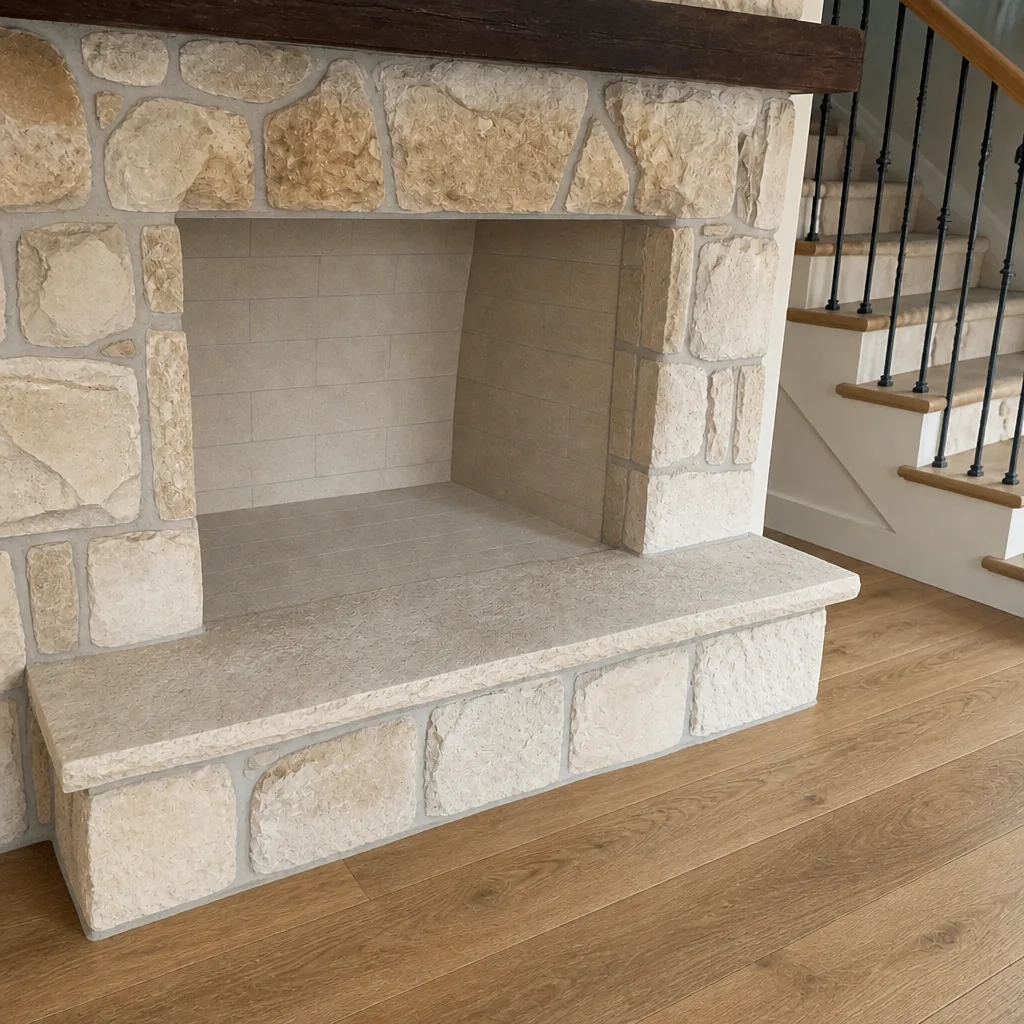 After
When to Call a Professional
Chimney cleaning is not a DIY job for a homeowner with a brush and a bucket. The risks include working on a roof with no safety equipment, sending ash and creosote dust through the home, and missing internal damage that a trained sweep with camera equipment would find. The question is not whether you can clean a chimney; it’s whether you can clean it well enough to know the liner is actually safe.
Call a professional when: the fireplace is used at all and hasn’t been cleaned in two years or more; you smell a smoky or musty odor coming from the fireplace after the fire is out; you see black, flaky or tarry buildup on the firebox walls that a basic wipe-down doesn’t remove; you’re buying a home with a fireplace and want a Level 2 inspection; or you’ve noticed water stains, spalled brick, or a damaged cap on the outside of the chimney.
Chimney Sweep Laguna Niguel offers free estimates across Laguna Niguel and the surrounding area. Call (866) 321-6650. We answer 24/7. Fast dispatch from 7am to 7pm, Sunday through Friday.
Frequently Asked Questions
Once a year is the standard if you use the fireplace regularly, even in a mild climate. Every other year is acceptable if you light fewer than 10 fires a season and the annual inspection shows no significant creosote buildup. The cleaning interval should be set by what the camera shows, not a generic calendar rule. Call (866) 321-6650 for a free estimate and we’ll help you decide based on your actual usage.
A standard chimney sweep in Laguna Niguel typically runs $200 to $350 for an open fireplace, with the final price set by the written estimate based on the fireplace type, roof access, and creosote level. Add $100 to $200 for a Level 2 camera inspection if it isn’t already included. Call (866) 321-6650 for an exact quote – estimates are free.
You need a new liner only if the existing one is cracked, deteriorated, or improperly sized, and the only honest way to make that determination is with a camera inspection. We show you the footage before recommending any liner work, whether that’s a DuraFlex stainless liner or HeatShield resurfacing. If a company recommends a liner without camera evidence, get a second opinion.
Creosote continues to accumulate and harden, increasing the risk of a chimney fire with every subsequent fire. Moisture continues to work on the masonry, which means cracks get wider and repairs get more expensive. The fireplace may also start smoking back into the room if the flue narrows enough to restrict the draft. None of these issues resolve themselves; they all compound. If you’ve skipped several years, call (866) 321-6650 for an inspection before you light the next fire.
Yes, and it’s the most efficient way to address both major venting fire risks in a home at once. We schedule chimney sweeping and dryer vent cleaning as a combined appointment, with one crew handling both systems. Call (866) 321-6650 to book both and get one written estimate.
Routine chimney sweeping and Level 1 or Level 2 inspections generally do not require a permit. Structural repairs, liner replacement, or fireplace reconstruction may trigger building department review depending on the scope, and we’ll tell you what’s needed before any repair work starts. Ask your city’s building department if you’re unsure about a specific project.
The Bottom Line
Chimney cleaning in Laguna Niguel is a system service that addresses five connected components: firebox, liner, damper, smoke chamber, and cap/crown. Light fireplace use doesn’t eliminate the need for cleaning – it changes how creosote forms and makes moisture damage more likely over time. The most practical schedule is annual for regular use, every other year for very light use, and a Level 2 inspection for any home purchase. The best companies show you camera evidence before recommending repairs, clean both the chimney and dryer vent, and use professional-grade materials like DuraFlex and HeatShield when repairs are needed. If your fireplace hasn’t been inspected recently, the next step is a call to (866) 321-6650. We answer 24/7. Fast dispatch from 7am to 7pm, Sunday through Friday.
Written by the team at Chimney Sweep Laguna Niguel, serving Laguna Niguel since 2014.